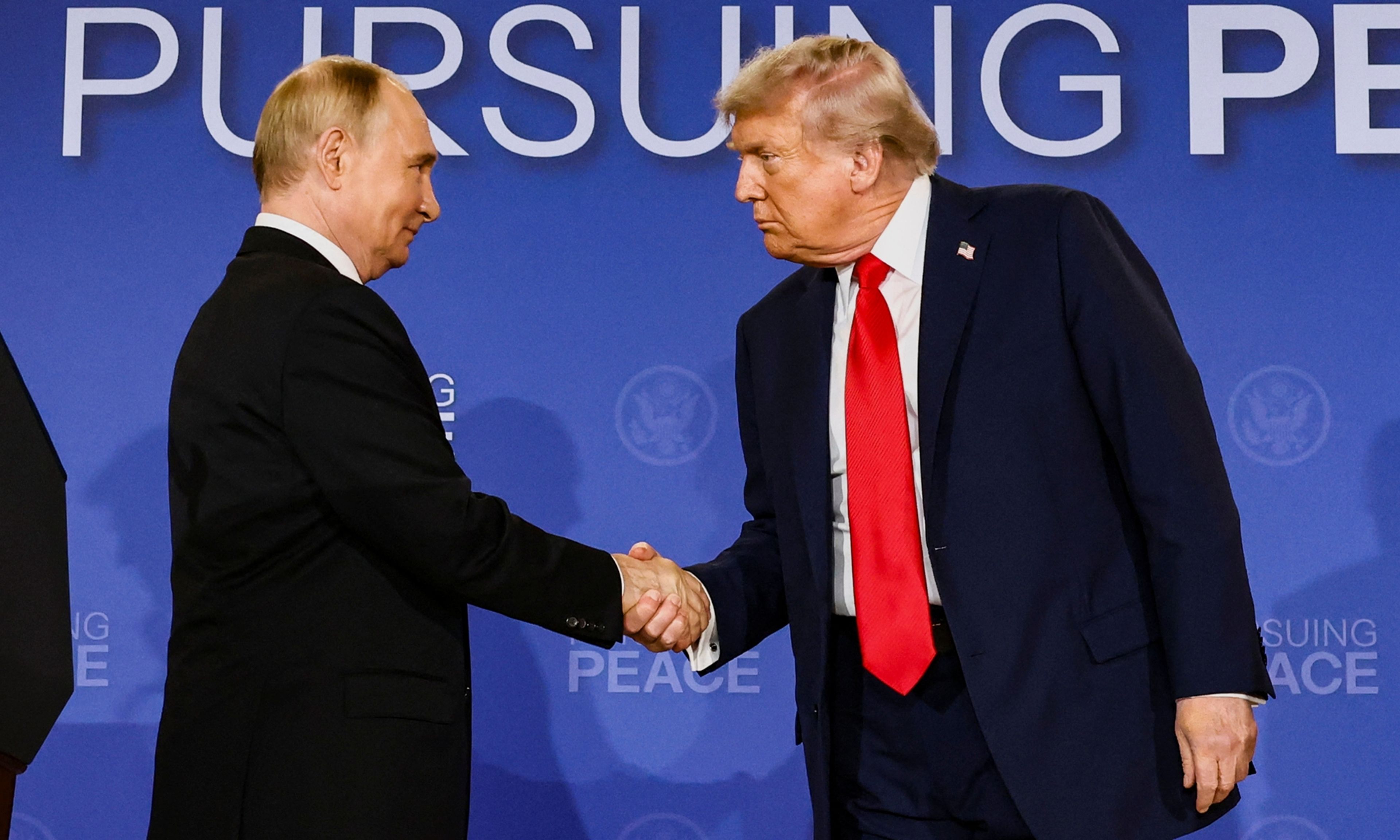
It has been about six weeks since U.S. Special Envoy to the Middle East Steve Witkoff championed the pro-Russia 28-point plan to end Russia’s war of aggression against Ukraine. The document was a scandal. It was a scandal in how far it went to represent Russian claims, how it embraced Russian nonsense about the cause of the war, and in its inclusion of provisions that have nothing to do with Russia’s war against Ukraine and would help Russia at the expense of American interests (i.e., extending the New START Treaty). Russian negotiator Kirill Dmitriev seemed to mock those who rightly found the approach hard to stomach by posting a video of him wake surfing in Miami, all while Russians were targeting civilian Ukrainians who were trying to survive the winter cold after the Russians bombed the power grid.
But after the last few weeks of successful diplomacy among the Europeans, and a whirlwind of Trump-ordered daring and successful American military operations, led by the capture of Nicolás Maduro in Venezuela, something has shifted. According to Senator Lindsey Graham, who has been traveling with the president, President Trump has now greenlit punishing secondary sanctions on Russia. This is excellent news and portends the possibility of — finally — a far more effective U.S. approach toward Russia. This should be the year the United States turns the screws on the Russian economy and embraces a plan to bolster Ukraine’s military strength and operational latitude to maximize its military effectiveness against Russia and to adapt the NATO Alliance to restore strategic stability with Russia.





Comments