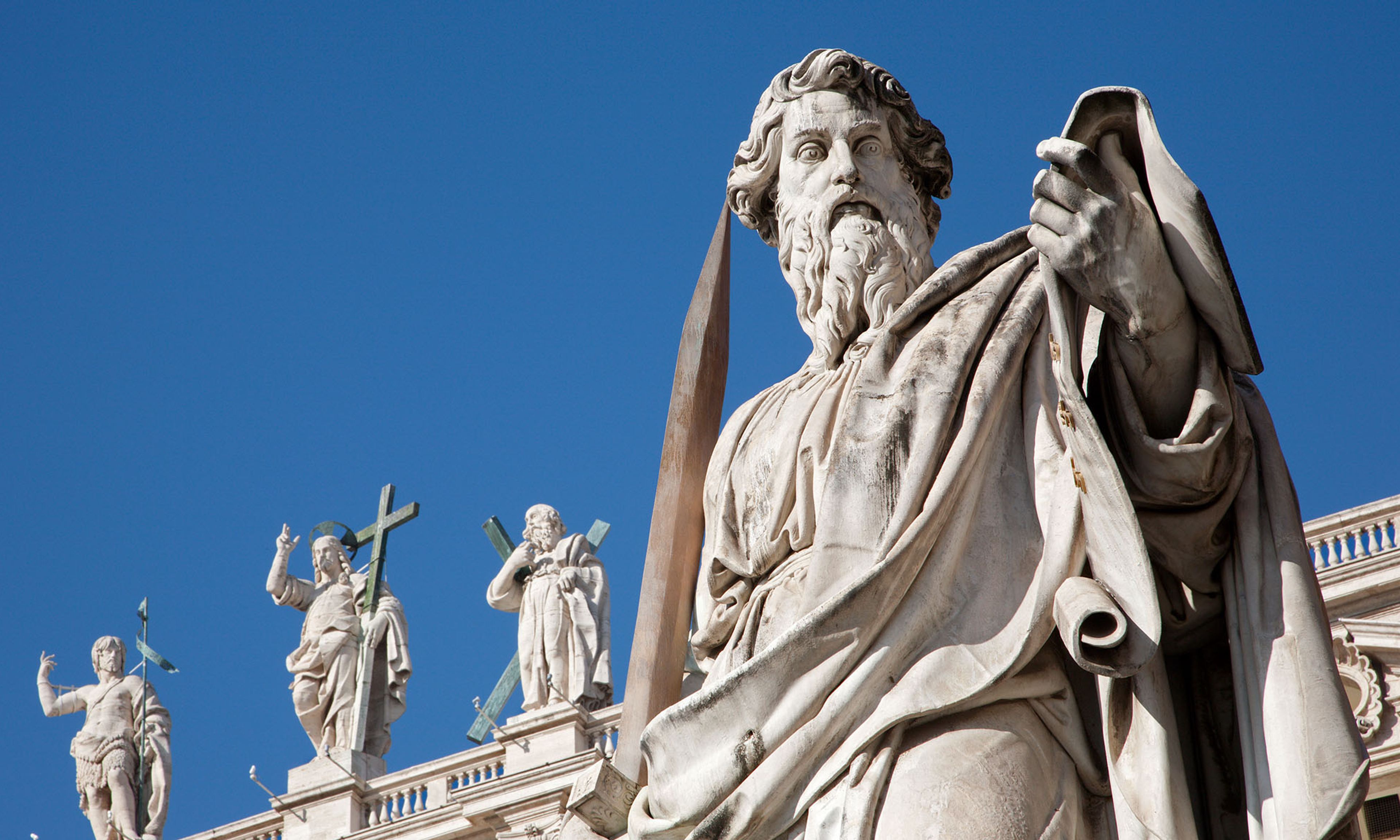
The Easter season is an apt time to revisit the Acts of the Apostles, the New Testament chronicle of the early actions of Jesus’s followers after His resurrection. A striking passage from Acts finds the Apostle Paul — once a persecutor of Christ’s followers, now their fervent advocate — in Athens, the wellspring of classical antiquity. Paul is brought to preach in the Areopagus, for centuries the center of civic life in the city. He describes God by quoting a Greek poet — “in him we live and move and have our being” — and professes the truth of the Resurrection. For this, he is mocked by some, believed by others, with still more left wanting further explanation.
Much has changed since then. A small band of put-upon Christians outlasted the empire in which they emerged — and many other empires besides. Yet in the West today, Christians can, in some ways, find much to relate to in Paul’s circumstances. Over the past few decades, Christianity has both retreated from the public square and from mass culture and been pushed from them. Its once-venerable pillars in this country have atrophied. Catholics continue to disaffiliate, and many Protestant denominations can barely be distinguished from unbelief. “The crisis of the Western world exists to the degree in which it is indifferent to God,” Whittaker Chambers, an early editor at National Review, wrote in Witness in 1952. William F. Buckley Jr. believed that Chambers was susceptible to “Spenglerian gloom.” But, on that score, things since then have undoubtedly gotten worse in the West.





Comments