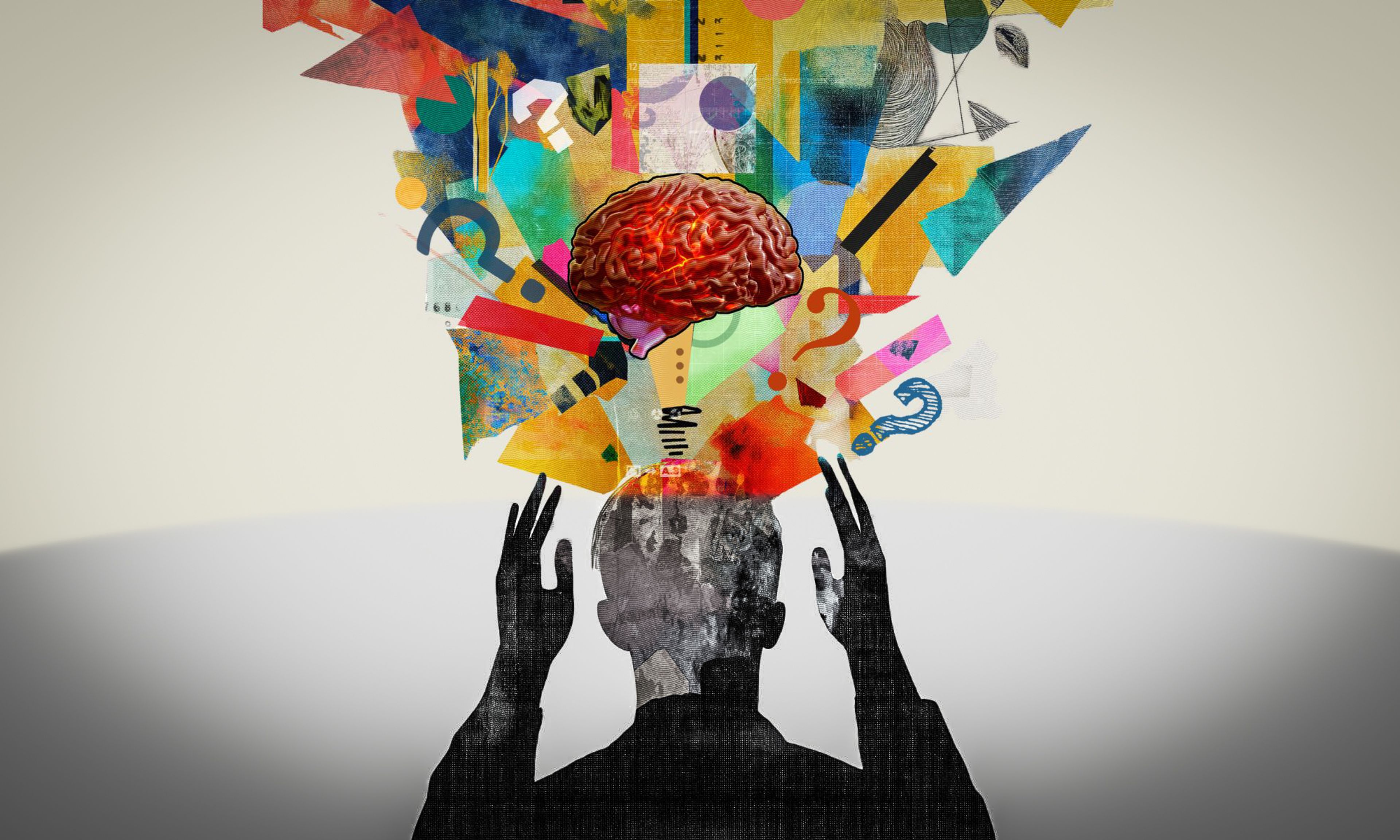
Everybody is panicking about AI right now, even as I’m left with uncertainty on whether this is an organic boomlet or driven by a handful of AI investors attempting to boost their own products and manipulate markets. One way or another, the think pieces are breaking the dam, spilling forth from all sides: Ross Douthat, Nate Silver, The Atlantic, a superfluity of Substackers — America’s Big Brains are currently asking hard questions about what the future of the American economy will look like in an AI-driven world, and only some of these have been written with the assistance of AI themselves. (That’s why I love the purely canine ability of the New York Post to catch the scent of the zeitgeist and chase after it with a wacky New York story: The latest innovation in Brooklyn nightlife is apparently a bar where you can bring your AI boyfriend or girlfriend.)
So it’s time to offer my own thoughts. Here at National Review, of course, we have a diversity of views. Phil Klein took a serious look at one potential “worst-case scenario” of AI: huge job losses in the white-collar sector as AI takes over entry-level jobs. What sort of political shift might follow? Meanwhile Noah Rothman argues in the opposition, returning to that same question I haven’t been able to suppress, either: Are we just getting spun by self-interested investor hype?


Comments