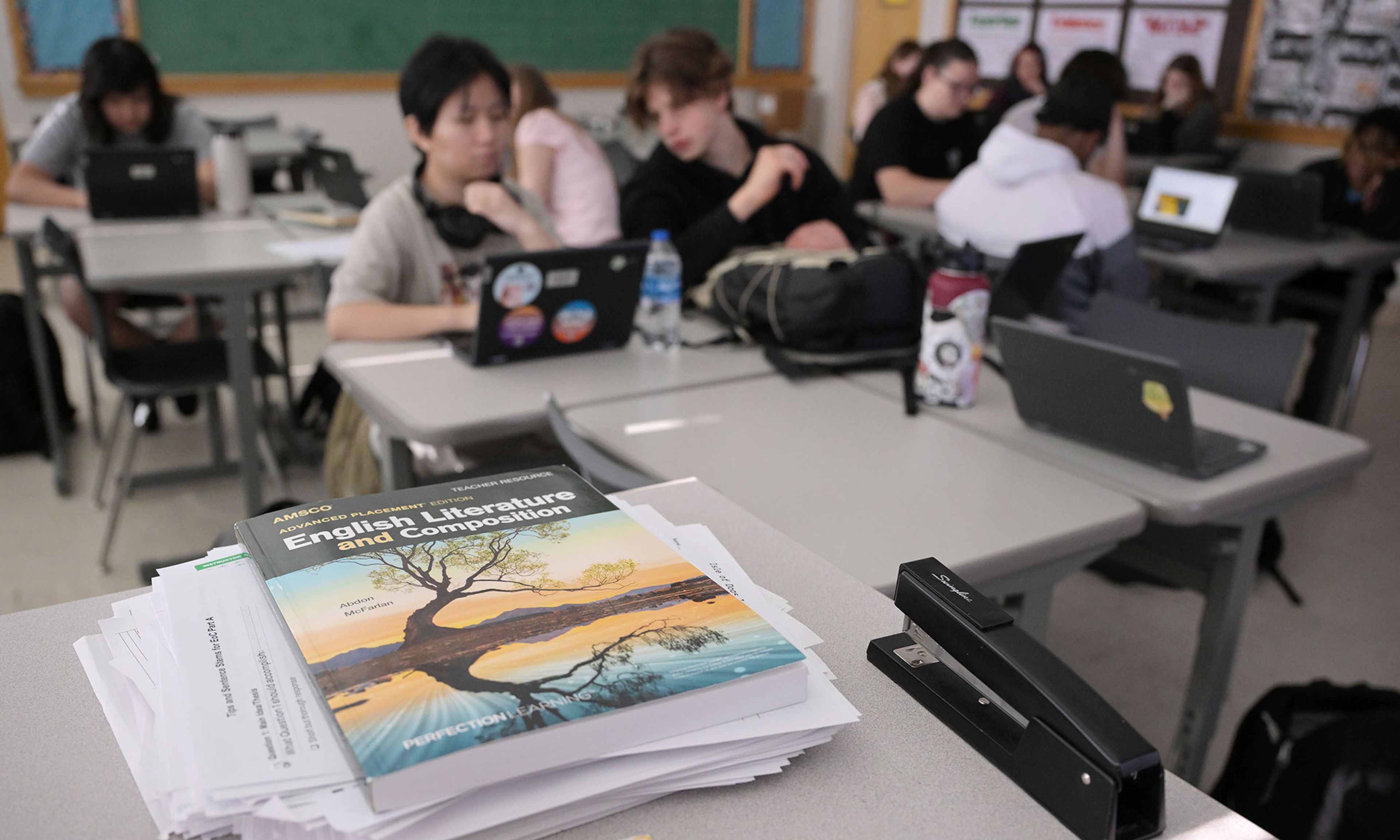
We know that childhood, adolescence, and early adulthood are pivotal times for human development. It should go without saying that, when it comes to education, we need to get the basics right and, maybe even more importantly, avoid getting big things wrong. That’s a daunting charge, but we’re not flying blind. Humans have literally thousands of years of experience in teaching and learning, and brain science has made astonishing gains in recent decades. We know a great deal about what works and what doesn’t. If ever there’s a place for the tried and true — and a place needing protection from the risky — it’s the classroom.
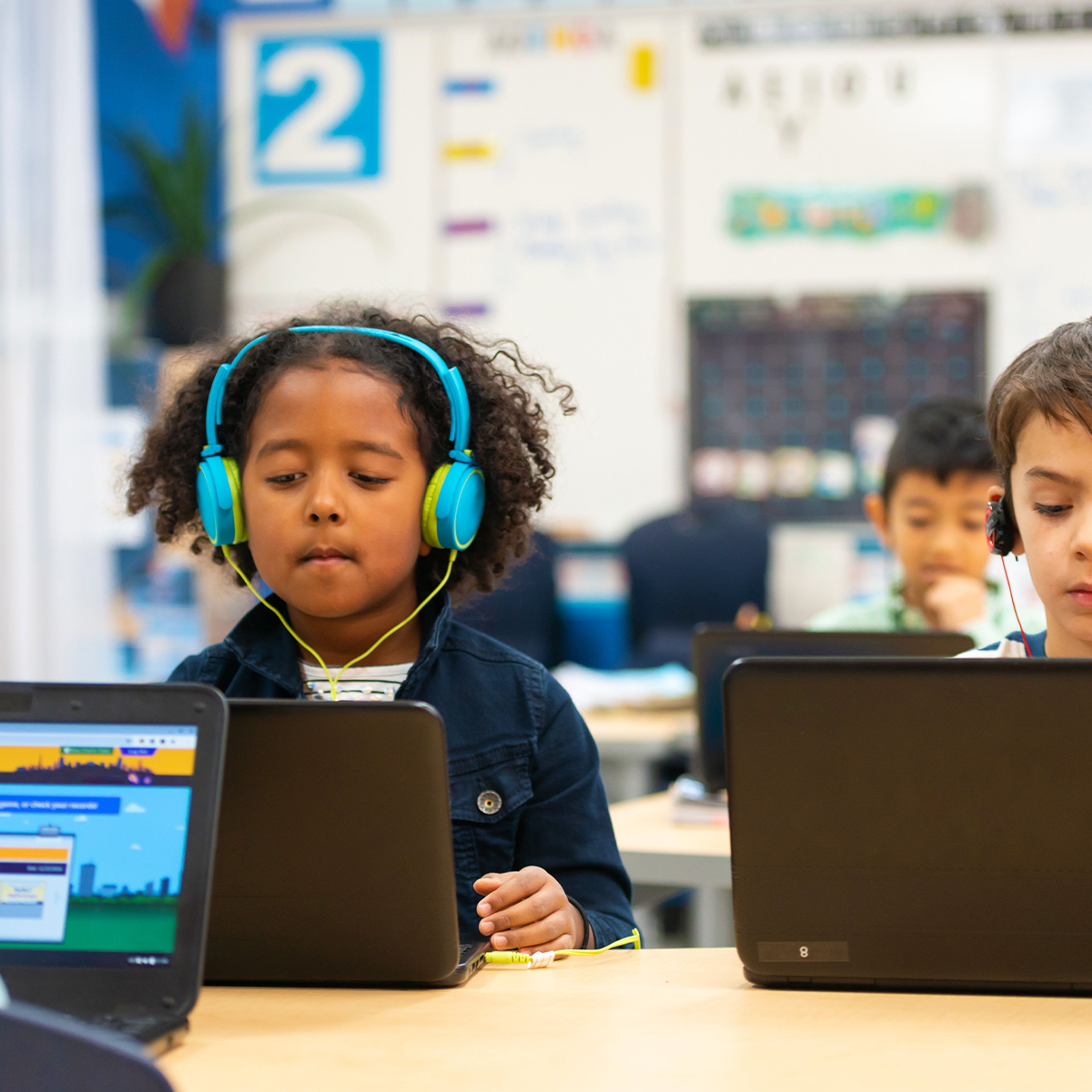
But for whatever reason, we too often treat schools like labs and students like test subjects. Dodgy ideas are brought to life, and kids often pay the price. In the 1970s, schools knocked down walls to build “open classrooms,” which turned out to be noisy and chaotic. Professors invented “whole language” reading instruction, pooh-poohing phonics and longstanding teaching techniques, and harmed countless students’ learning in the process. We filled classrooms with iPads and Chromebooks and allowed students to have constant access to their phones, and now we wonder why kids are addicted to screens. Then there are the political vogues: When the 1619 Project was hot, we invited its curriculum into schools; as trans issues dominated our politics, we allowed schools to hide students’ social transitioning from their parents. And most infamously, we closed schools during the Covid pandemic — in many places, for over a year — and told ourselves that a few hours of online learning was a fine substitute.
Comments