What if AI and human actors and screenwriters aren’t as closely substitutable as conventional wisdom suggests?
Every good is substitutable for every other good on some margin. For example, napkins and paper towels are very close substitutes. Napkins and table legs are very poor substitutes, but there is one use — stabilizing a wobbly table — for which a folded-up napkin is a substitute for a replacement table leg. Goods generally have one or a small number of obvious and common uses, but they have potentially infinite uses, even if most of them are absurd. Almost any object can be used as a paperweight, for example.
Labor is a good, and labor unions capitalize on the infinite substitutability of goods to argue that various technologies will replace labor. These arguments are reasonable to varying degrees. There are clearly applications by which AI can replace human screenwriters and actors. There are also applications by which AI can complement human screenwriters and actors. The writers’ and actors’ unions pay less attention to the latter applications, which would make writers’ and actors’ jobs easier, and instead focus on the former applications, which generate good sob stories in the press while they negotiate new contracts with the studios. This is especially true when the bigger issues at stake are about how writers and actors get paid as the studios’ business models change. AI is just a sexier sideshow for the press to obsess over.
Emphasizing that AI is a substitute for human labor isn’t all that interesting. To go back to the wobbly-table example, the folded-up napkin saved labor from a carpenter who would have had to make a new, properly sized table leg. In that example, the napkin is also a substitute for human labor. If a carpentry union started saying we should ban napkins to save carpentry jobs, we’d all see it as absurd.
AI is a closer substitute for human screenwriters and actors than a napkin is for carpenters. It’s rather easy to see how AI could be used to write a script for a TV show. Ordinary users have done it in a lighthearted way already, asking AI chatbots to write dialogue from old sitcoms about present-day topics, for example. It’s also easy to see how the visual applications of AI could be used to replace human animators or actors.
But would viewers judge those products the same way? Is an AI-generated show the same good as a human-created show?
We have hints as to the answer to this question already. We all generally agree that animated movies or TV shows are not perfect substitutes for live-action movies or TV shows. That’s true even if the plot and the characters are largely the same, as any number of live-action-to-animation remakes, and vice versa, have proven. There are separate award categories for animated movies at the Oscars, and they are judged by different standards. The difference in perception has led to different production strategies in the marketplace: Animated movies are generally targeted towards children, and live-action movies are generally targeted towards adults.
Maybe a similar thing could happen with AI movies. One could imagine some members of the movie-watching population (maybe sci-fi fans) becoming fans of AI movies — a separate type of movie. Others might not like them and continue to prefer live-action movies. There’s no reason they can’t coexist in the same way animated and live-action movies currently coexist.
It’s also very common for people to prefer certain movies because a particular actor or writer is part of the project. That suggests there is something about the actor’s or writer’s involvement that is part of the good. One common conversation that movie aficionados have is about how actors’ turning down famous roles has changed the product. For example, Harrison Ford could have starred in Jurassic Park, and Tom Selleck could have played Indiana Jones. In the same way that different human actors often aren’t closely substitutable, AI would likely not be closely substitutable for human actors. To the extent that the concern is over the use of AI-generated likenesses of human actors, that’s a question about intellectual-property rights, not labor productivity.
You could write the exact same script, use the exact same set, and hire the exact same production crew that Alfred Hitchcock used in To Catch a Thief, but if Cary Grant and Grace Kelly weren’t the stars, it would not be the same movie. Or you could get Grant and Kelly to star in a mystery-romance film set on the French Riviera, but, without Hitchcock, it’s not To Catch a Thief.
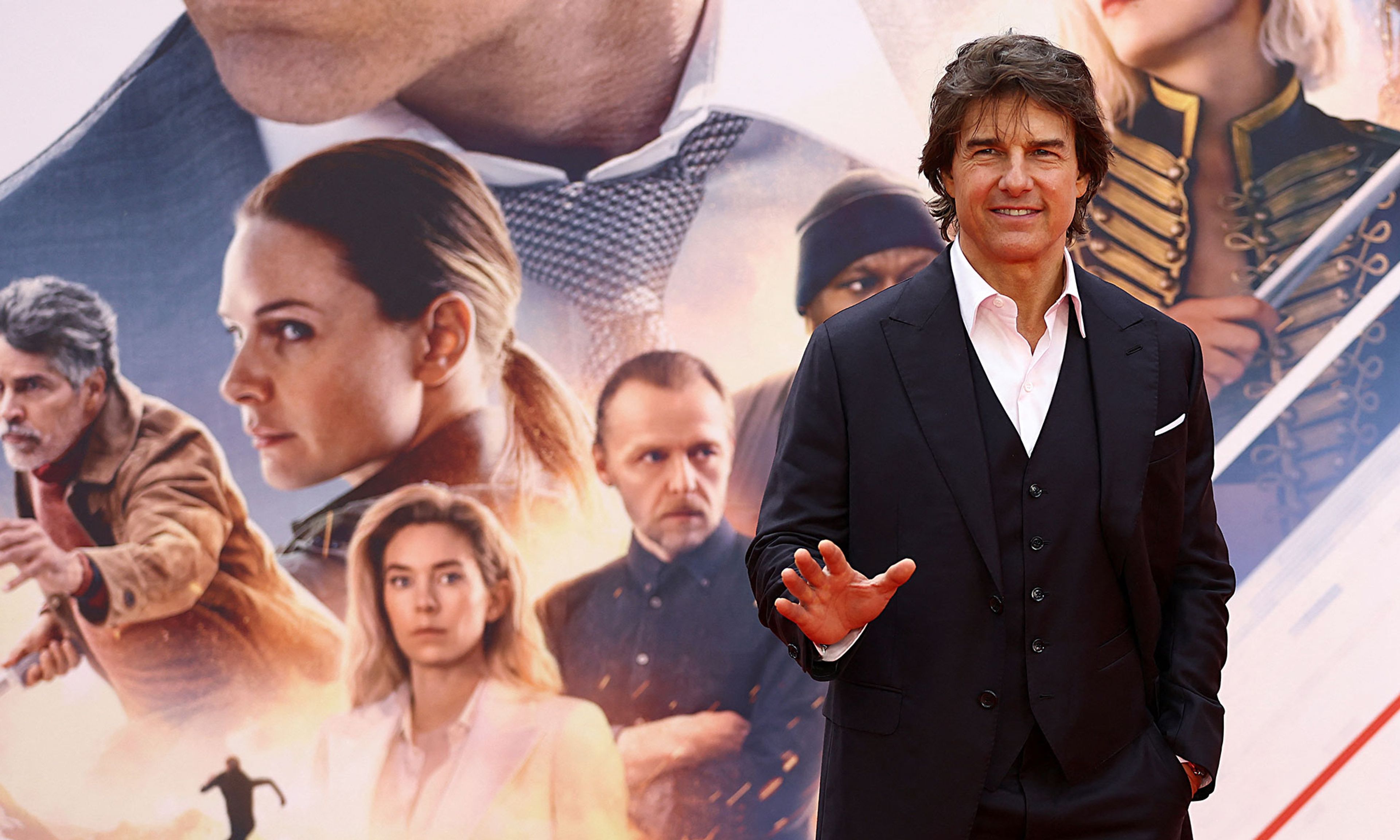
“Mel Brooks movies” or “Tom Cruise movies” are, in their own ways, unique types of movies. On some margin, they are substitutable for other movies. But there’s something about Brooks’s unique talents as a writer and Cruise’s unique talents as an actor that people pay to watch.
That basic tendency among movie-watchers seems unlikely to change. The people involved in the product are, in an important way, a part of the product, and swapping in different people — or no people at all — would yield a different product. In that way, the ultimate protection for human actors and screenwriters is consumer sovereignty.





Comments