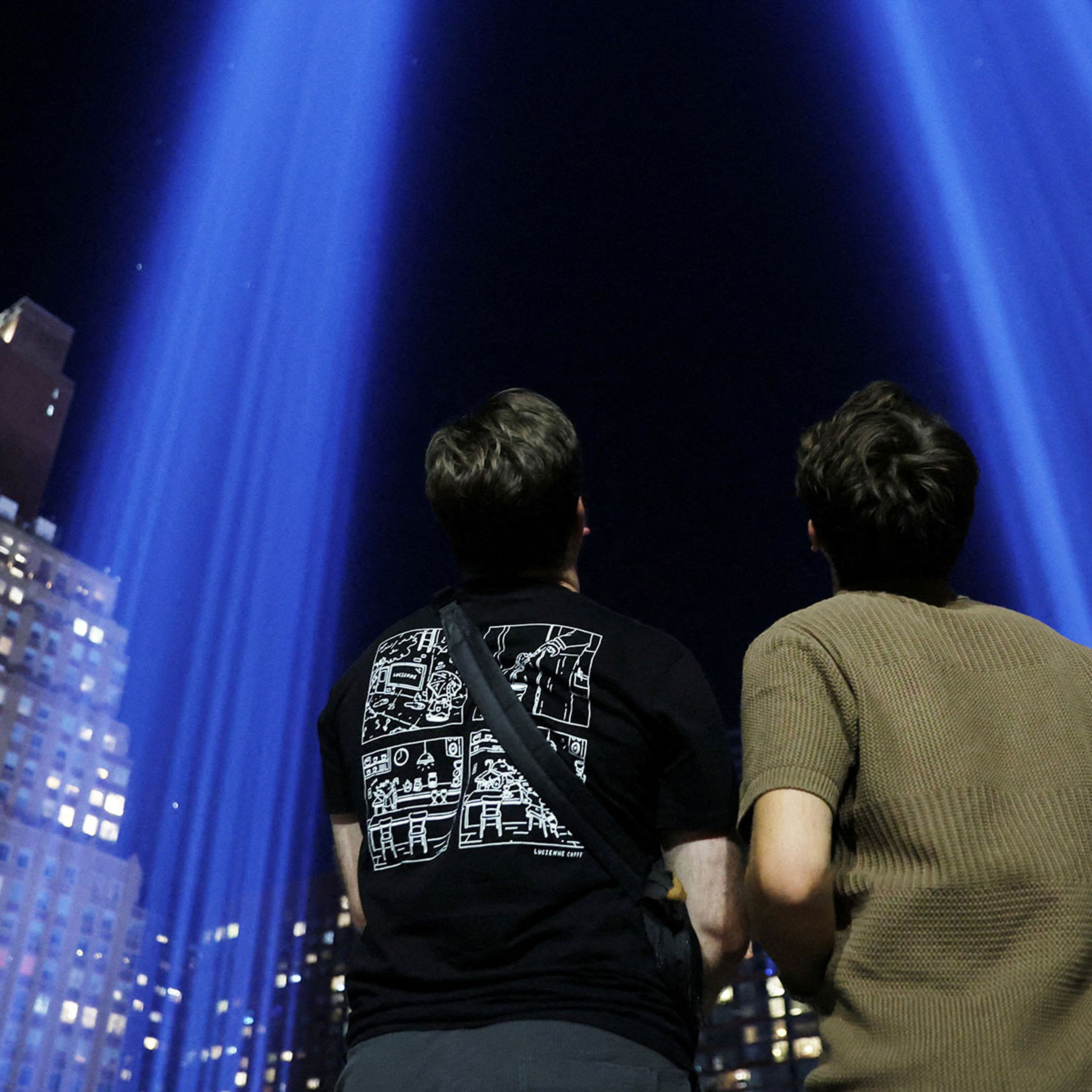
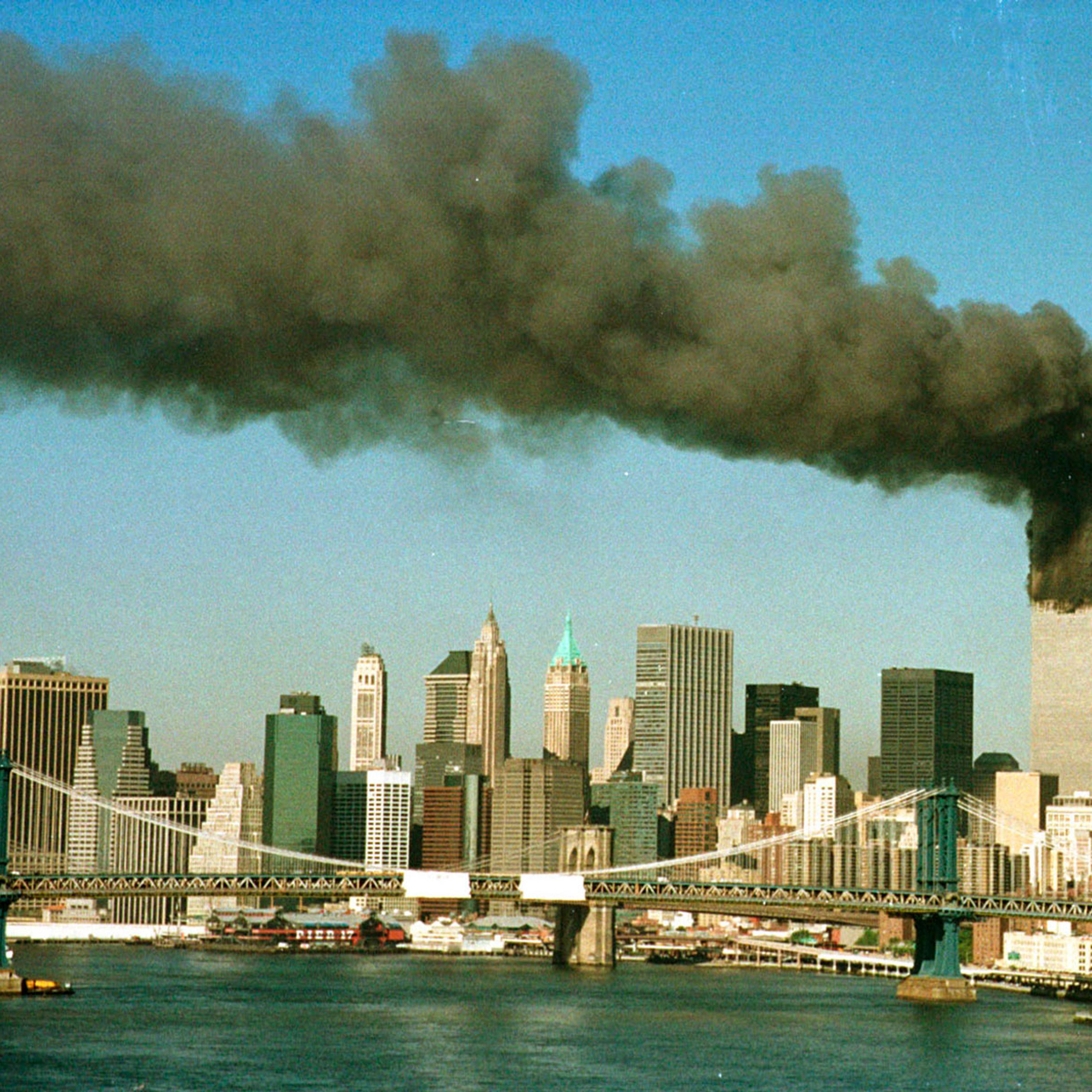
Every 9/11 memorial I’ve seen seems to include the words “Never Forget.” I remember that the phrase, so closely associated with the Holocaust, shook me up. But it also felt superfluous. I used to think: How could I? The September 11 attacks changed my country, changed the way we travel, changed our vocabulary. We still hear notices in Grand Central about unattended baggage. Everyone had a story about where they were, what their institution did in response, and even the conversations they had that day. It was also unforgettable because it was cinematic. The destruction of the towers, an iconic part of the New York City skyline, was broadcast. It was the closest thing to collective humanity walking onto the set of a disaster movie.
We were supposed to “Never Forget” the death of George Floyd either. And again. How could you? The pandemic orders that had kept everybody shut in were suddenly suspended for anti-racist demonstrations. One black man in Minneapolis died at the hands of a white policeman, and cities across the world saw mass protests against police brutality. Police departments were attacked and defunded. And new terms started entering the lexicon, such as “Soros-backed district attorney.” Half the country saw riots, the other peaceful protests. This bifurcation of perception was memorialized for me in a since-deleted tweet by the BBC that I’ll never forget: “27 police officers injured during largely peaceful anti-racism protests in London.”

Comments