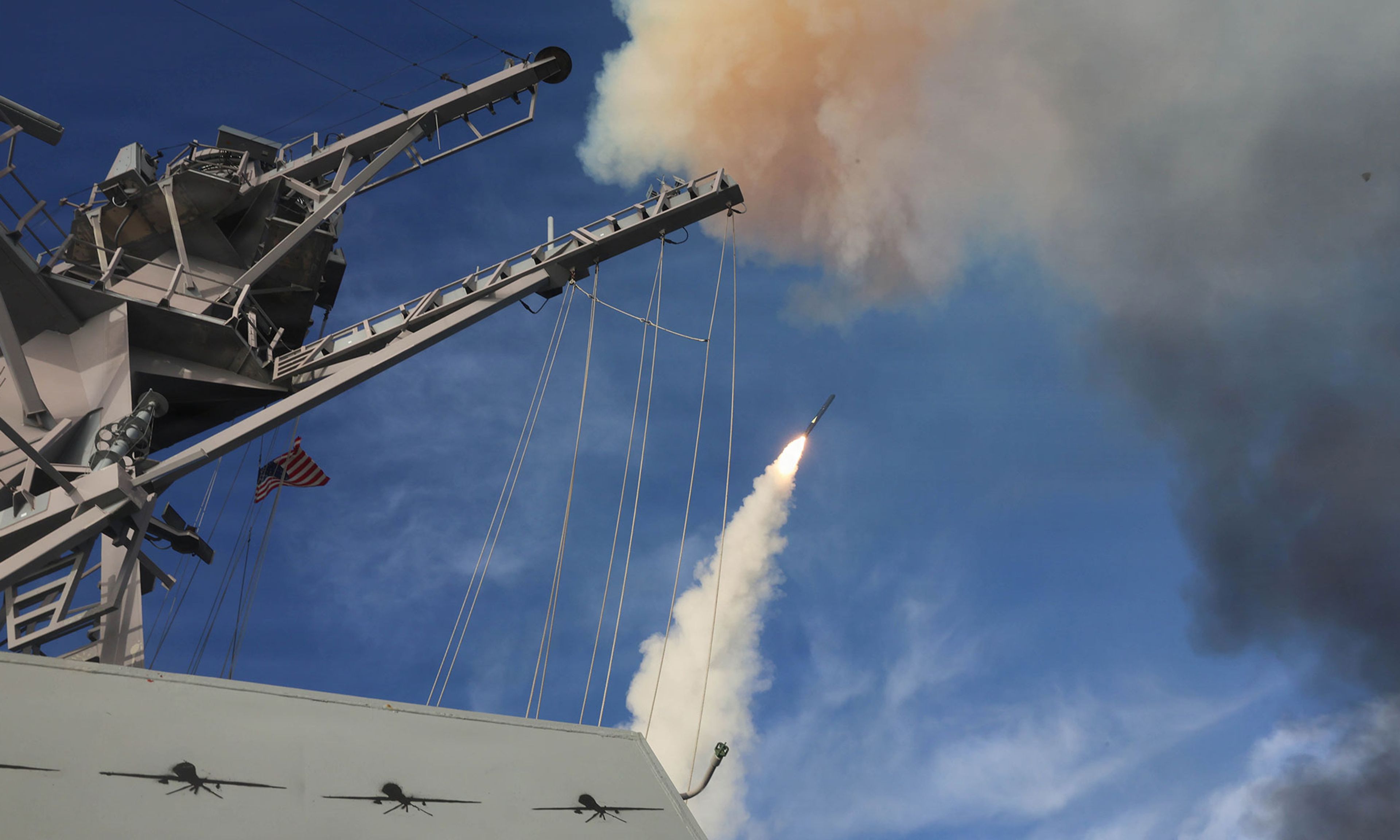
The wars in Iran and Ukraine are exposing a fundamental flaw in how the United States equips its military. Many of our most advanced systems — precision munitions, missile defenses, and large unmanned aircraft — are highly effective against our targets, but poorly suited to counter the cheaper, more numerous threats that now define modern conflict. Recent U.S. operations in Iran have expended high-end weapons (like the MQ-9 Reaper drone) at unsustainable rates, leaving Ukraine with a shortage of scalable air defense. Each Reaper costs between $16 million and $30 million — a high price to pay compared to Iran’s Shahed drones, which cost roughly $20,000 to $50,000, meaning the U.S. is routinely risking assets worth hundreds of times more than the threats they are designed to counter. We are fielding exquisite, expensive systems in a battlespace increasingly shaped by scale, attrition, and cost.
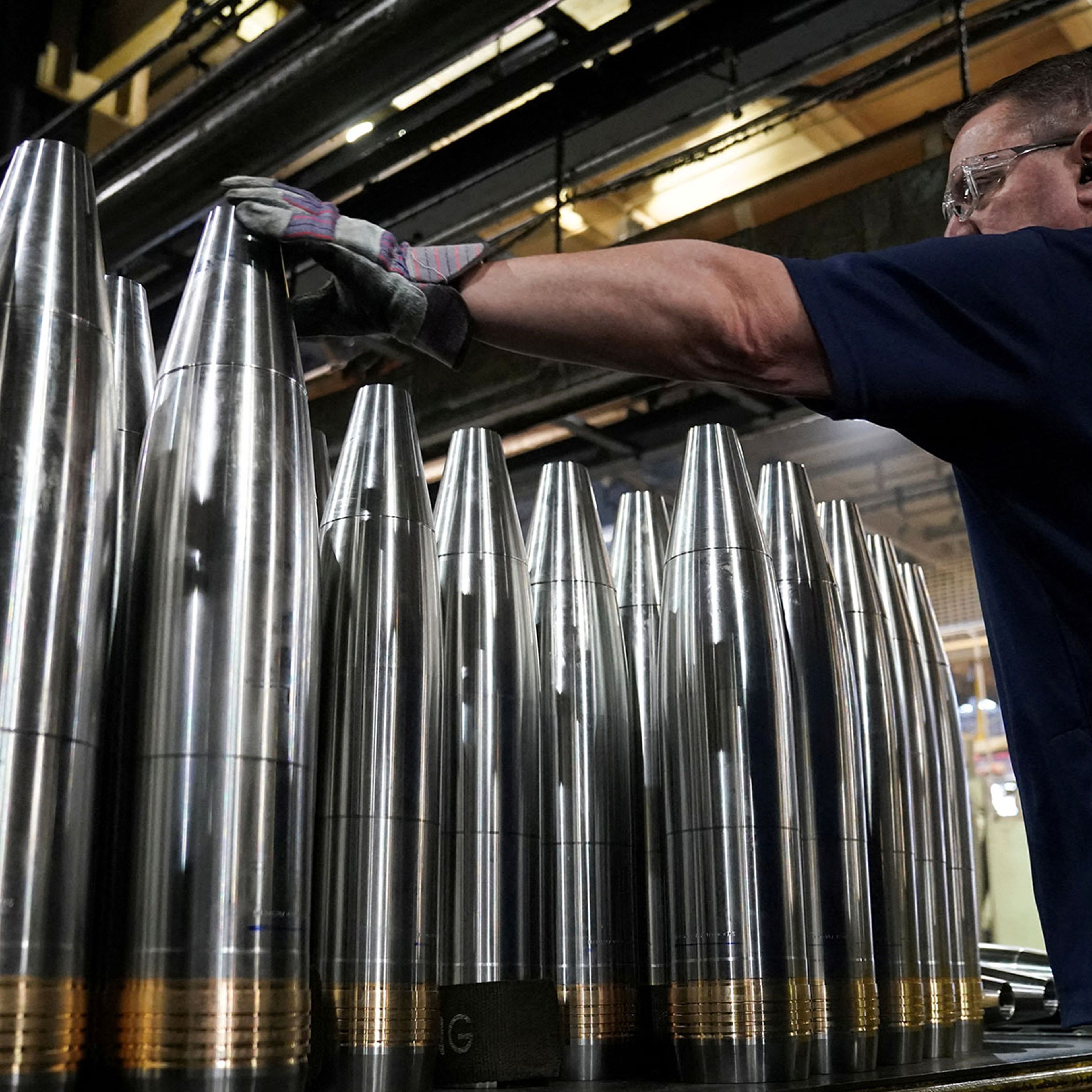
The urgency of this problem is underscored by two recent developments. President Trump has proposed a defense budget approaching $1.5 trillion for fiscal year 2027 — an unprecedented increase intended to strengthen U.S. military readiness. Yet at the same time, reports from the war in Iran indicate that the U.S. has already expended more than 1,000 Tomahawk cruise missiles, raising concerns within the Pentagon about how quickly these precision weapons can be replenished. Even as spending rises, our capacity for effecting modern warfare remains in question.


Comments