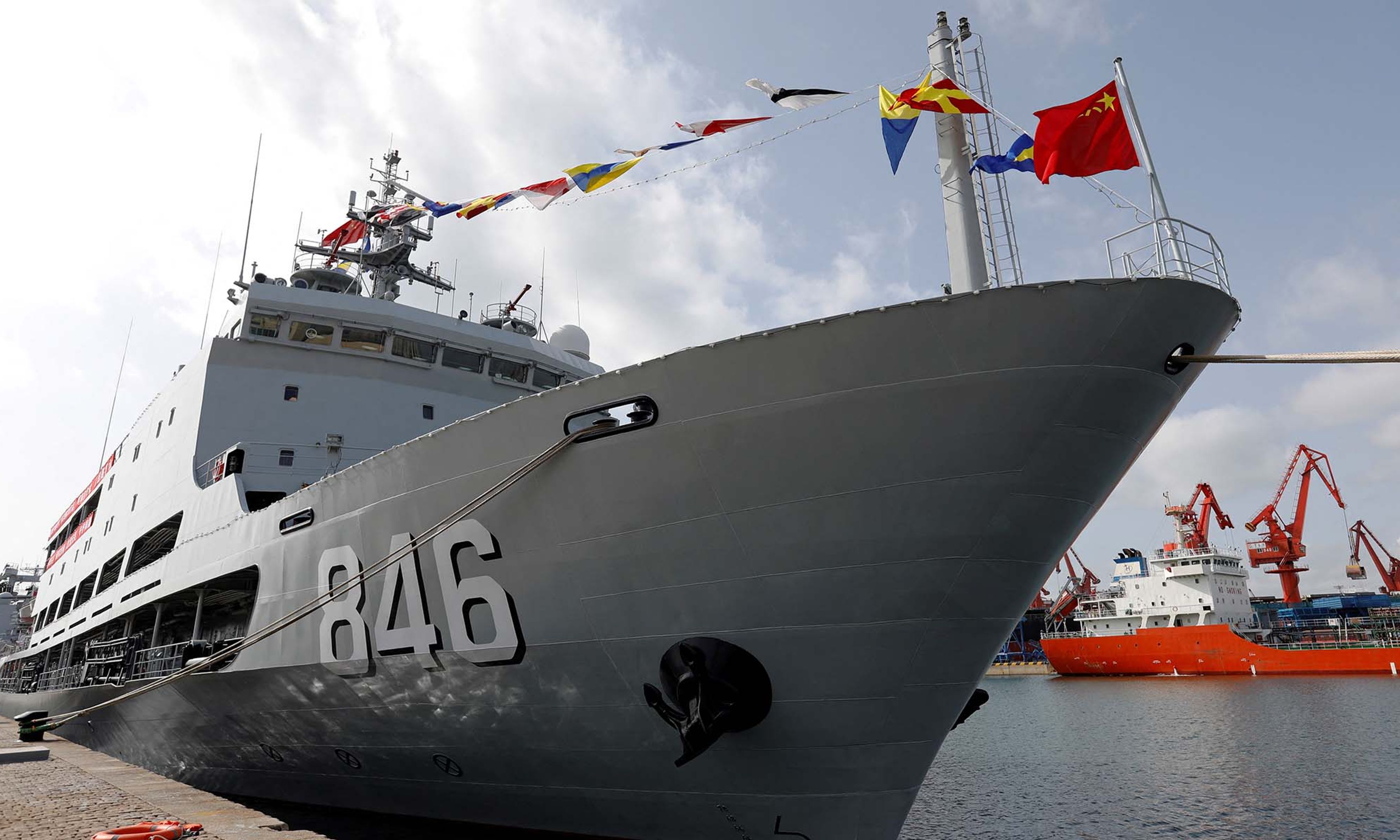
As the House and Senate put together their versions of this year’s defense-budget bill, there is a growing sense that it could include the most consequential update of U.S. maritime policies in many decades. Congress last reset those policies in the immediate post-Cold War era, when it assumed that America would always be the world’s sole superpower and the defense value of the commercial maritime industry was in doubt. In the past few years, much has happened to change those assumptions. China has leveraged the world’s largest shipbuilding industrial base to build the world’s largest navy. Russia’s battlefield failures have revealed the continued importance of logistics to military success. And a supply-chain crisis has demonstrated America’s vulnerability to a commercial maritime-logistics system over which it has no control.
In no strategically important sector is China’s advantage over the U.S. more pronounced than in the commercial maritime industry. Using extensive government support and other advantages, China’s commercial fleet (including ships owned in Hong Kong) is the largest in the world, numbering more than 10,000 large vessels. Chinese companies have stakes in about 100 ports outside of China, including ports adjacent to nearly every chokepoint in global maritime trade. Chinese companies also control key sources of shipping information and have become major players in marine finance, insurance, and related industries.

Comments