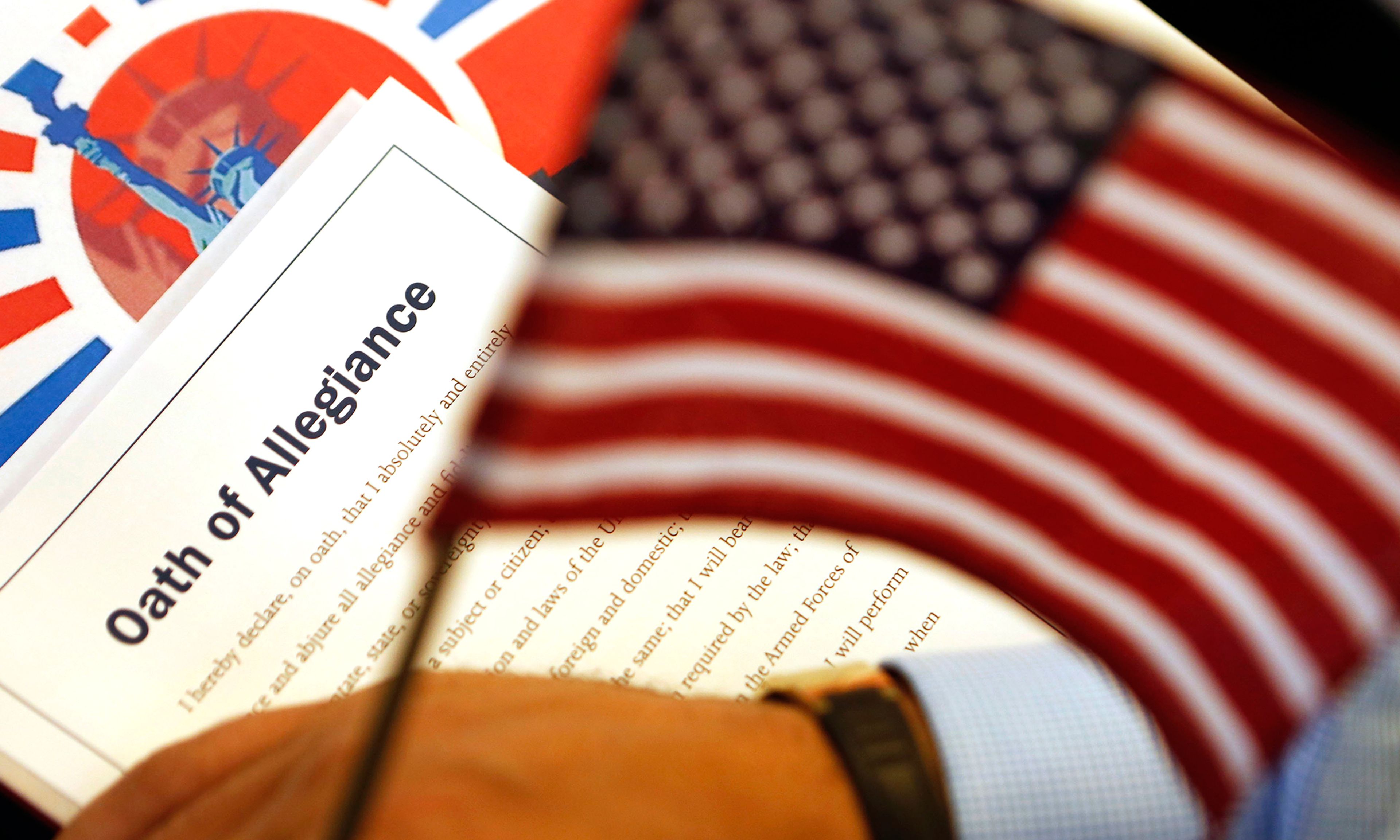
Our politics is currently overwhelmed with identity. Rights, votes, participation, all understanding of one’s place in the country is said to be based on one’s “identity.” The one identity that people shy away from is that of the American citizen. Who precisely is this person?
The American Constitution speaks in the voice of “We the People,” but never defines who that people might be, even if they already existed in 1787, even before the establishment of a “more perfect Union.” Who are these Americans? Who, as an individual, is an American? On the one hand, this is a simple question to answer. There is a legal definition of citizenship based on birth or naturalization, and some people simply are Americans and others are not. It is a matter of paperwork.




Comments