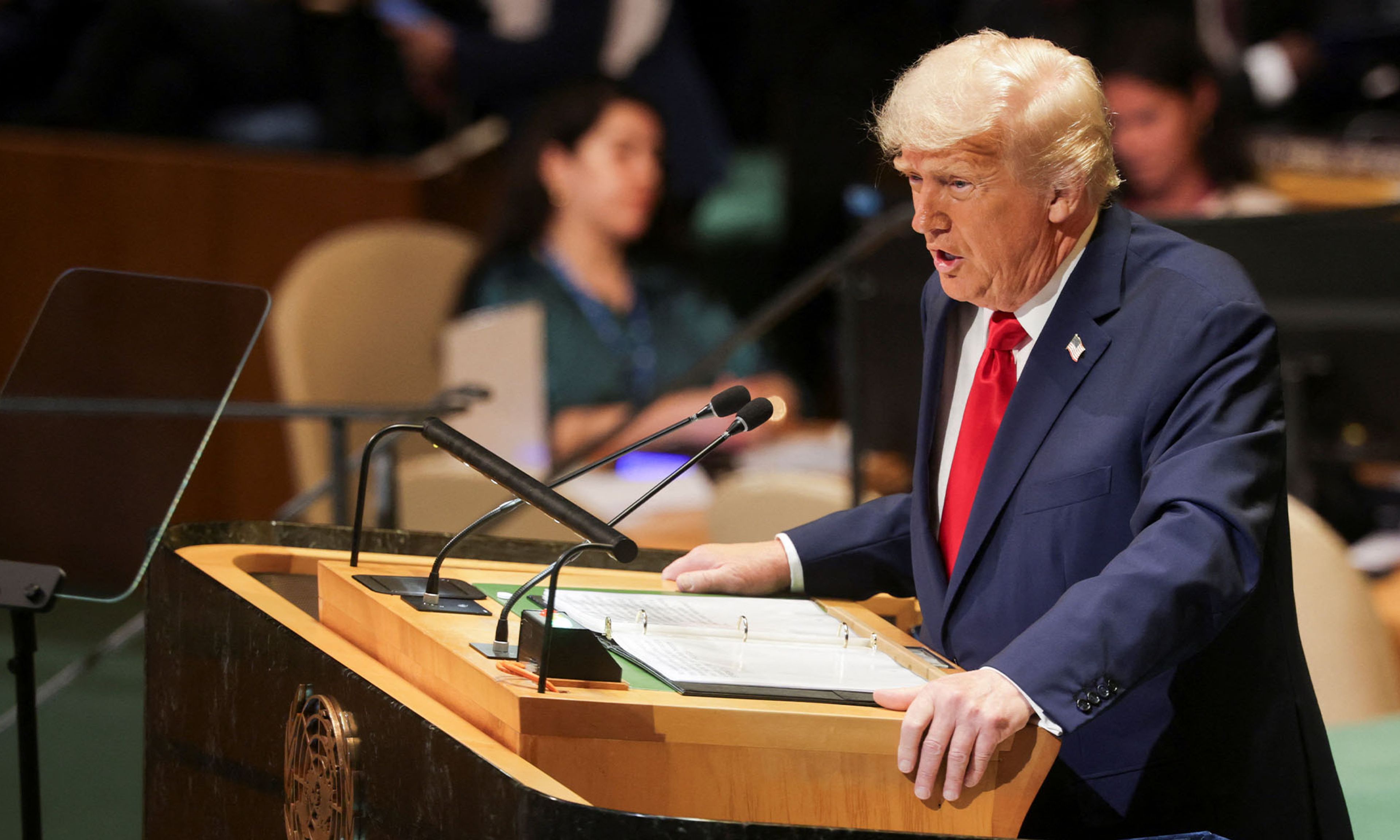
In January, President Donald Trump signed an executive order to withdraw the United States from 66 international organizations deemed “redundant, poorly managed, unnecessary, costly, ineffective,” or that were instruments of America’s adversaries. Among them are various United Nations agencies and, most significantly, the Intergovernmental Panel on Climate Change (IPCC) and the 1992 United Nations Framework Convention on Climate Change (UNFCCC), the latter of which is the backbone of global climate governance.
During his first term, President Trump removed the U.S. from the Paris Agreement. But a newly elected President Joe Biden promptly returned the nation to the agreement in 2021, making it a central gesture of his climate diplomacy. The episode exposed the fragility of America’s international climate policy: A simple change in administration could send the U.S. in or out of sweeping, long-term agreements, rendering global climate commitments mere extensions of domestic, partisan politics.



Comments