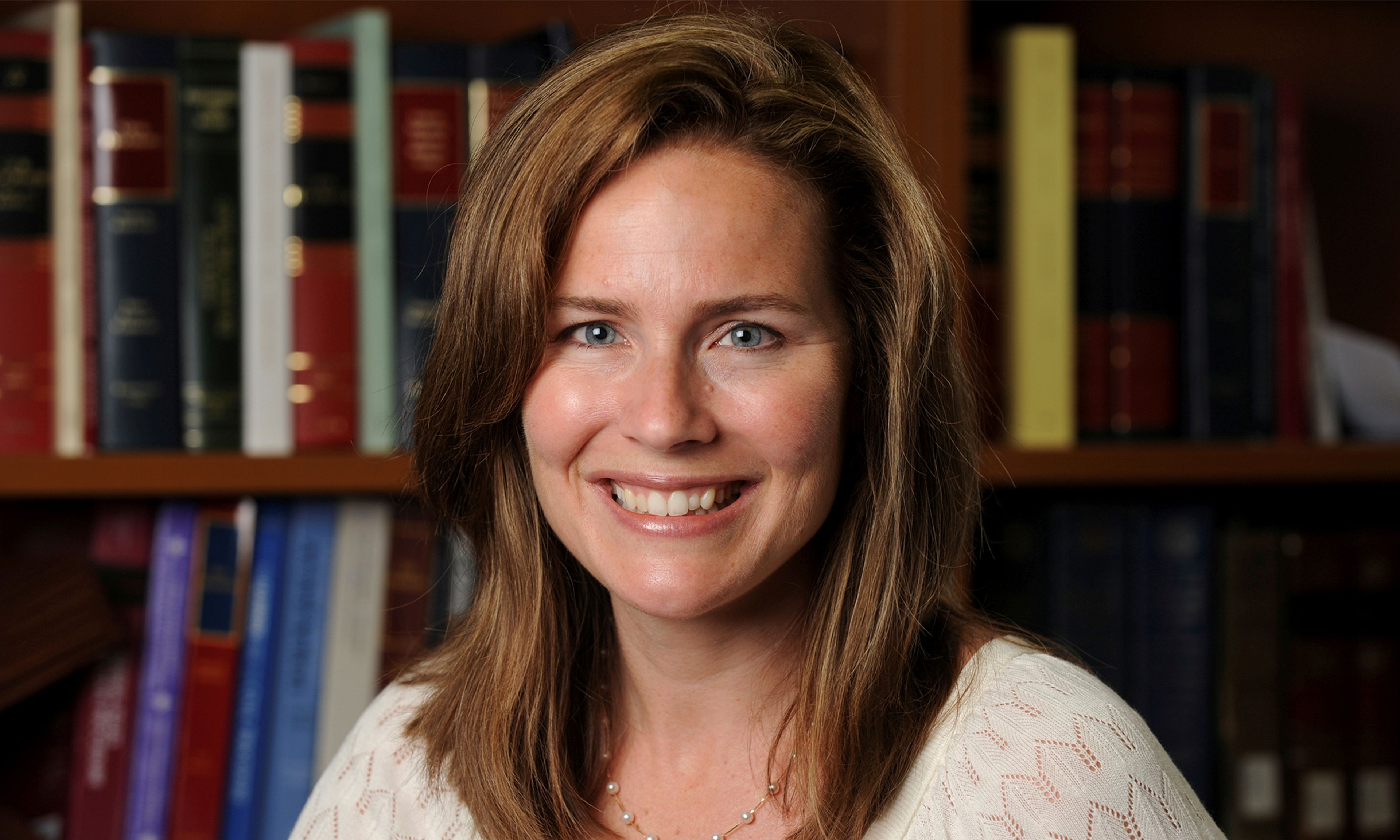
My Villanova University colleague Massimo Faggioli has an online contribution at Politico about Judge Amy Coney Barrett arguing that as “a Catholic scholar” he thinks it is fine “to ask questions about Barrett’s religious beliefs.” Along the way, he sets up and knocks down a series of strawman arguments, engages in pernicious dual-loyalty arguments that are a longstanding staple of anti-Catholic (and anti-Semitic) bigotry in American public life, and asserts gratuitously that “Amy Coney Barrett is not Catholic like John F. Kennedy was Catholic.”
When John Carroll (the first bishop in the United States) asked the federal government for advice about various clergymen who might be bishops, James Madison declined to get involved. That the Constitution says there shall be no religious test means something. Faggioli is arguing for undue religious influence in a process that specifically forbids it, but from an unusual direction — by a fellow Catholic — than might be expected.




Comments