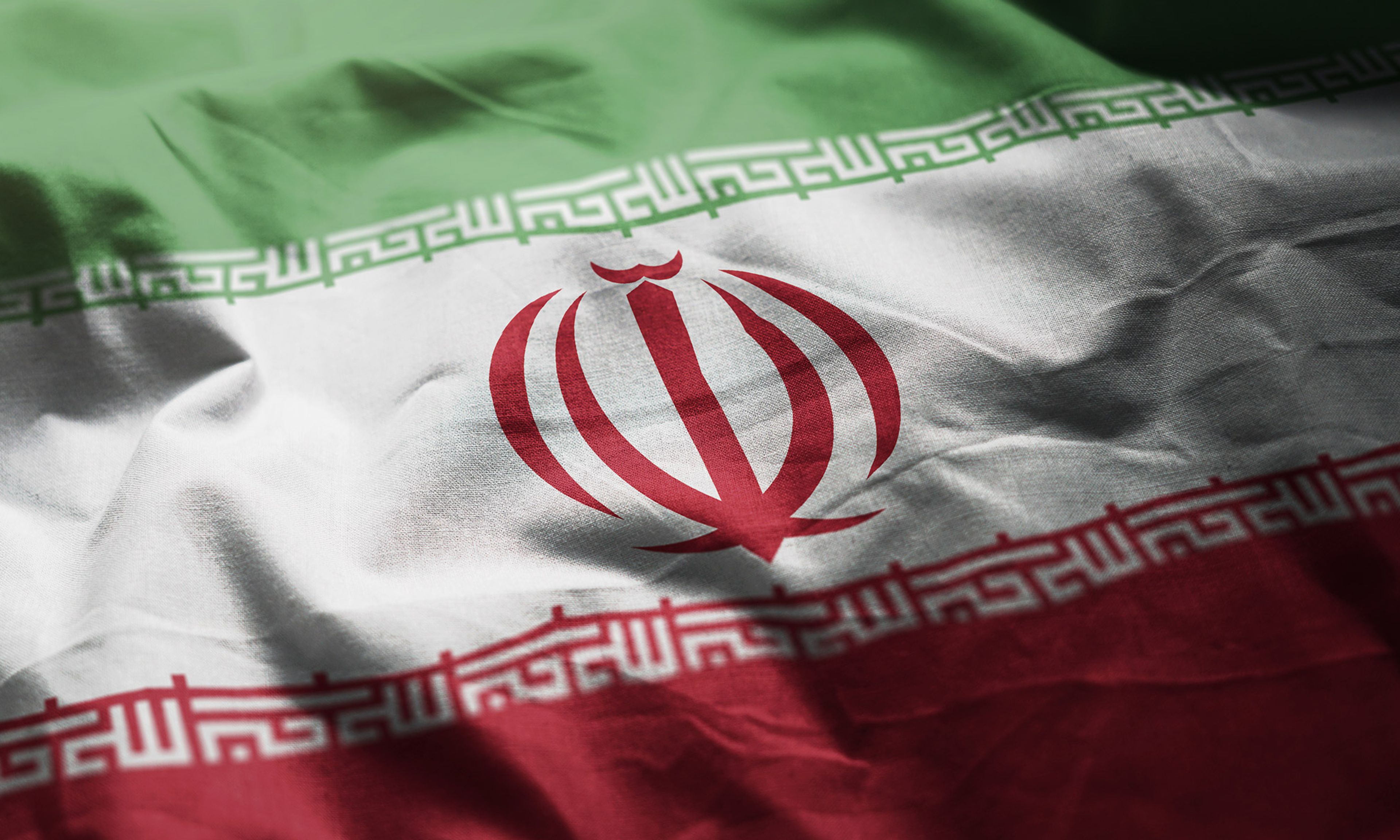
Political divisions in the United States may be widening on a broad range of political and policy concerns, but the country is still relatively united on at least one issue. Since the Islamic Republic of Iran’s revolutionary ascent in 1979, Americans of nearly all political stripes have viewed it as a hostile and threatening actor — and sometimes even an evil one. Of course, this sentiment has not always been expressed in policy; Obama White House Deputy national-security adviser Ben Rhodes famously bragged about the way he and his team manipulated the mainstream media and other “outside groups” who then “validated what [they] had given them to say” about the controversial Iran nuclear agreement.
Yet there is still an American consensus on what the Iranian regime was and is. A Gallup poll released March 3 found that no country is held in as much contempt by Americans as Iran. Among those polled, an astonishing 88 percent have a “very” or “mostly” unfavorable view of the country, a negative impression exceeding even that of Kim Jong-un’s totalitarian North Korea. A 2019 poll also reflected this consensus: 93 percent of Americans designated the Iranian regime’s development of nuclear weapons as a “critical” or “important” threat, and 90 percent placed Iran’s military power as a threat rising to those same categories of urgency. It is true that Americans have reasonable differences on what to do about the Iranian regime’s threatening militancy and sponsorship of terror. But it matters that they do not disagree on the present nature of the regime itself.




Comments