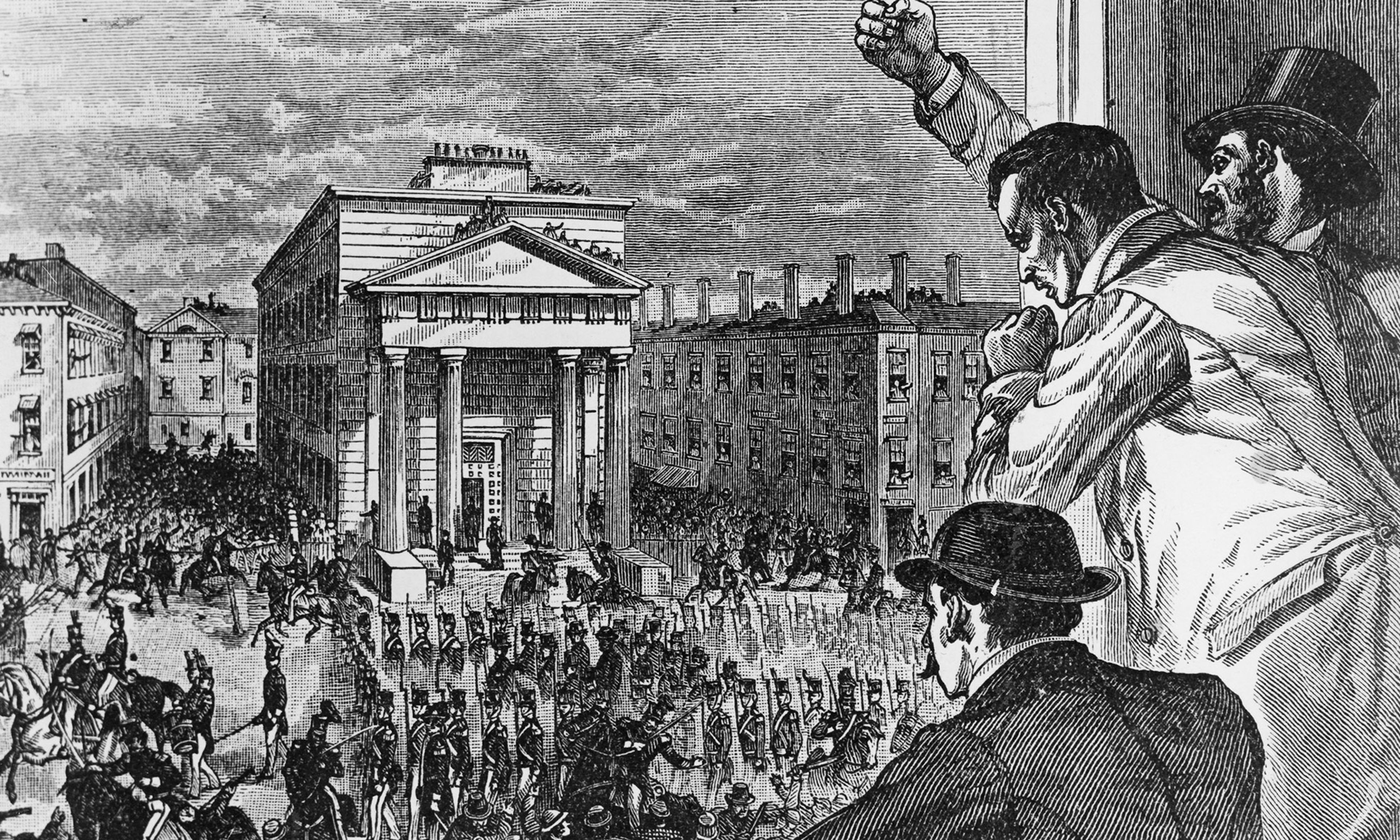
One of the favorite rhetorical moves of progressives these days is to look at whatever the policy agenda or campaign of the day is and shoehorn it into a narrative in which their opponents are the heirs of slavery and Jim Crow. Now, I’m not against learning lessons from historical analogies or considering the intellectual roots of ideas, but this is frequently taken to absurd extremes, with standards applied so inconsistently that history is cited to support the exact opposite of what it actually teaches.
One current example is the bizarre use of racial history in the infrastructure debate. In September, Slate ran a column by Ariel Ron arguing that John C. Calhoun opposed federal infrastructure projects for racist reasons, so we should therefore view every objection to such projects as the heirs of Calhoun:





Comments