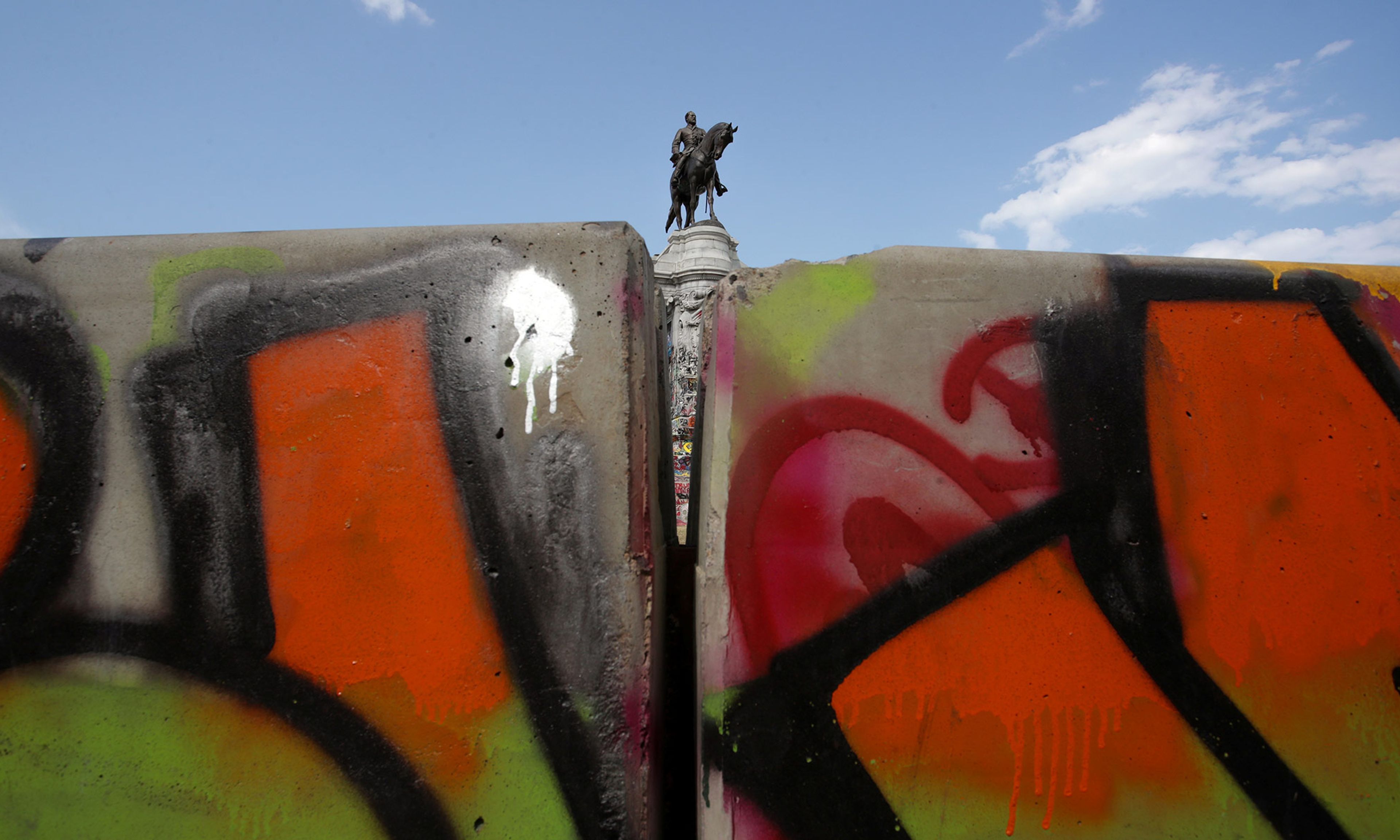
I was born in 1952, during the presidency of Harry Truman. Nine years later, this country began its centennial commemoration of the Civil War. I was completely swept up in it, writing letters to chambers of commerce all around the battle-affected states to solicit information on nearby battlefields, both decisive and inconsequential. A year later, my parents surprised me with a trip to Gettysburg in the family station wagon. The evening of August 29, 1963, I spent the night in the house used by Robert E. Lee as headquarters during that titanic battle. Upon returning home, I wrote a letter to Pulitzer Prize–winning historian Bruce Catton (A Stillness at Appomattox), gushing over the vistas I’d seen and the knowledge I’d gained. He was kind enough to respond, encouraging me to continue my historical studies.
Not surprisingly, I became a historian and teacher. I have visited battlefields all my life, captivated by the dramatic confrontations that bloodied those sites, as well as by the even-handed presentation provided by the national military parks. This, I have long assumed, owed its nature to the premium that had been placed on reconciliation after the war which might allow a deeply wounded nation to heal, however imperfectly. I have taken my kids to Gettysburg, Antietam, and Petersburg, as well as the Confederate White House in Richmond.


Comments