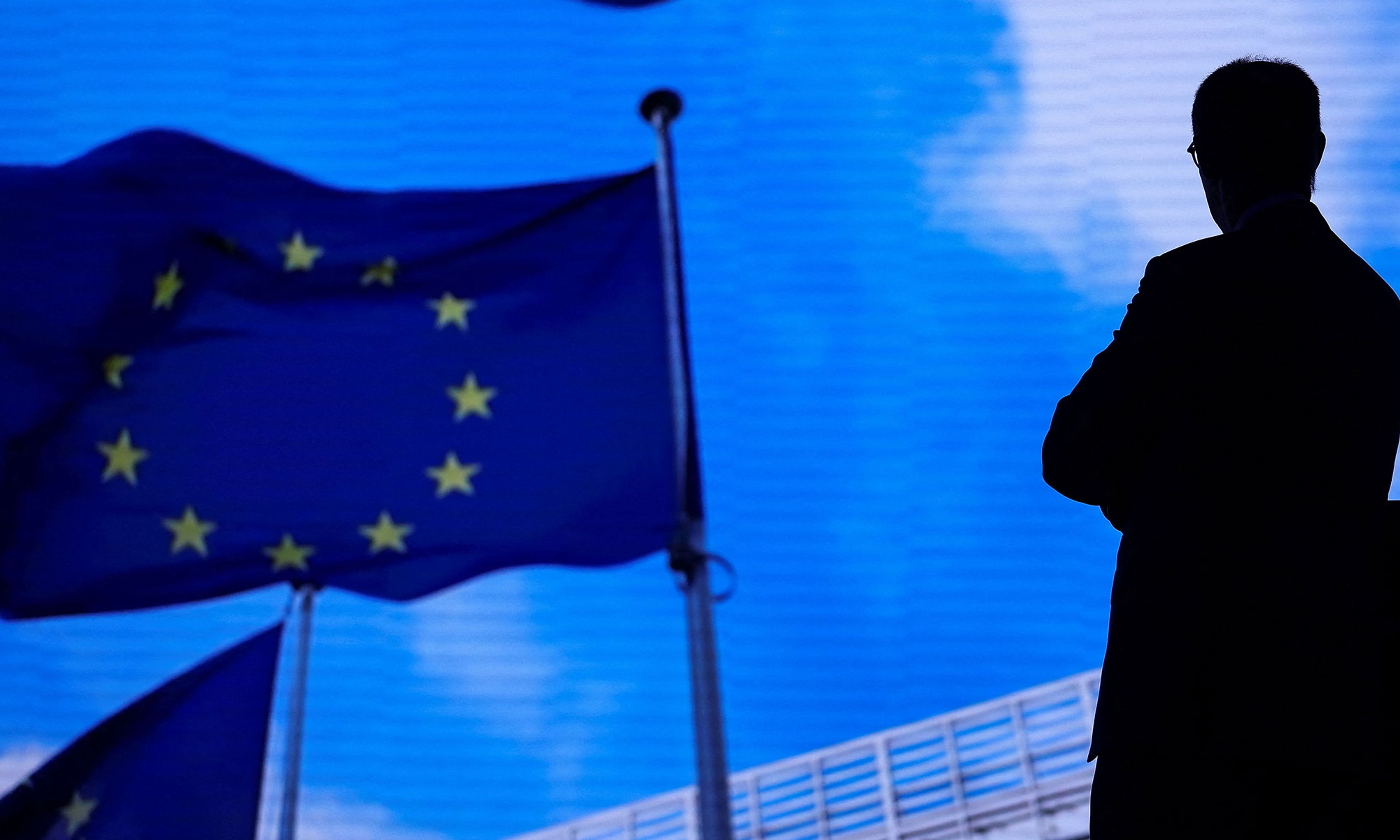
Americans do not sufficiently appreciate the meaning of Elon Musk’s buying Twitter and turning it into X, or the reelection of Donald Trump, which inspired Mark Zuckerberg to publicly recant the Covid-era woke censorship he had pursued hand-in-hand with the U.S. government’s three-letter agencies. Much of Europe is still living in early 2017, when the shock of Brexit and Donald Trump inspired a determination among establishment parties in government to giddily launch info-warfare upon their own publics.
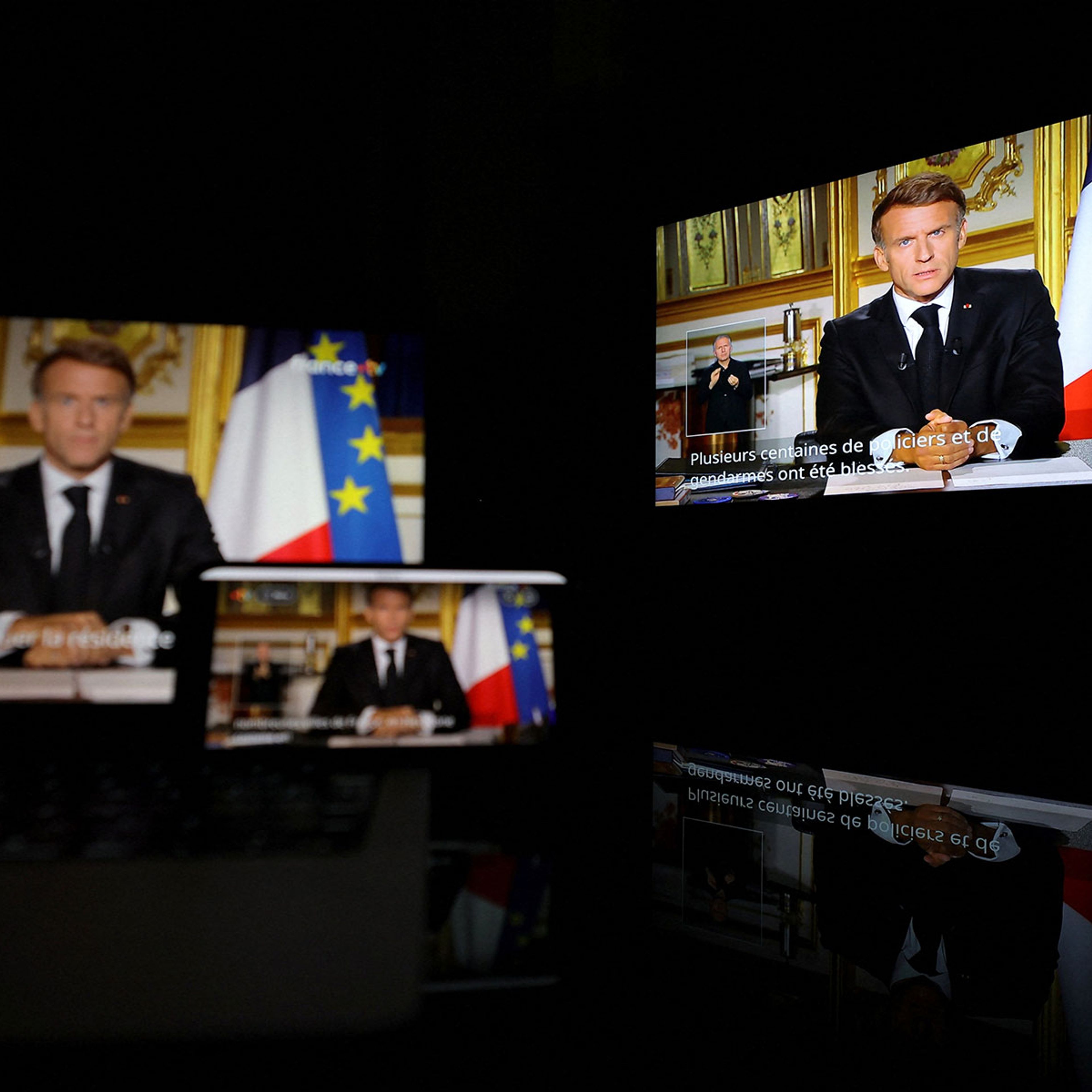
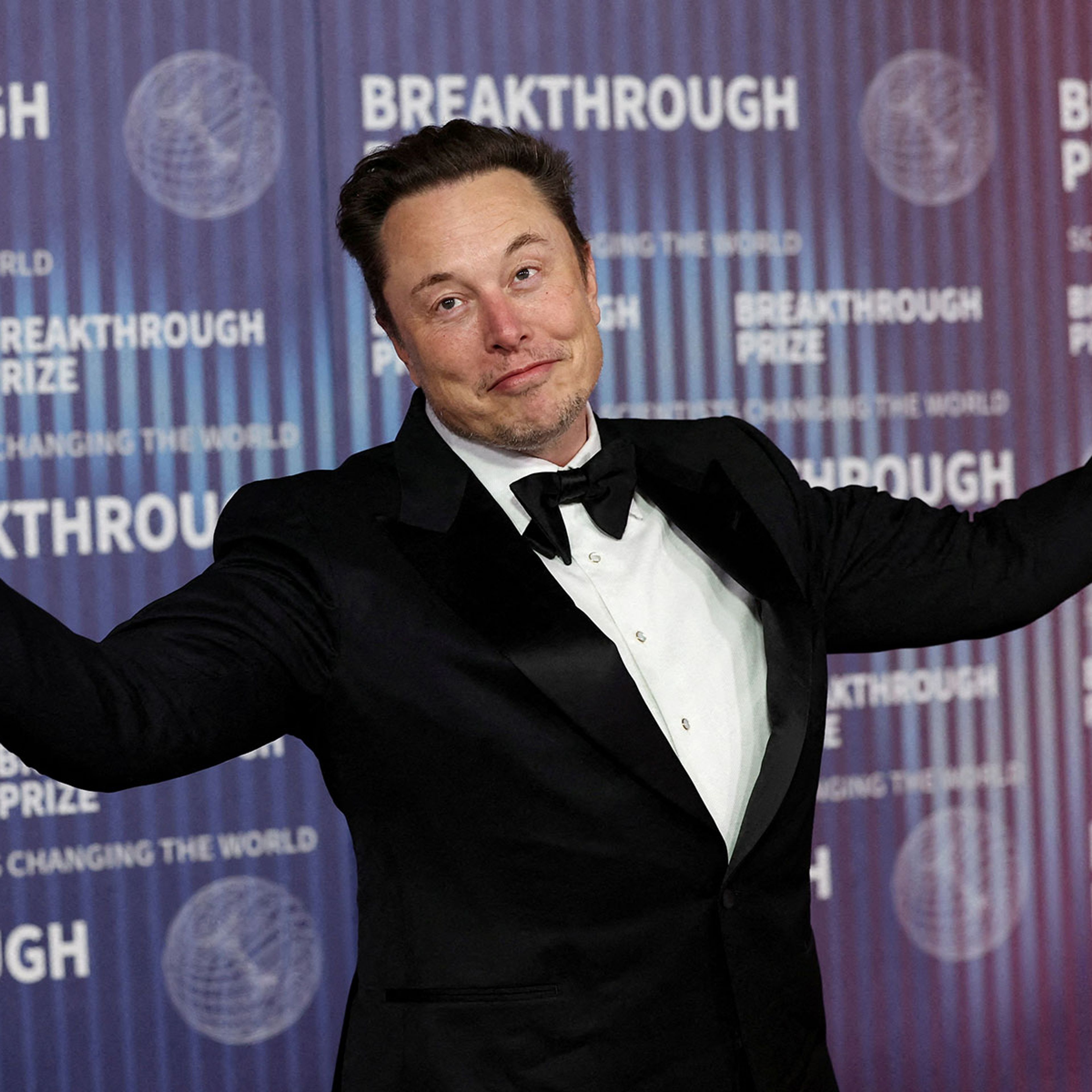
France has opened a criminal investigation into Elon Musk, amid concern over “deepfakes” and “manipulation.” The head of the Ministry of Foreign Affairs, Jean-Noël Barrot, announced a new effort to combat so-called foreign disinformation that could impact the next election. The ministry said “the battle of narratives is in full swing.” Notably, this was all accompanied with a presentation in which the Eiffel Tower was pictured on a glorious summer day, juxtaposed against a “filtered image” of a man wearing a MAGA cap and glasses, who sees the tower alongside squalor and disorder. That same morning, lots of Paris had a disordered look after rioting by locals, including torched buses. But the message from the government was clear: the only acceptable information is that France is doing great under Emmanuel Macron.


Comments