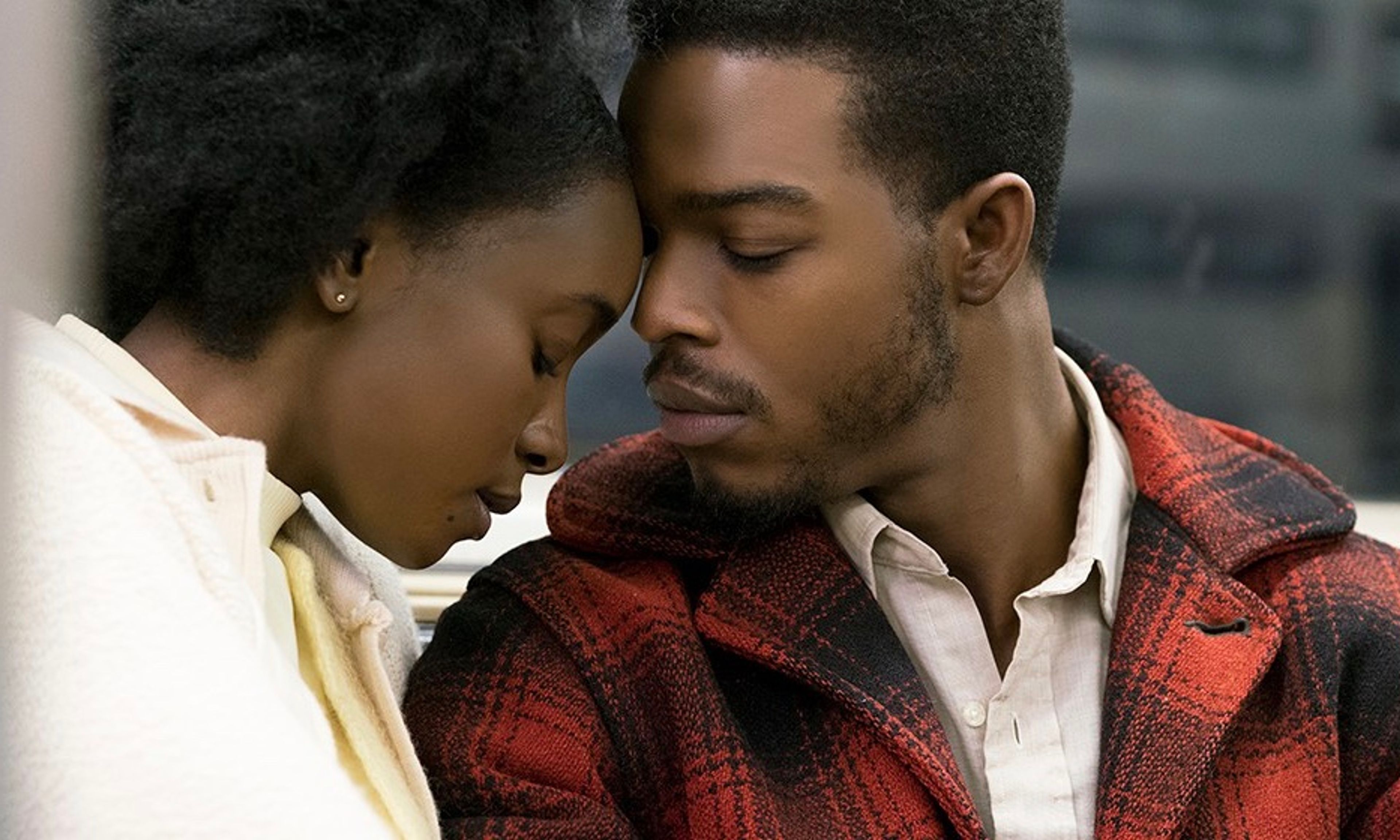
The point seems elementary: Don’t build a drama around passive, hapless characters who amount to feathers on the winds of fate. Yet when it comes to portraying black folks, especially in movies aimed at the white art-house audience, the principle is often forgotten. Barry Jenkins, the director of one such film, Moonlight, has to be pleased with how that one turned out, given that it won him an Oscar for Best Adapted Screenplay while the movie itself won Best Picture. He takes the same tack in his follow-up, If Beale Street Could Talk.
James Baldwin’s 1974 novel, a poignant love affair set in 1970s Manhattan that is debuting this month at the New York Film Festival ahead of a November theatrical release, comes across on screen much as Moonlight did. Evocatively photographed, emotionally rich, and deeply grounded in its setting thanks to detailed production design, vivid costuming, and resonant musical cues, it nevertheless is plagued by simplistic plotting and characterizations. And it’s so ponderous and humorless that it makes the slow-moving Moonlight look like Girls Trip by contrast. Moviegoers would be well advised to have a double espresso on the way in; those who watch Beale Street later on TV will, I fear, have difficulty making it to the end. By which point a central problem remains unresolved anyway.




Comments