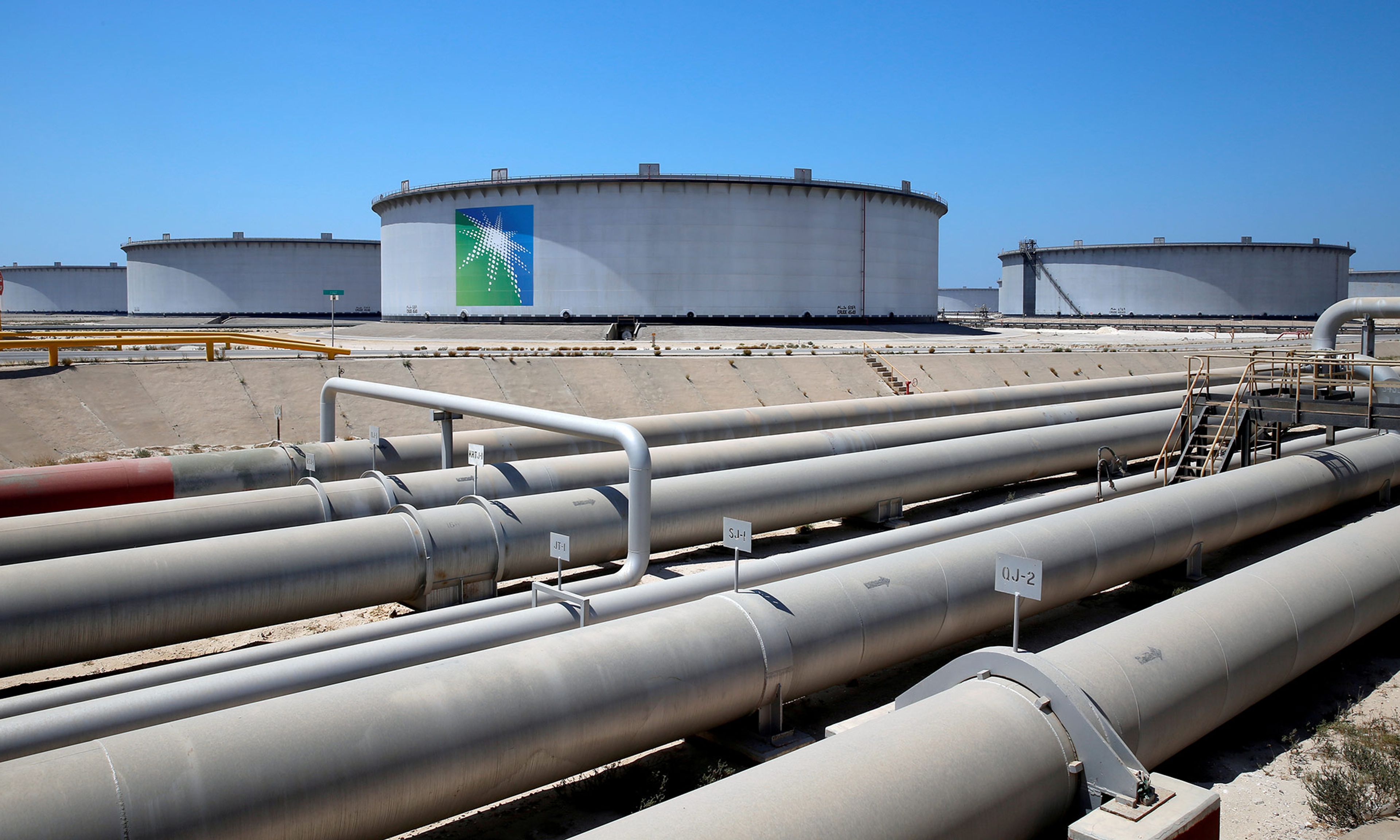
The Iran war has been raging for over a month and, despite the current cease-fire, looks likely to erupt once again. Over the course of the conflict, the Iranian regime has seen its military capacity massively degraded, its leadership class killed, its proxy forces weakened, its internal repressive apparatus undermined, and its nuclear program crushed. These are major tactical defeats for the mullahcracy, but they have had one ace up their sleeve that they have played to great effect: closing the Strait of Hormuz. This has had profound global economic effects, as the volume transiting this critical maritime passage has decreased enormously.
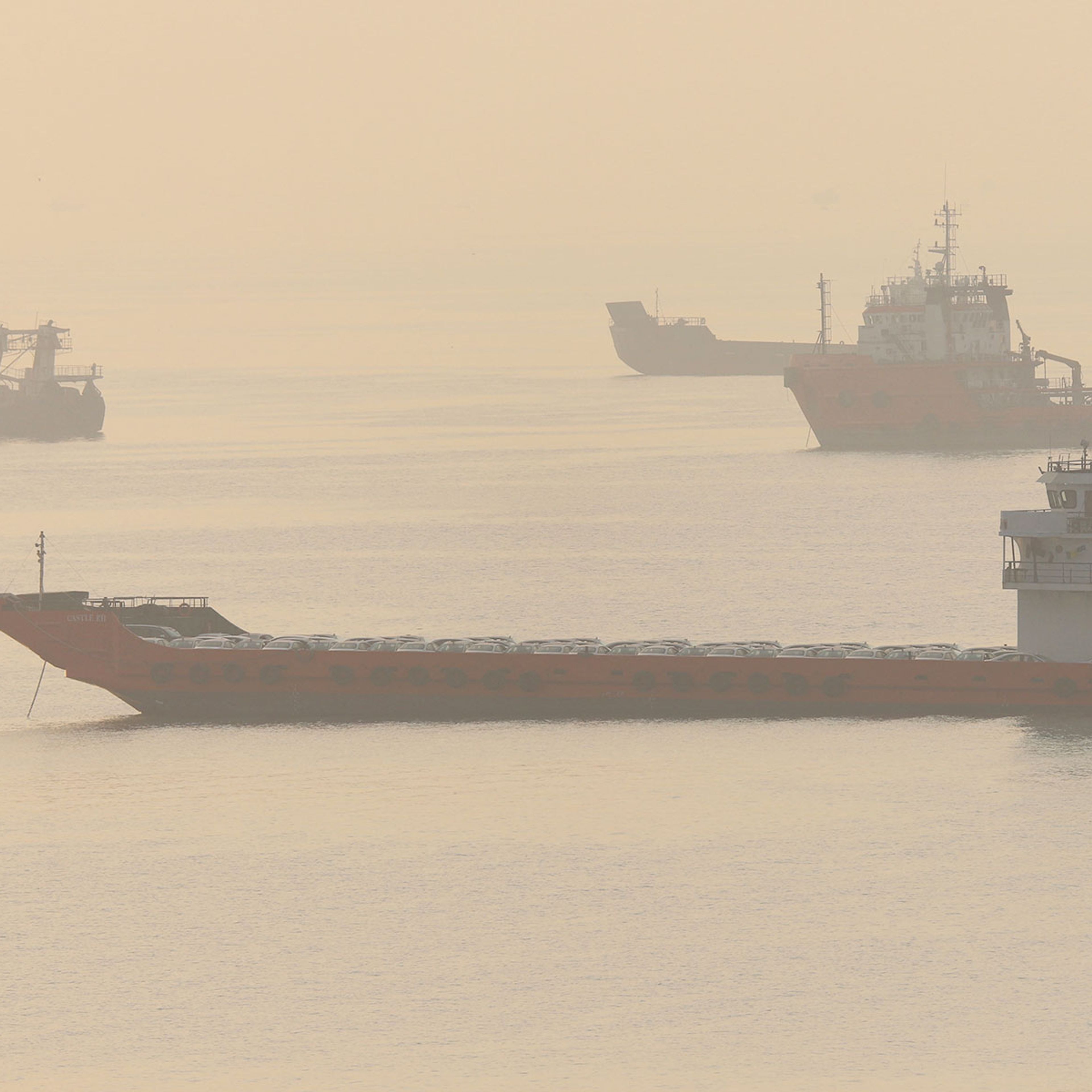
Hormuz is the world’s most important energy chokepoint, with oil and natural gas flowing from nations like Saudi Arabia, Qatar, Kuwait, Iraq, the United Arab Emirates, Bahrain, and Iran to buyers around the globe. This waterway sees nearly a quarter of the world’s seaborne oil trade and almost as high a percentage of the global liquefied natural gas (LNG) trade passes through it. These products, crucial to modern life, are primarily bought by Asian nations, including China, India, South Korea, and Japan. Energy is not the only commodity that passes through the strait in large amounts; processed minerals, fertilizer, chemicals, and refined petroleum products all leave the Persian Gulf in that fashion as well. The Iranian regime has held all of this commerce hostage, almost entirely via rhetorical threat. They have not sunk tankers in the strait, shot at every passing vessel, or spread mines across the entire waterway; instead, they are merely posturing as though they will do these things. Unfortunately, that is enough for maritime insurers and shipping companies to see the risk as too great and hold off on passage — or pay Tehran its ransom.

Comments