In case Americans have forgotten, here is how federal governance is supposed to go in a constitutional republic: Congress, composed of lawmakers representing their constituencies’ diverse interests, initiates policy. The assembly, as well as the public, debates proposals before they take effect. Once enacted by requisite majorities, the president responds by faithfully executing the new policy. If presented with a case, the judiciary reviews whether this execution adheres to the statute and whether the statute itself is lawful under the Constitution.
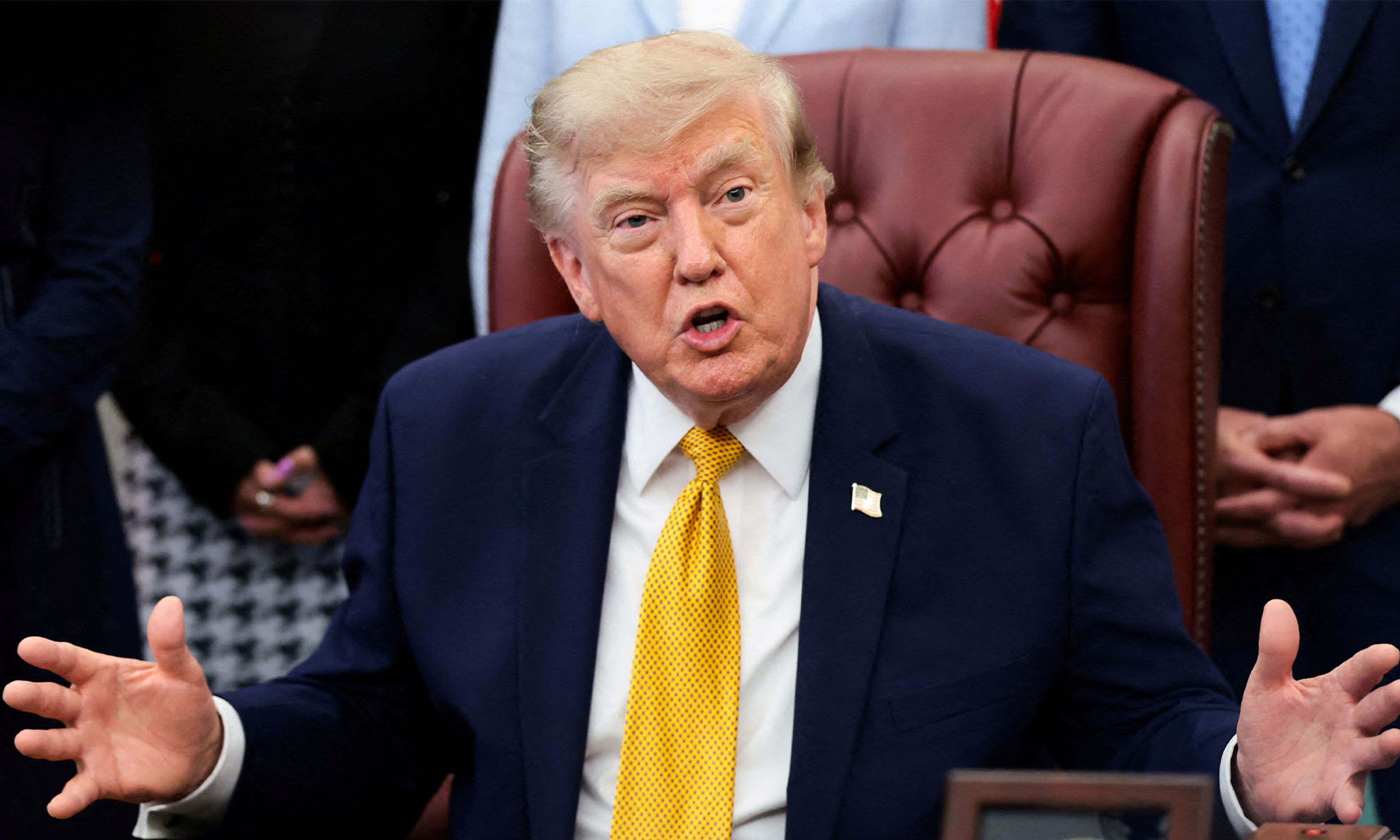
On tariffs — as with so many important matters in this administration — here is how the process actually unfolds: The president, informed only by those with whom he chooses to surround himself, decides policy according to his own will. Members of Congress cheer from the sidelines, either for or against. (Their involvement in the game would be unthinkable.) Judges, far more often than not, defer reflexively. At best, they may invalidate one statutory abuse after many months, only for the president to devise another in a day.
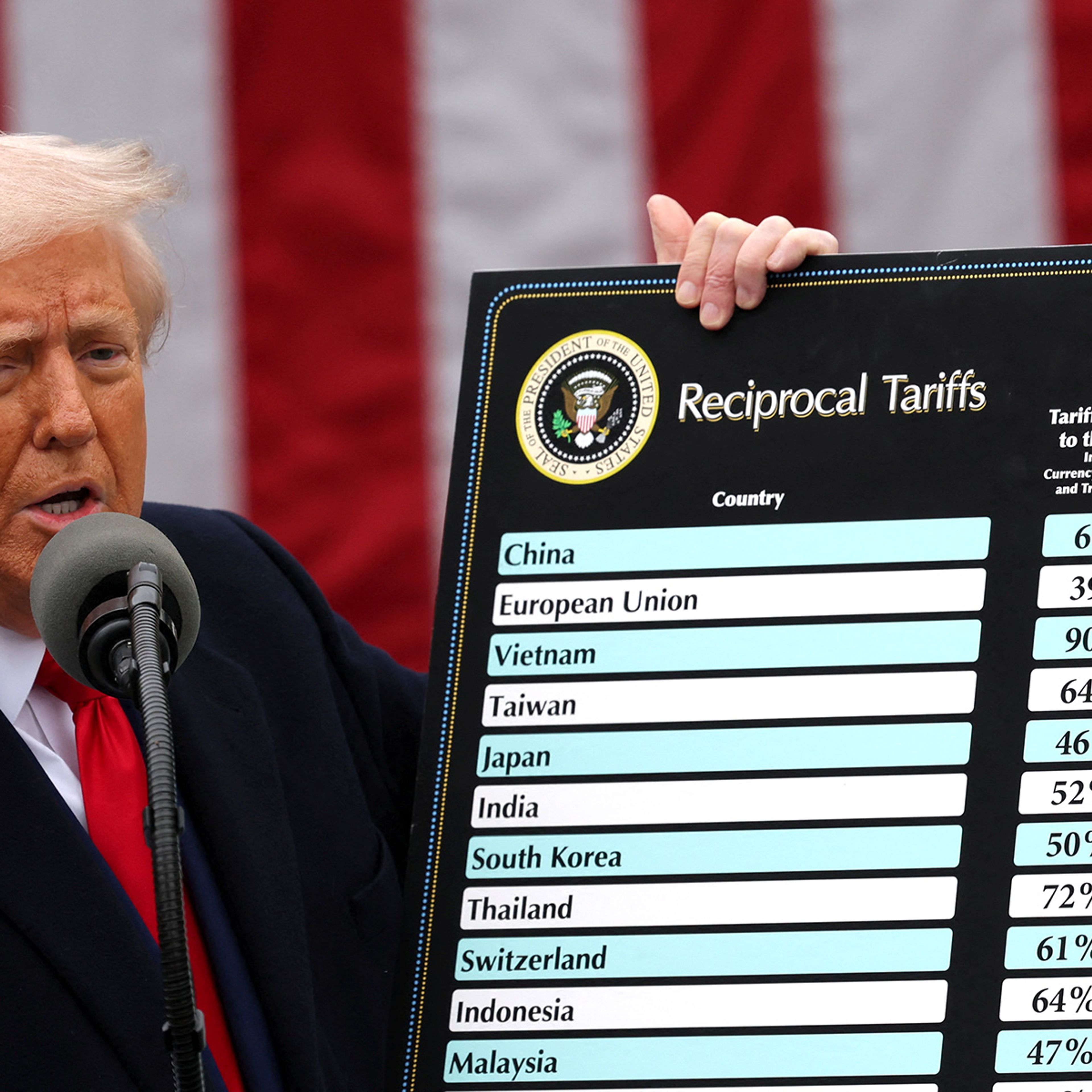
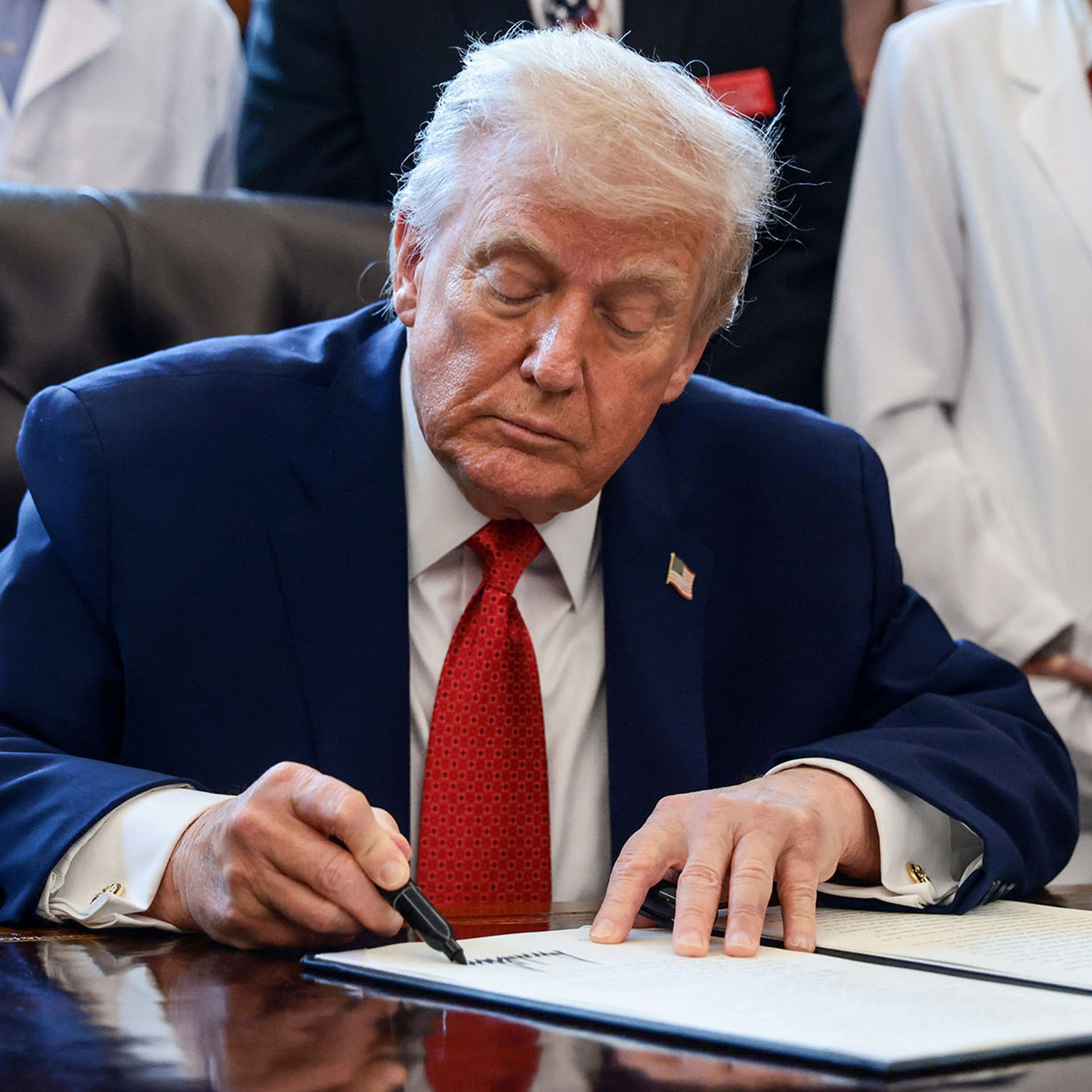
President Trump wishes to impose lofty tariffs, so he decrees it. Congress could interject if it likes, but it doesn’t. (Among the Republican majorities, critical comments are considered bravery.) The Supreme Court rightly terminated Trump’s first misconstruction of the law, which deemed that a statute that does not mention tariffs entitled him to impose any tariff at any rate for any duration. The same day, Trump decreed a universal tariff of 10 percent under another statute, supposedly to counteract a “balance-of-payments deficit” that did not exist.
That tariff expired on July 24, but, in an astounding coincidence, Trump imposed a new suite of global tariffs on July 20 under a third statute. These ones are to cope with the unconscionable forced labor in such countries as Switzerland and Australia. Canadian imports are now tariffed under a fourth statute, as retaliation against protectionist measures that Trump provoked.
Americans can be taxed without genuine representation because, over the last century, Congress surrendered its vested tariff power via a series of porous delegations. Through enabling acts, it has built a sprawling amusement park for whimsical executives. When one ride ends, move on to the next.
Theoretically, Congress must attach an “intelligible principle” to the exercise of powers it gives away. In reality, these “principles” are often so indefinite as to be unintelligible. One of Trump’s new favorite statutes, Section 301 of the Trade Act of 1974, empowers the president to slap tariffs on countries that have any “unreasonable” or “unjustifiable” policy that “burdens or restricts” U.S. commerce. Another, Section 338 of the Tariff Act of 1930, authorizes tariffs on any country that “discriminates” against American goods, “directly or indirectly.” Yet another act Trump is exploiting (that’s five in total), Section 232 of the 1962 Trade Expansion Act, commissions the president to tax imports that “threaten to impair U.S. national security.”
What does any of that mean? Nobody knows — and therefore, nobody can refute the president when he claims to know. Who’s to say that national security does not require tariffs on kitchen cabinets?
This willful ambiguity is the courts’ usual excuse to defer judgment. If the statute leaves a determination to the president, they figure his determination is not reviewable. So, nearly any justification the president selects for tariffs is automatically valid.
The problem is that the president could throw a rock in a random direction and have it fall within the language of most tariff statutes. Judges seldom question whether a statute that affords the executive branch limitless discretion is constitutionally permissible. Was John Locke correct to reason that legislatures “cannot transfer the power of making laws to any other hands, for it being but a delegated power from the people, they who have it cannot pass it over to others”?
It seems Americans have grown weary of being taxed unilaterally, without representative input — the precondition of just power. Their purported representatives, however, evidently feel they have not degraded themselves enough. The Senate, with the noble and necessary aim of isolating the Russian economy, is poised to grant Trump still wider latitude to enact more tariffs on various countries that aren’t Russia. At rates of anything up to 100 percent, the president would be free to levy duties on the top five facilitators of Russian sanctions evasion. Based on whose criterion? The president’s.
For legislators beholden to primary electorates, spectating on governance is safer than participation. They must be cajoled to do their jobs. If not by the executive, who is keen to absorb their power, then by the courts or by citizens.



Comments