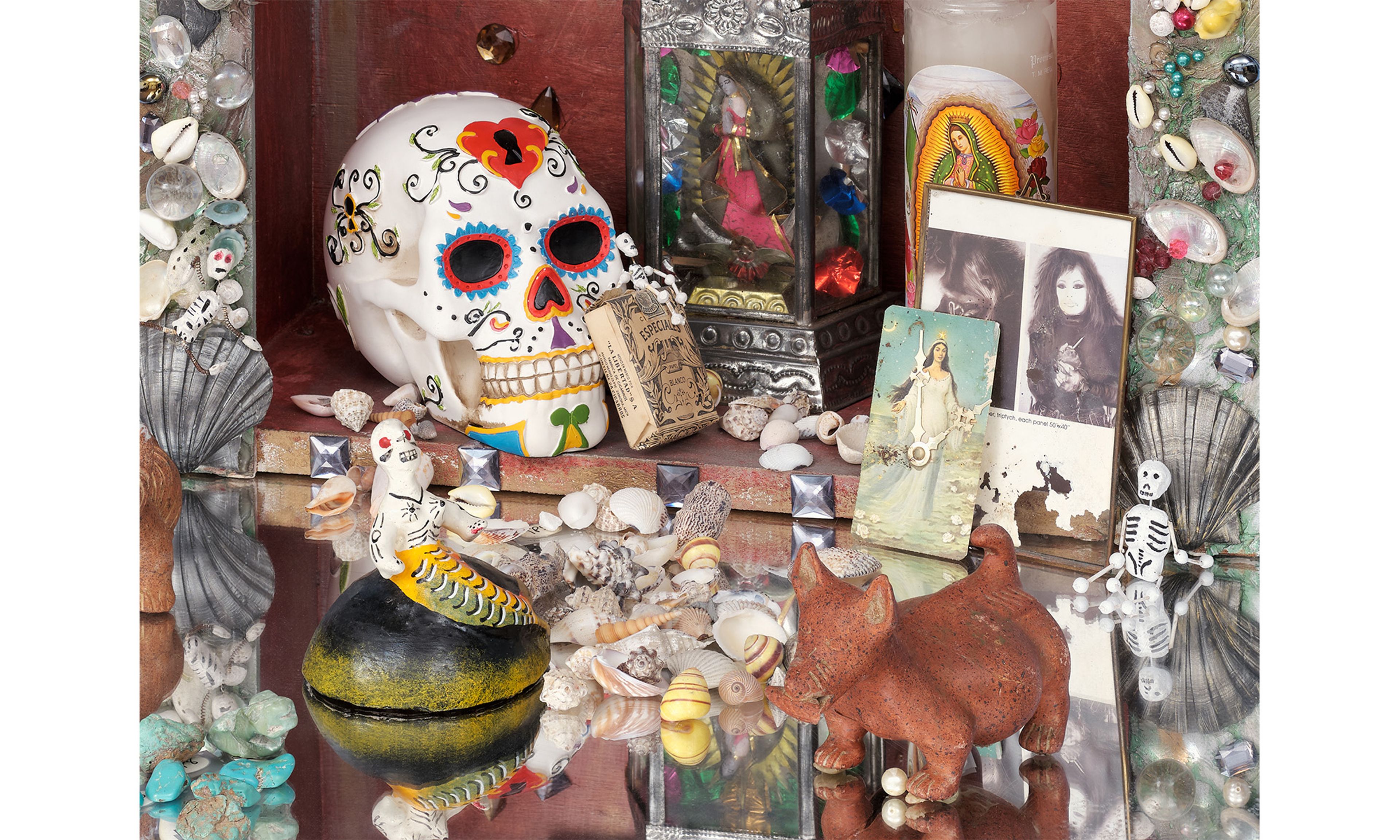
I was in Phoenix in December for a board meeting. I’d never been there. In Ye Olde Vermont, where I live, we rarely see the sun after Halloween. We get our treats earlier in gorgeous fall color for a couple of weeks but our tricks not too long afterward in sullen, gray skies, cold, snow, ice, and mud lasting, alas, through March. The weather in Phoenix was sunny, warm, and dry, the desert a moonscape, and the sprawl impressive. Mesas are aloof, totemic, and complete. Those shapes must enter the mind through the eyes and promote an acceptance of fate. I love seeing cactuses. They look like Cubist trees.
Two weeks ago I wrote about Taliesin West, Frank Lloyd Wright’s winter home, studio, and think tank near Phoenix. I learned about it years ago, strange to say, not because of Wright but because of Stalin’s daughter, Svetlana Alliluyeva, who lived there after she sensationally defected and soon married William Wesley Peters, Wright’s protégé and acolyte. Wright’s widow, Olgivanna, had introduced the two, believing — and this is the weirdest thing in Wright Land — that Svetlana was the reincarnation of her own daughter, also named Svetlana, who’d died in a car crash years before and who’d also been married to Peters.


Comments