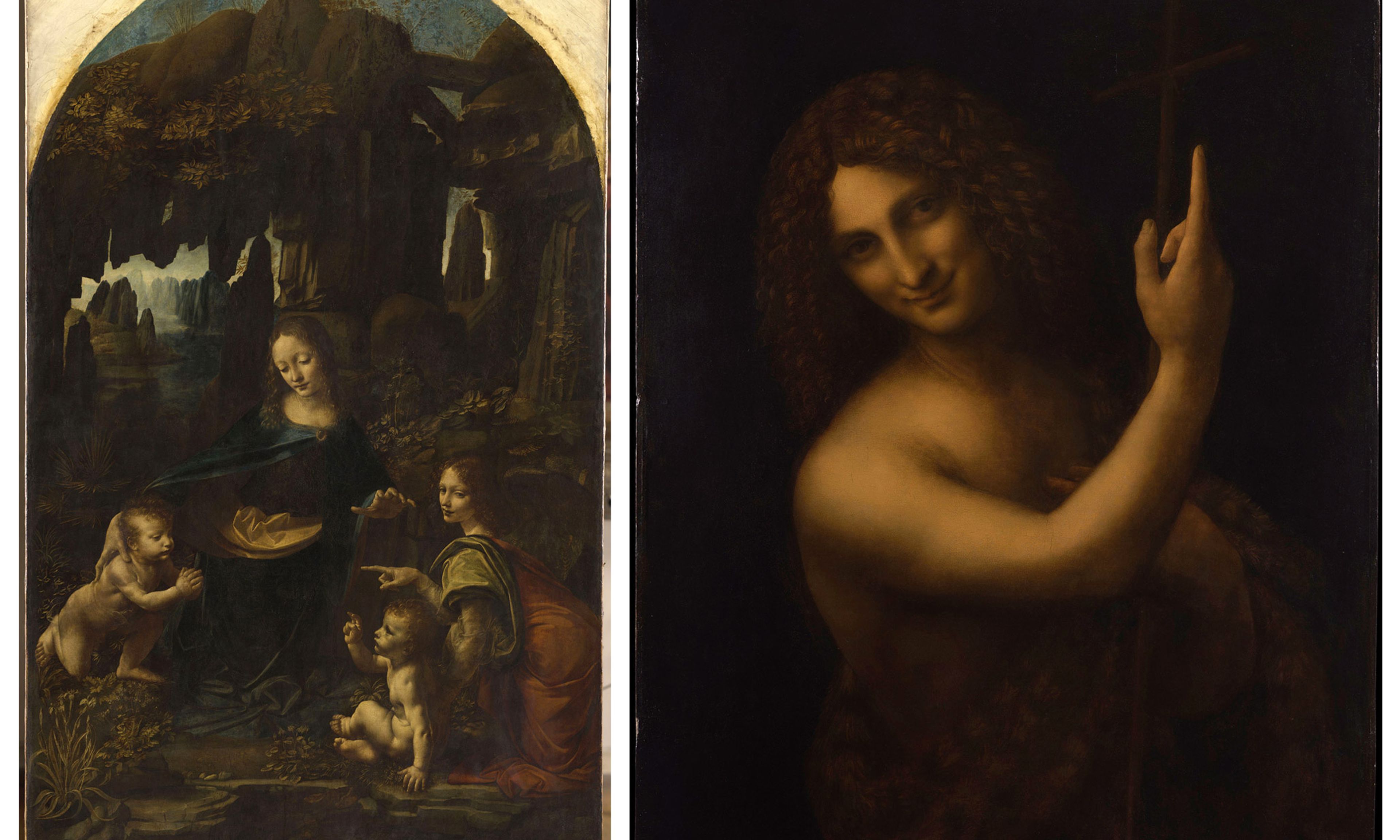
The Louvre’s retrospective of the career of Leonardo da Vinci (1452–1519) addresses what might seem an odd question but isn’t. Why was he the most famous and esteemed artist of his age and every age since his death 500 years ago?
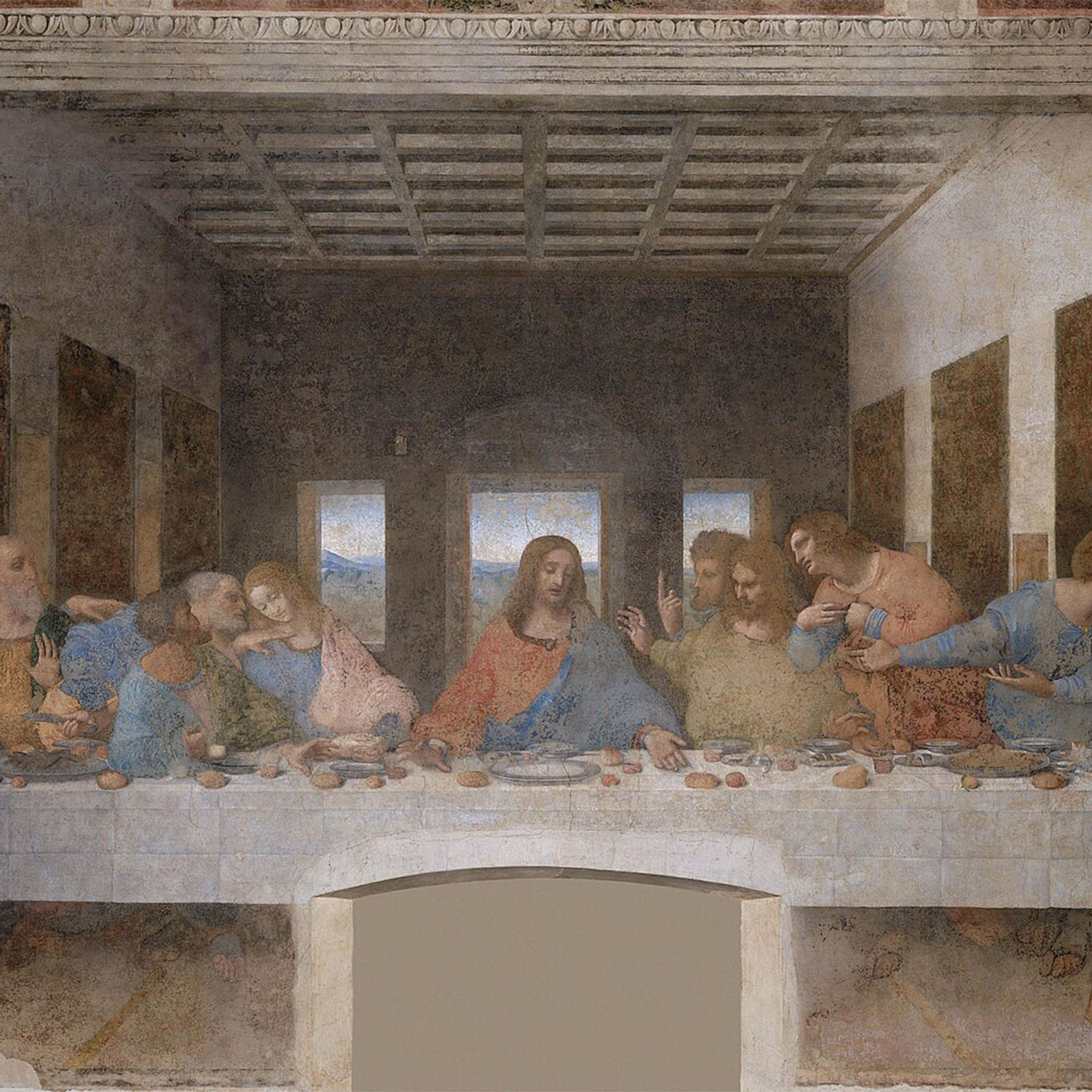
The Last Supper rocked the art world in 1498 when Leonardo painted it on the wall of a convent dining hall in Milan. His conception was both revolutionary and instantly acclaimed, shocking since the convent was an obscure site, and he worked long before the age of mass dissemination of images. He fashioned himself as a scientist, but his bungled mix of oil paint and unfriendly layers of plaster created a fugitive surface that quickly flaked. Within a few years, it was a ruin but was still more famous than the Parthenon. La Giaconda, or the Mona Lisa, painted between 1503 and 1506, is indeed lovely and cryptic but why does a half-length portrait of a minor dignitary draw people like bees to honey, not just now but over centuries?




Comments