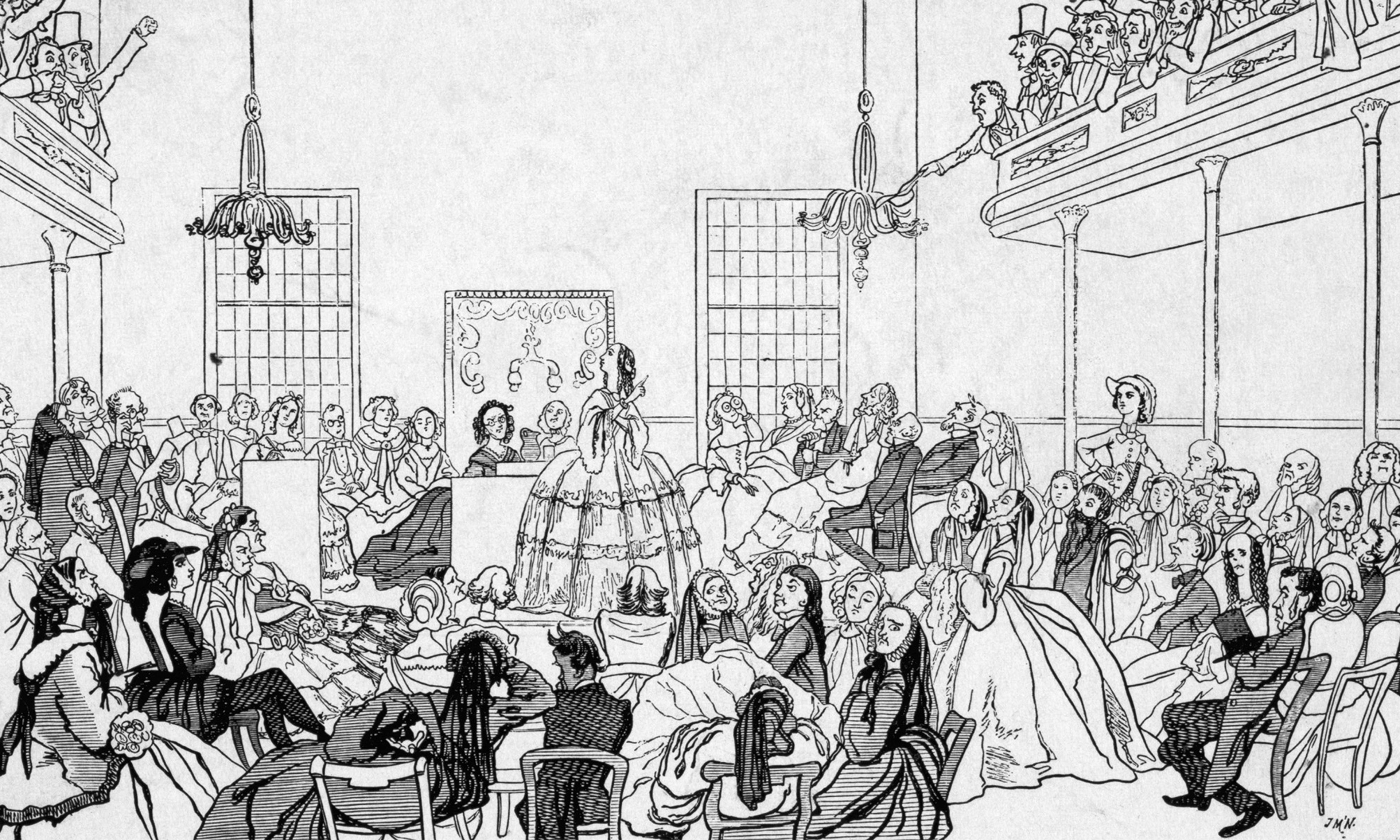
On July 19, 1848, hundreds of women and men met in Seneca Falls, N.Y., to establish what would become the first wave of the feminist movement. By the time it was finished the next evening, the Seneca Falls Convention had produced a Declaration of Sentiments, modeled on the Declaration of Independence, which articulated the principles of gender equality that would guide the new movement as it fought to secure voting rights for women over the next seven decades. The convention’s attendees didn’t know it at the time, but they’d just fired the opening salvo in a campaign that would ultimately lead those rights to be enshrined in the Constitution, with the passage of the 19th Amendment in 1920.
Visit the website of almost any pro-abortion-rights group today, and it will claim that the group is working in the tradition of the great heroes of Seneca Falls. But many of the feminists who attended the convention that July would have found the efforts of these groups horrendous: The most famous early suffragettes were vehemently opposed to abortion, and saw their belief in the dignity of the unborn as an essential part of their activism.




Comments