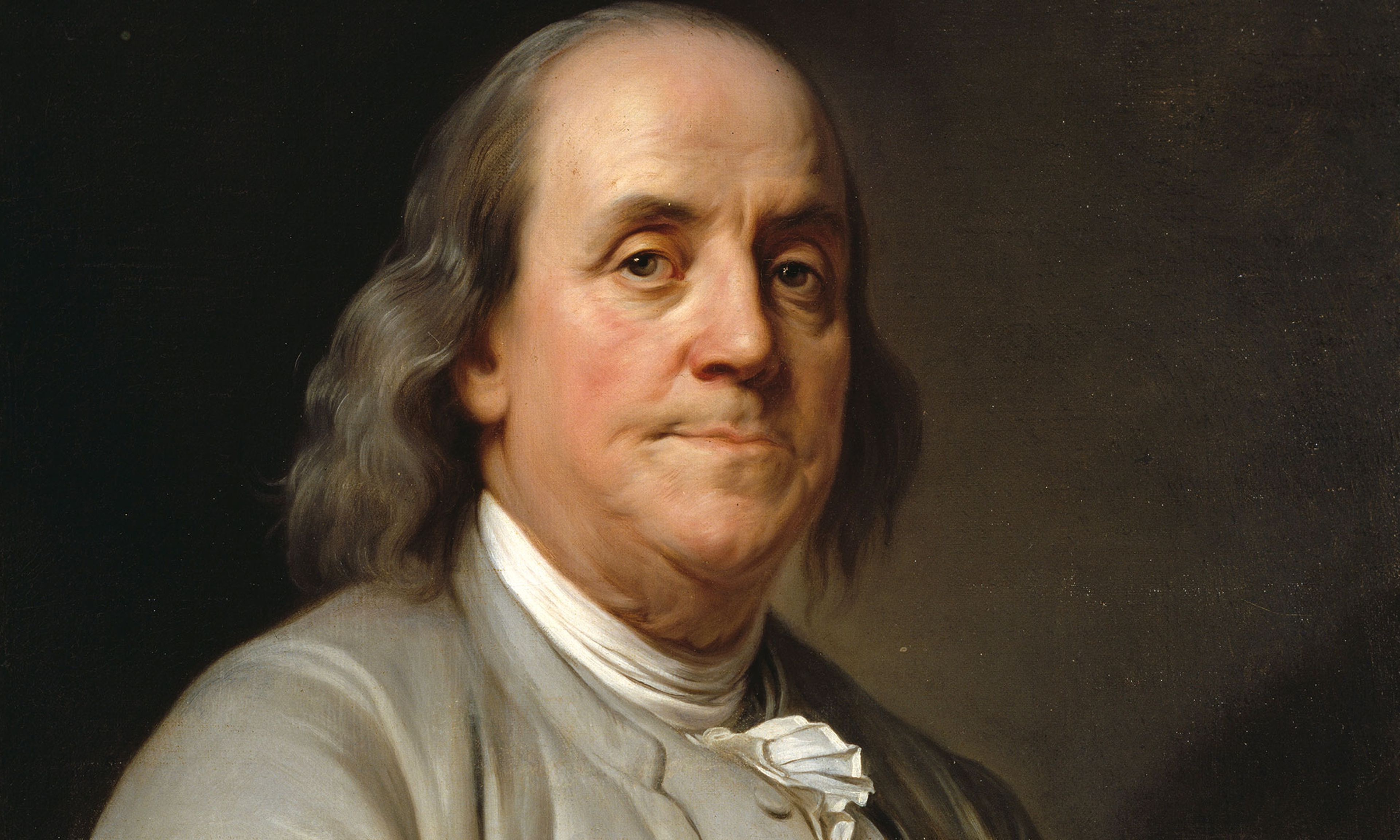
On June 21, 1776, Thomas Jefferson presented Benjamin Franklin and John Adams with his first complete draft of the Declaration of Independence. Franklin’s role at that critical hour — which marked his return to the deliberations in Philadelphia after arduous months away on a journey that nearly killed him — reflected the great prestige that he brought to the cause of independence. In 1776, at 70 years old, Franklin was the most famous man in America, and the most prominent and respected American in the world. And by now, he was a rebel against his king.
A man of status and reputation elevates such an endeavor. That was true in the Civil War of Robert E. Lee, who lent a dignity to perceptions of the Confederate cause that it would otherwise have lacked, given the contrast between Lee’s gravitas, family name, and long service in the national army and the quality or pedigree of many of the other Confederate leaders. For Franklin, long esteemed in England, France, and the German states and with a son in the king’s service as a royal governor, the decision of a man so wise to put so much at risk was a public symbol of the seriousness of the patriot cause.




Comments