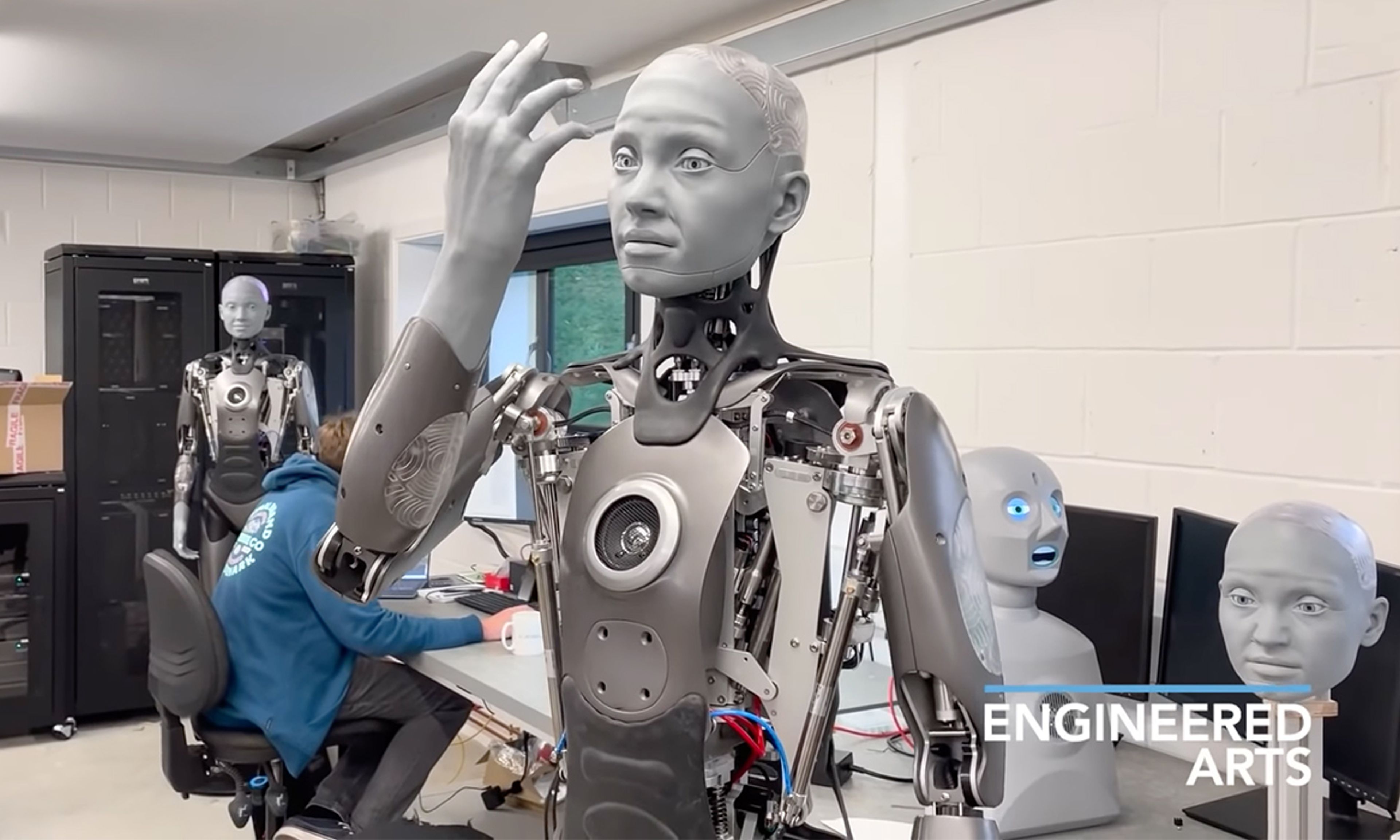
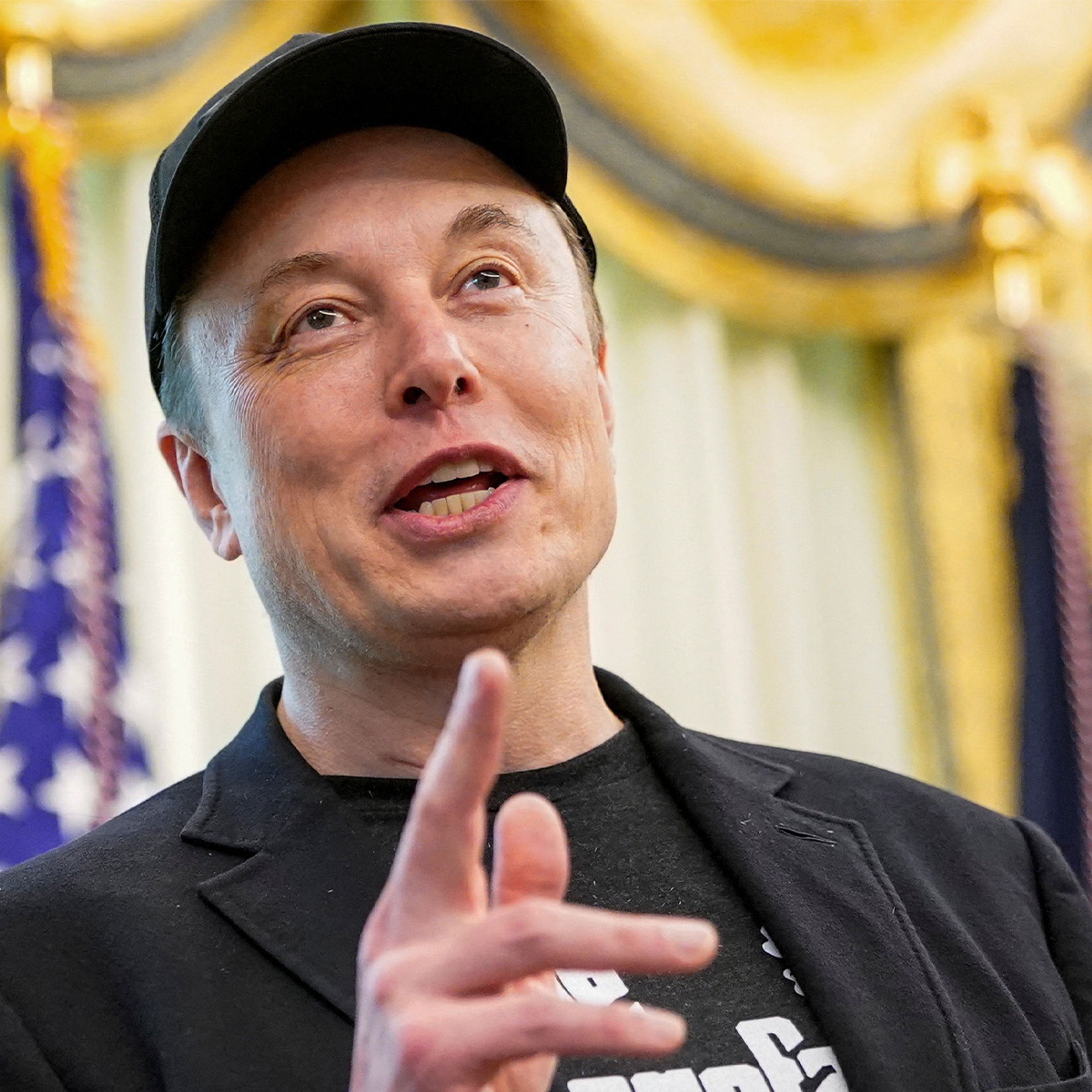
The robot’s eyes open, as if it’s waking up for the first time. It looks around, confusion and wonder in its lifelike eyes. It brings a hand up to its face, giving a glance that says it’s never seen itself before. The robot’s name is Ameca, and the world met it in a video released late last month. When Elon Musk saw a similar robot made by the same company a few days later, he declared: “Real androids are coming.” A longtime critic of artificial intelligence, Musk speaks for the countless people who fear a future defined by this beyond-cutting-edge technology.
That fear has been around for more than 50 years, when Stanley Kubrick depicted AI as a mortal threat to mankind in 2001: A Space Odyssey. (Similar anxieties can be seen earlier, in Mary Shelley’s Frankenstein.) It has gained ground as AI has developed, and machines are now increasingly demonstrating the ability to create and execute complex tasks without human interaction or direction — the definition of artificial intelligence. A rapidly growing number of people now earnestly wonder: What will AI do to society?

Comments