Here is what I would like to happen in Ukraine:
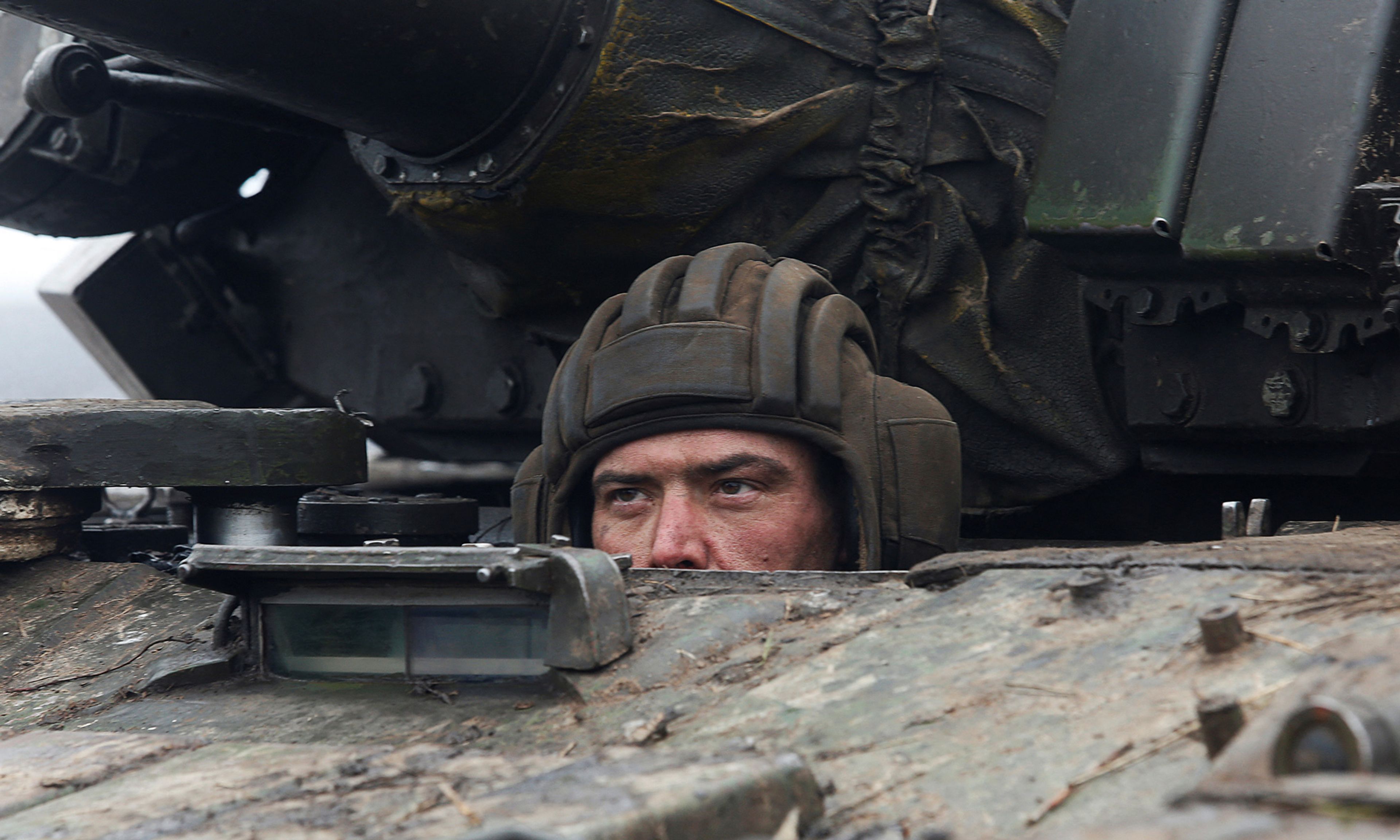
Outraged by Russia’s aggression, armed Ukrainians in both the country’s military and its spontaneously formed civilian militias are able to fight hard enough in all regions that the demoralized and confused Russian army retreats with its tail between its legs. Appalled by the spectacle, and vowing “never again,” the international community comes together to turn Russia into a pariah state — limiting its access to international institutions, weakening its economy, draining the country of talent, and making Vladimir Putin’s position untenable even within his own circle. Alarmed by their vulnerability, previously unreliable nations such as Germany commit to increasing defense spending and to taking NATO more seriously. In the West, the tales of Ukrainian bravery become the stuff of legend, and in Ukraine, President Zelensky cruises to reelection as the new symbol of national resolve. In casual conversation, “Zelensky” and “Putin” become avatars of Good and Evil, while “invading Ukraine” becomes colloquial shorthand for “doing something stupid.” Putin is forced out of office, and Russia reforms itself. The experiment is universally deemed to have been a failure, and we learn that, despite all odds, the world has changed substantially since the mid 20th century.





Comments