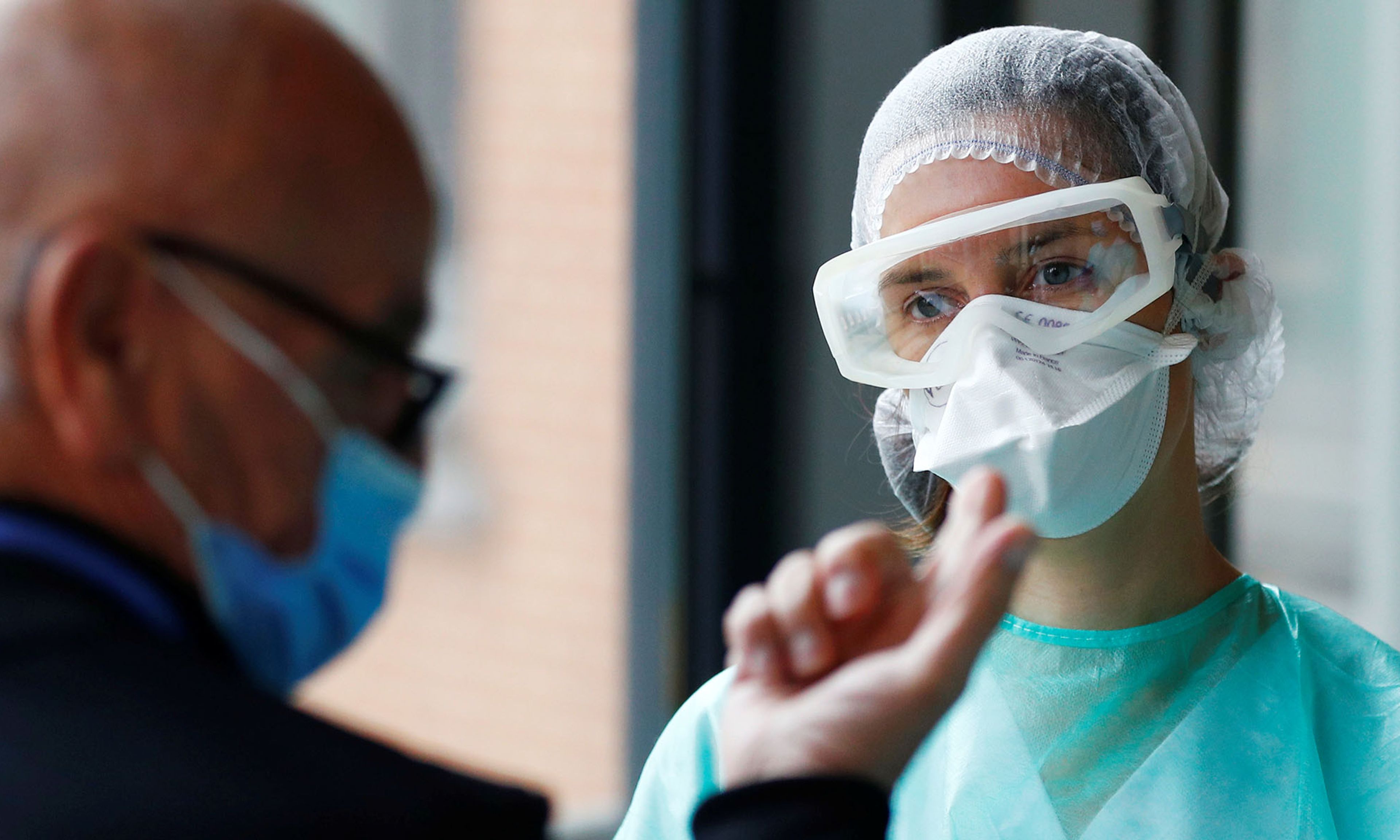
Life won’t completely return to normal while the novel coronavirus remains a threat to health and to life. More than 60,000 Americans have already lost their lives to this virus; while older people seem especially vulnerable, the virus has demonstrated its ability to kill people of all ages. Even as the country edges back to work and school, there’s a palpable anxiety. We don’t want to get infected, and we don’t want to infect others.
The most appealing solution would be a transformational treatment that immediately neutralized the threat. This would most likely be in the form of a vaccine, a preventive approach currently used against viral illnesses including polio, measles, mumps, rubella, hepatitis A, and hepatitis B. According to the Milken Institute, nearly 100 potential vaccines for COVID-19 are “in development,” some by big pharmaceutical houses such as Johnson & Johnson and Pfizer, others by smaller biotechs such as Moderna.




Comments