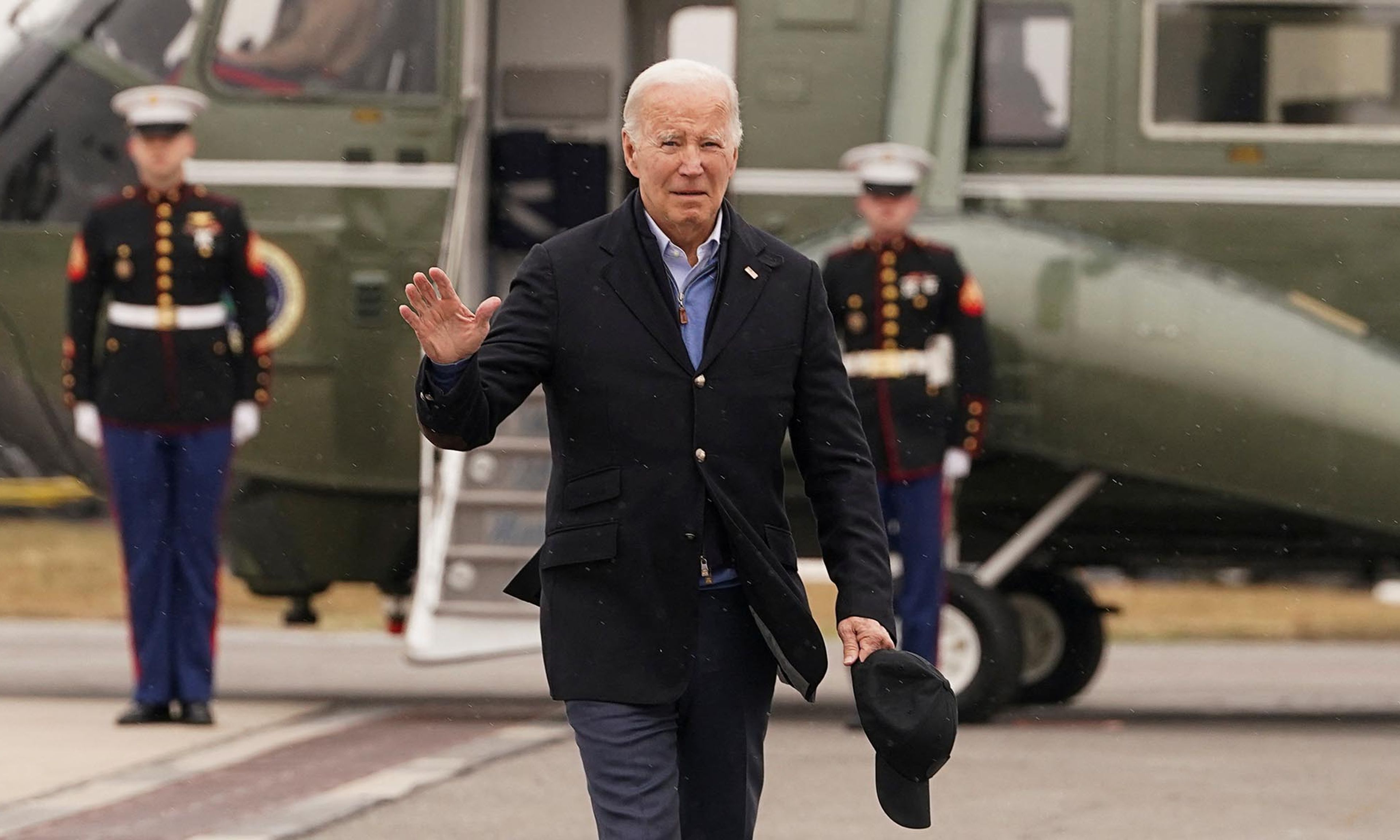
In an old story, a psychic tells a man that he will die because of water. Fearing the sea, the man relocates to the desert. There, he dies from thirst. What one wishes most ardently to avoid can twist into one’s fate. The late January killing of three U.S. servicemen in Jordan by Iran-backed proxies was a predictable outcome of the Biden administration’s fear of escalation, which resulted in . . . escalation. Forced to act, President Biden responded. But there will be more such cases, because weeds do not stop growing unless pulled out by the roots — and Iran is the root of the proxy attacks.
Iran’s proxy campaign against the U.S. and Israel rests on a theory of strategic unification. Iran’s proxies link together the different theaters in the Middle East, creating a coherent, unified threat that simultaneously deters U.S. and Israeli action while imposing costs on both Jerusalem and Washington. The U.S. response should be to impose Iran’s strategic logic in reverse, punishing Iran for its disruption in the Red Sea and Iraq through pressure on its assets in Syria. This would meaningfully degrade Iranian combat capacity, signal America’s willingness to escalate, and come with only limited risk of strategic reprisals.




Comments