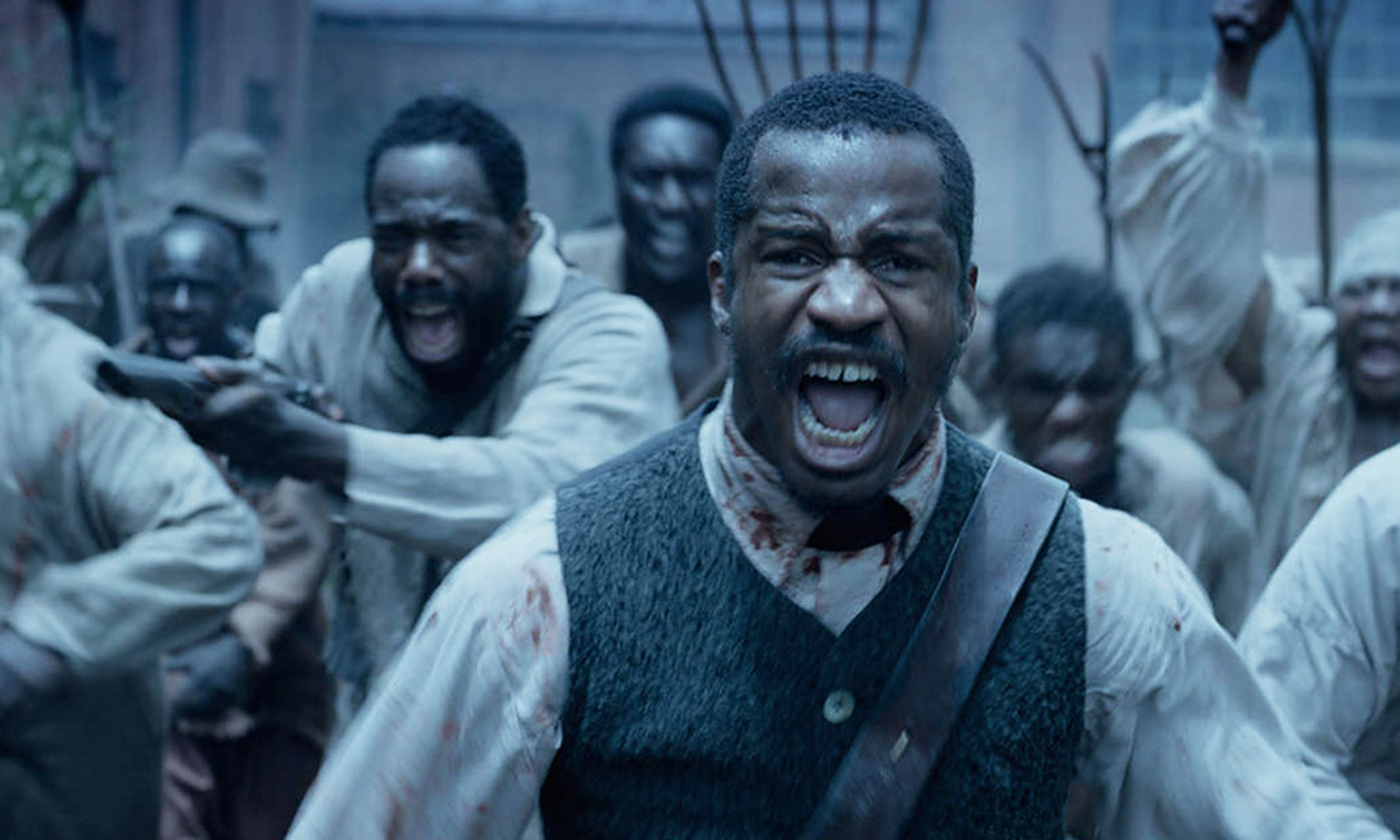
Nate Parker’s The Birth of a Nation simply isn’t emotional or visionary enough to erase the impact and importance of D. W. Griffith’s 1915 The Birth of a Nation. It takes more than chutzpah to make a great movie or to overrun the contradictions accumulated around a film that did more than tell a one-sided story but revealed the enormous ambition, the deep, enraging imperfections, and the idiosyncrasy of America’s racial heritage. Parker’s attempt to elevate the 1831 insurrection and mass murders by the black slave Nat Turner suggests a juvenile, way-late, equal-time riposte — as if to answer Griffith’s old slander with an even older, bloodier slander. Sadly, it proves Parker doesn’t understand either Griffith’s film or Turner’s revolt.
Even though Turner acted out the savagery that Bernie Sanders supporters never connect to the buzzword “revolution” (William Styron controversially narrated Turner’s uprising in his 1967 novel The Confessions of Nat Turner), Parker depicts the slave rebellion as an inevitable redress of evil. (He trades Griffith’s artistically innovative eye for his own jaded indie-movie eye. The white villains seem colorless and the black victims seem featureless.) Through Hollywood-style and Obama-era egotism, this angry, naïve epic about what was actually a failed insurgency is both Parker’s Reds and his self-martyring Braveheart. Lacking both radical form and revolutionary content, it’s an overinflated action movie.





Comments