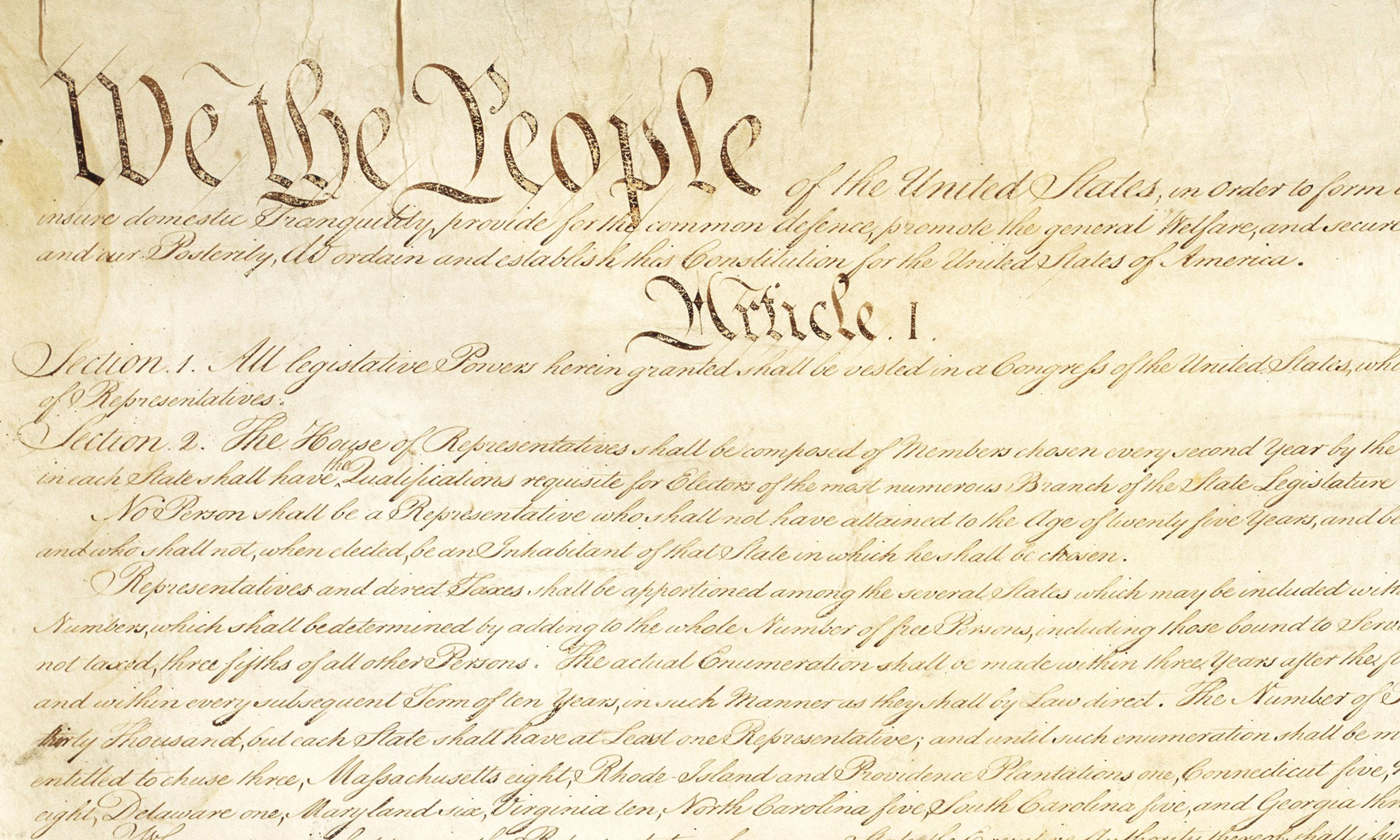
Shortly after the Constitution went into effect, the first Congress enacted a naturalization law. Lawmakers superseded this statute just five years later. Both provisions derived from the Constitution’s grant to the legislature (in Article I, Section 8) of the power “to establish an uniform Rule of Naturalization.” That grant, along with these naturalization statutes of 1790 and 1795, edifies us about the Framers’ conception of citizenship, and of the status of aliens and their children.
Status questions about the children of aliens have moved to the fore in recent months. Central Americans, enticed by laws that perversely incentivize illegal immigration, have sought entry en masse at our southern border. This week, with an oncoming “caravan” of migrants galvanizing President Trump’s base on the eve of the midterm elections, these questions have stoked a heated debate — with all the shopworn smears of racism and bad faith that are now staples of American public discourse.




Comments