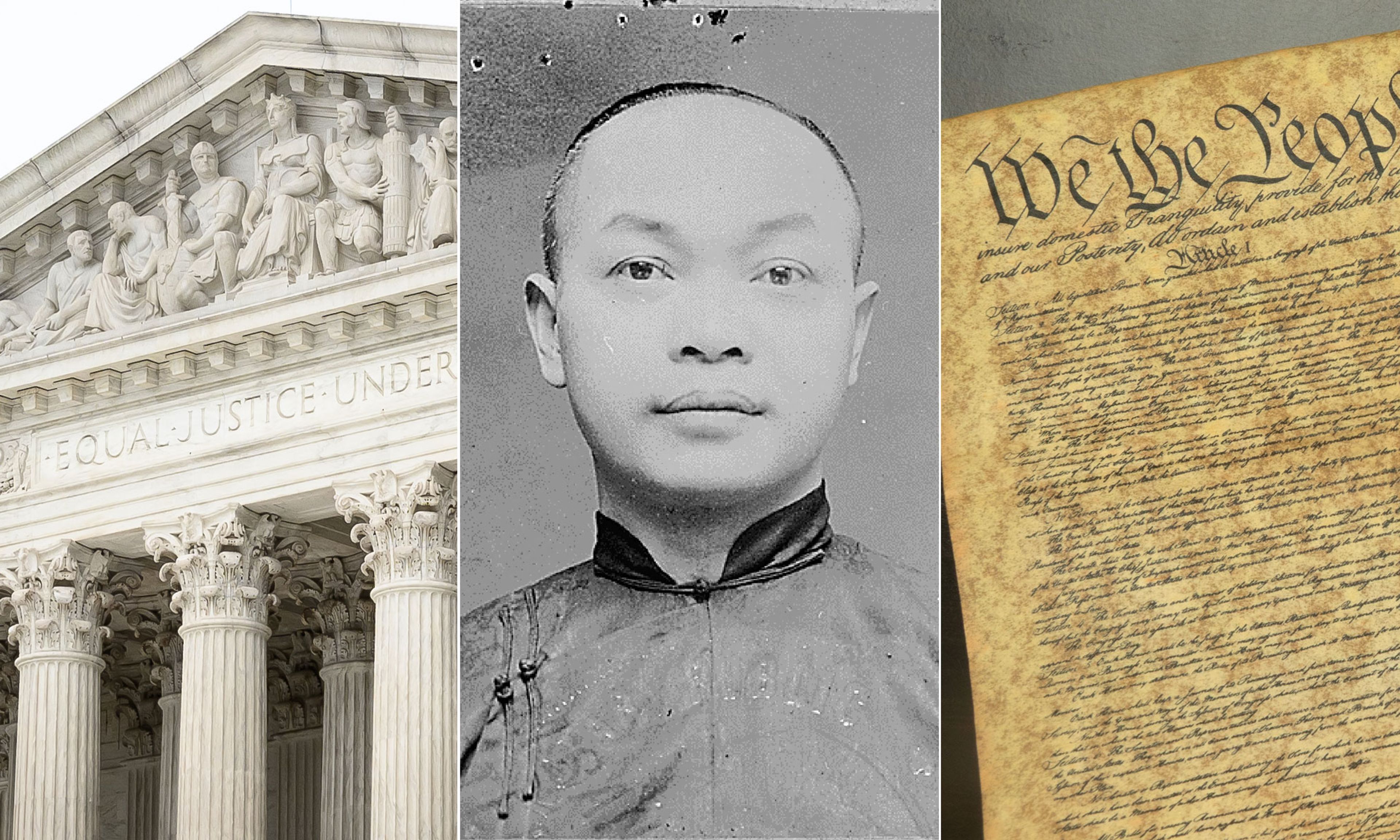
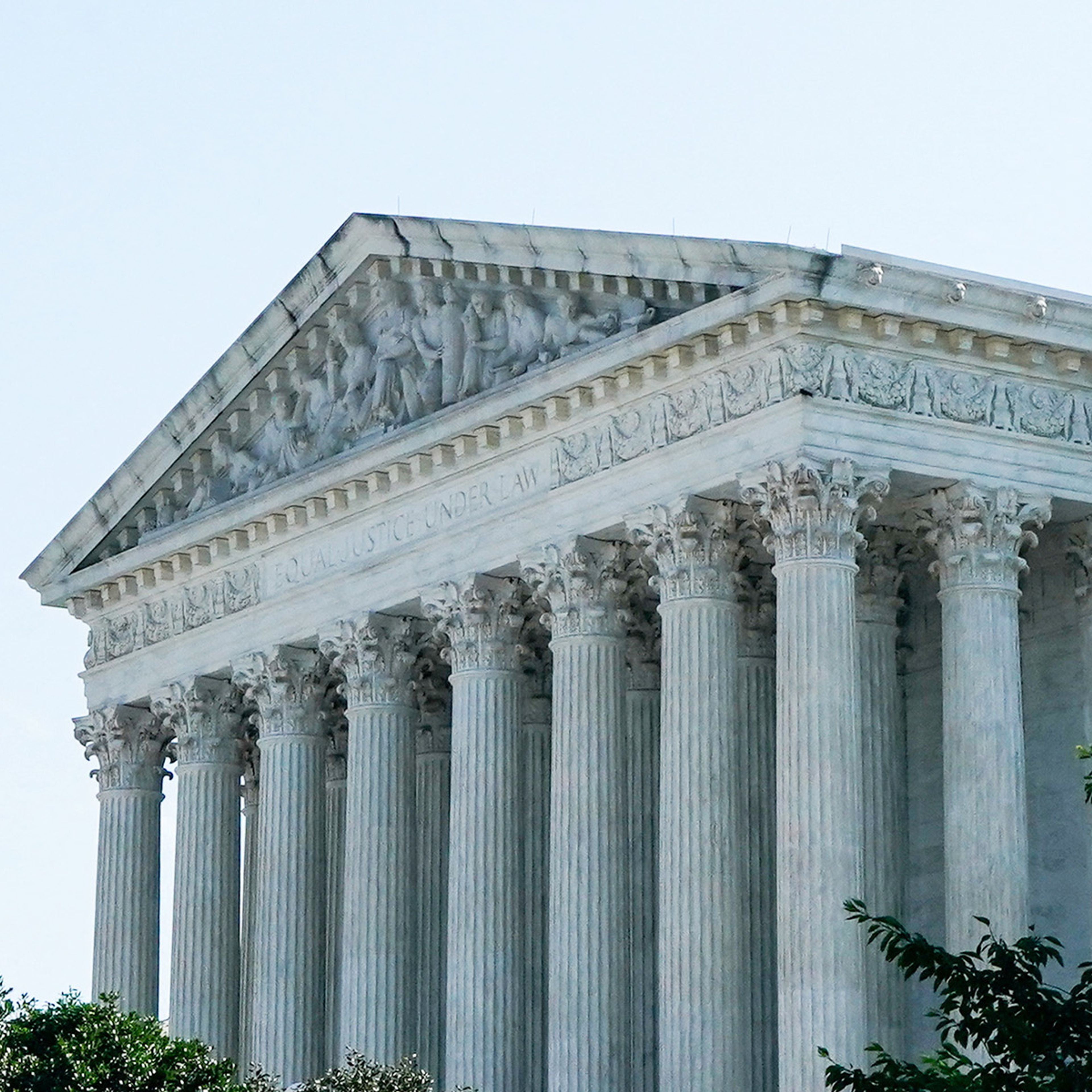
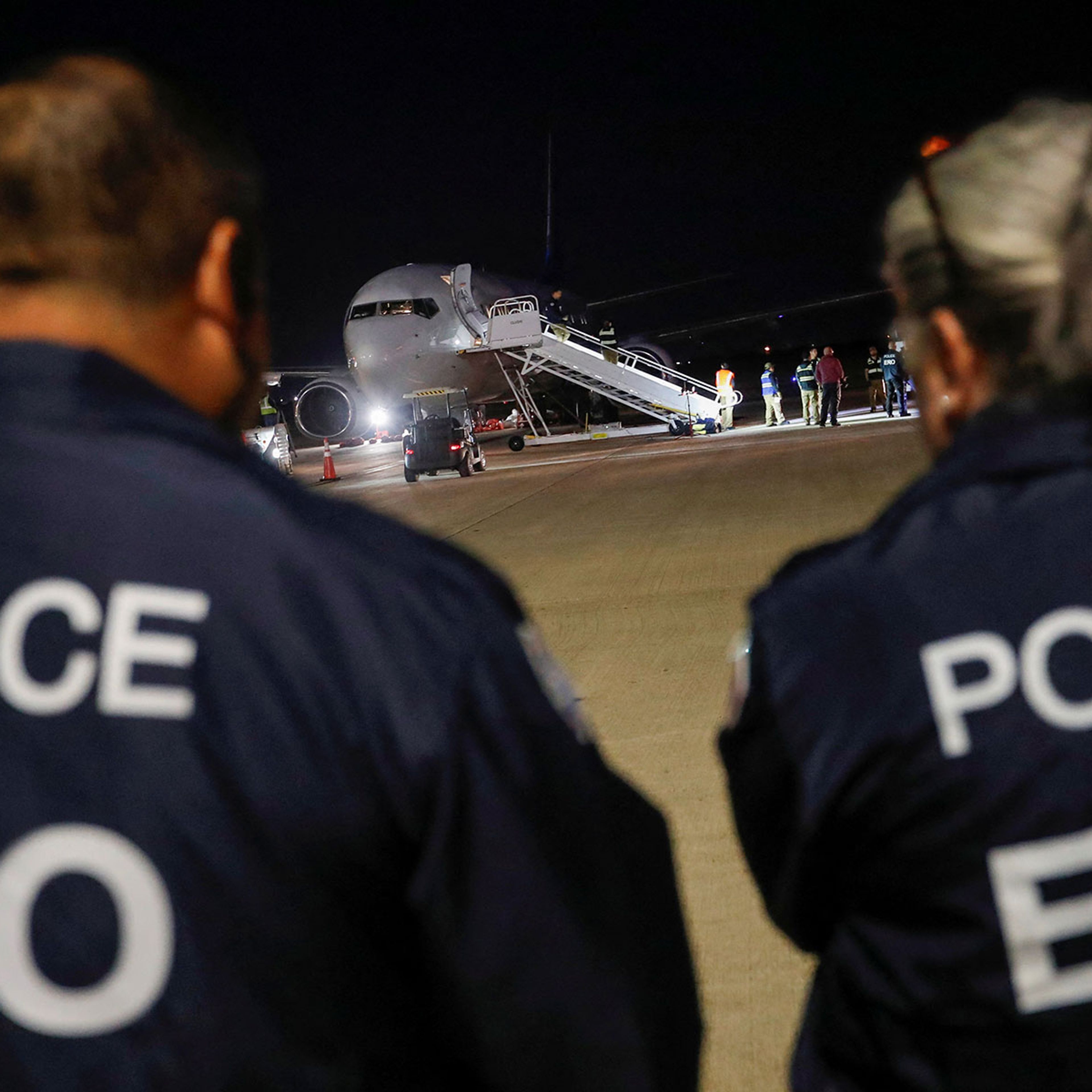
The Supreme Court will hear arguments this morning in Trump v. Barbara, the birthright citizenship case. It arises from a Trump executive order excluding from birthright citizenship the children born here of two classes of parents: illegal aliens and transients through the country, i.e., people who have never established a residence in the United States. These are sometimes colloquially referred to by critics as the “anchor baby” problem (illegal residents having a citizen child) and the “birth tourism” problem (pregnant foreigners coming here to endow their children with American citizenship).
There are weighty policy arguments on both sides. Birthright citizenship has important virtues: It is administratively simple, it reflects our republican ideals of citizenship as a thing not derived from ancestry or blood descent, and it precludes the creation of a multigenerational class of second-class helots on our shores. The two latter concerns animated the Republicans who drafted and ratified the citizenship clause of the 14th Amendment in 1866–68, with the primary purpose of ensuring citizenship for freed slaves and their children. It also has important drawbacks, which once led even leading Democrats to call for its restriction: It encourages illegal immigration and allows the accidents of birth to deprive our sovereign government of choices in whom it permits to attain citizenship by right rather than by merit.



Comments