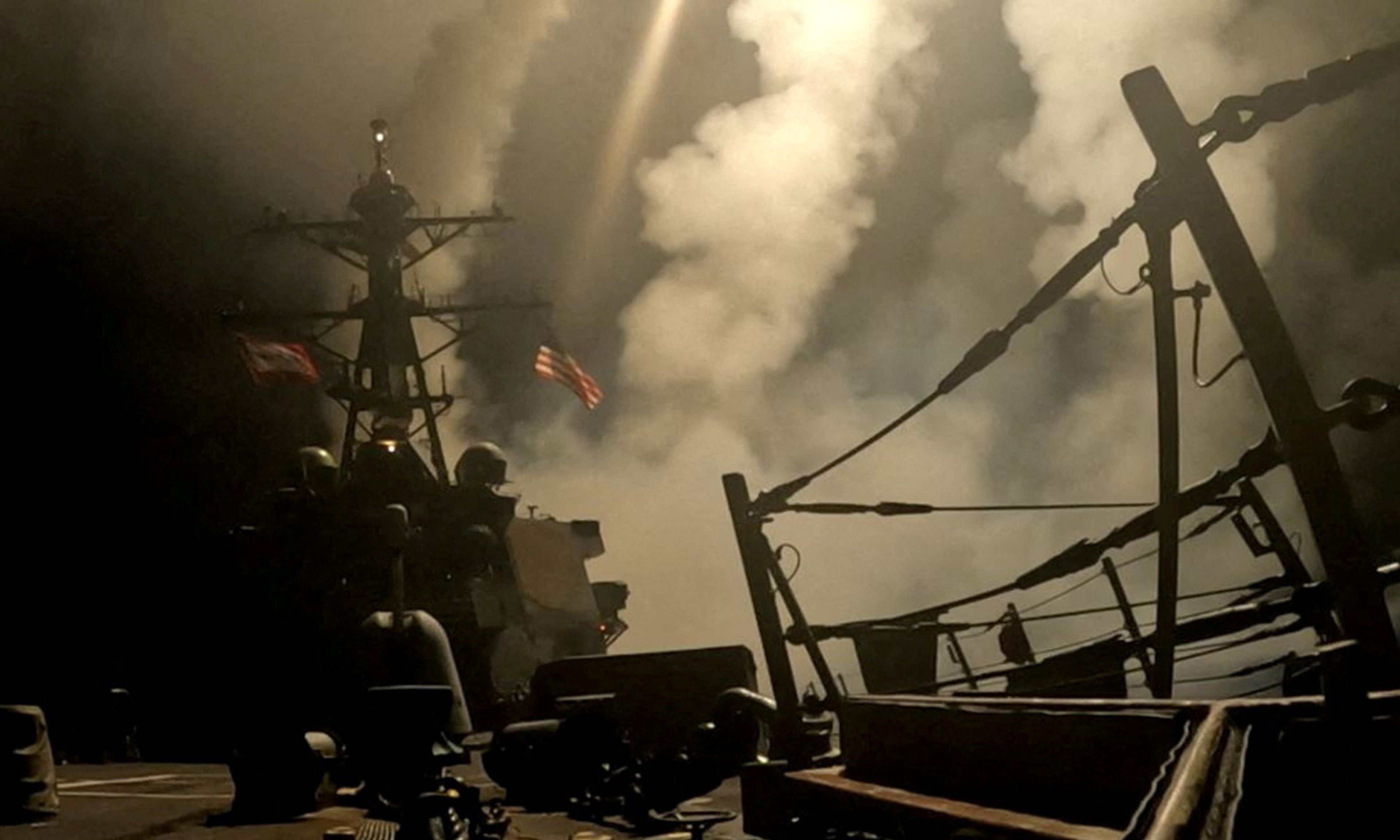
Has there ever been a case for American military action as strong as the case for our hitting the Houthis? Pick an ideology or worldview at random, and you’ll find that the cap fits. The internationalists ought to be happy that the federal government is protecting trade. The nationalists ought to be happy that the federal government is retaliating against attacks on U.S. Navy assets. If consumer inflation is your preoccupation, this helps. If respect for the United States is your concern, this works out. If you want an interventionist government, you’ll like it by default. If you want a government that acts only in extremis, this counts. It is a self-evident, slam-dunk, literally-what-the-government-is-for sort of move. This is the bare minimum, the sine qua non, the foundation atop which all else is built. We have robust arguments in this country about what Washington, D.C., ought to do, but there is no useful conception of a national ministry that does not involve the protection of American ships. The federal government has engaged in this activity since the first Jefferson administration. There is no reason for it to let up now.
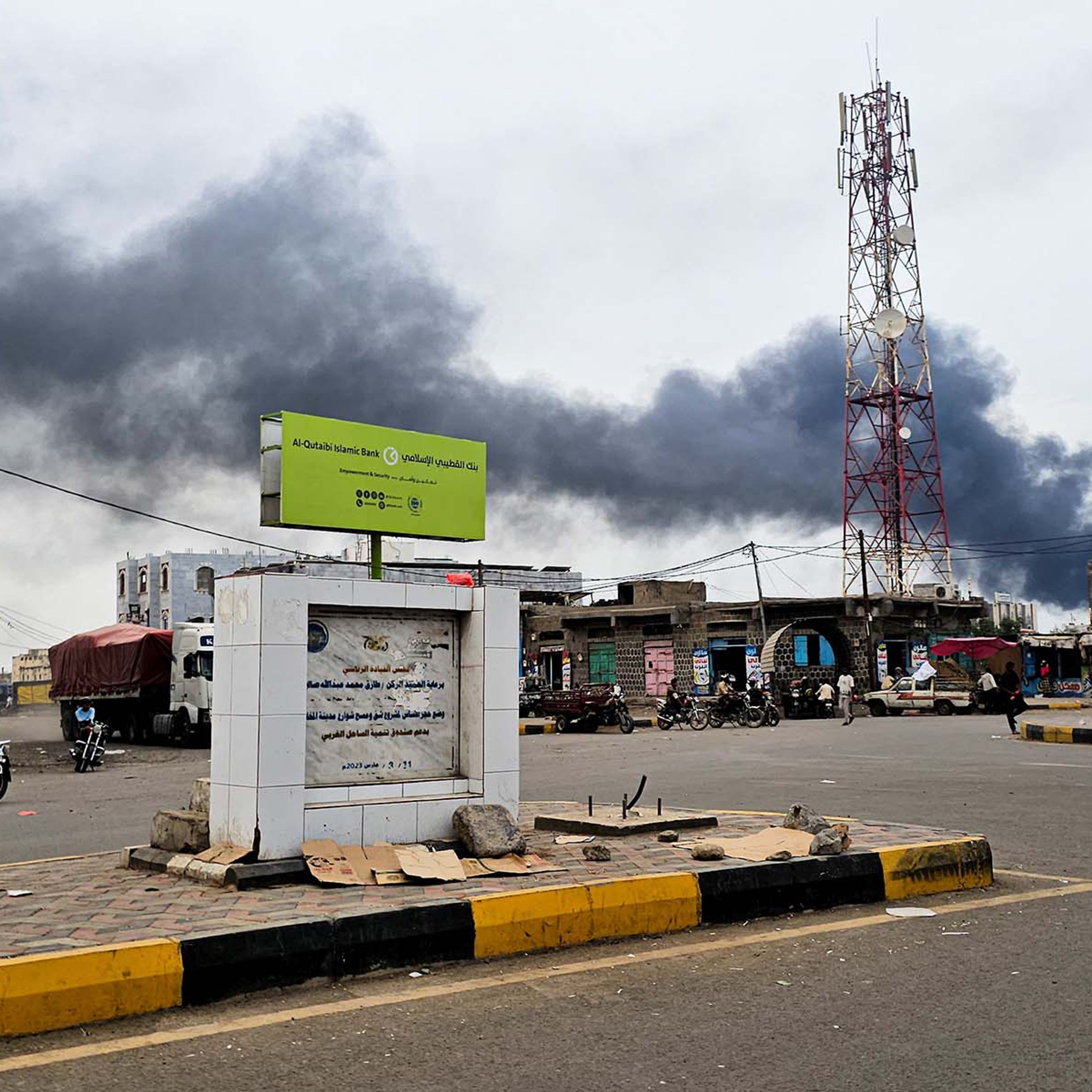
The New York Times reports that the Houthis have “disrupted” the “international shipping lanes in the Red Sea” for “months” on end, and, in particular, that they have attacked “shipping lanes connecting to the Suez Canal that are critical for global trade.” Even if American ships had not been targeted, this would represent a problem for the United States, which, since 1945, has taken over the indispensable role of global naval hegemon that, since 1805, had been played by the British Empire. It is tempting to imagine that the current state of the world is a permanent feature of the state of nature — or even that it was foreordained. It was not. Rather, our current system is the product of concrete choices. It is an overstatement to say that the world order between the Battle of Waterloo and the present day is primarily the result of Anglo-American naval preeminence, but it is not too much of an overstatement. The free movement of goods and people that so many of us take for granted is the direct consequence of a morally virtuous country being the most important player on the world stage. Put any other nation in that position — be it China, Russia, or even France — and things would look rather different. If the United States wishes to preserve the status quo — and it ought to, because it benefits immensely itself — it needs to intervene against its threats.


Comments