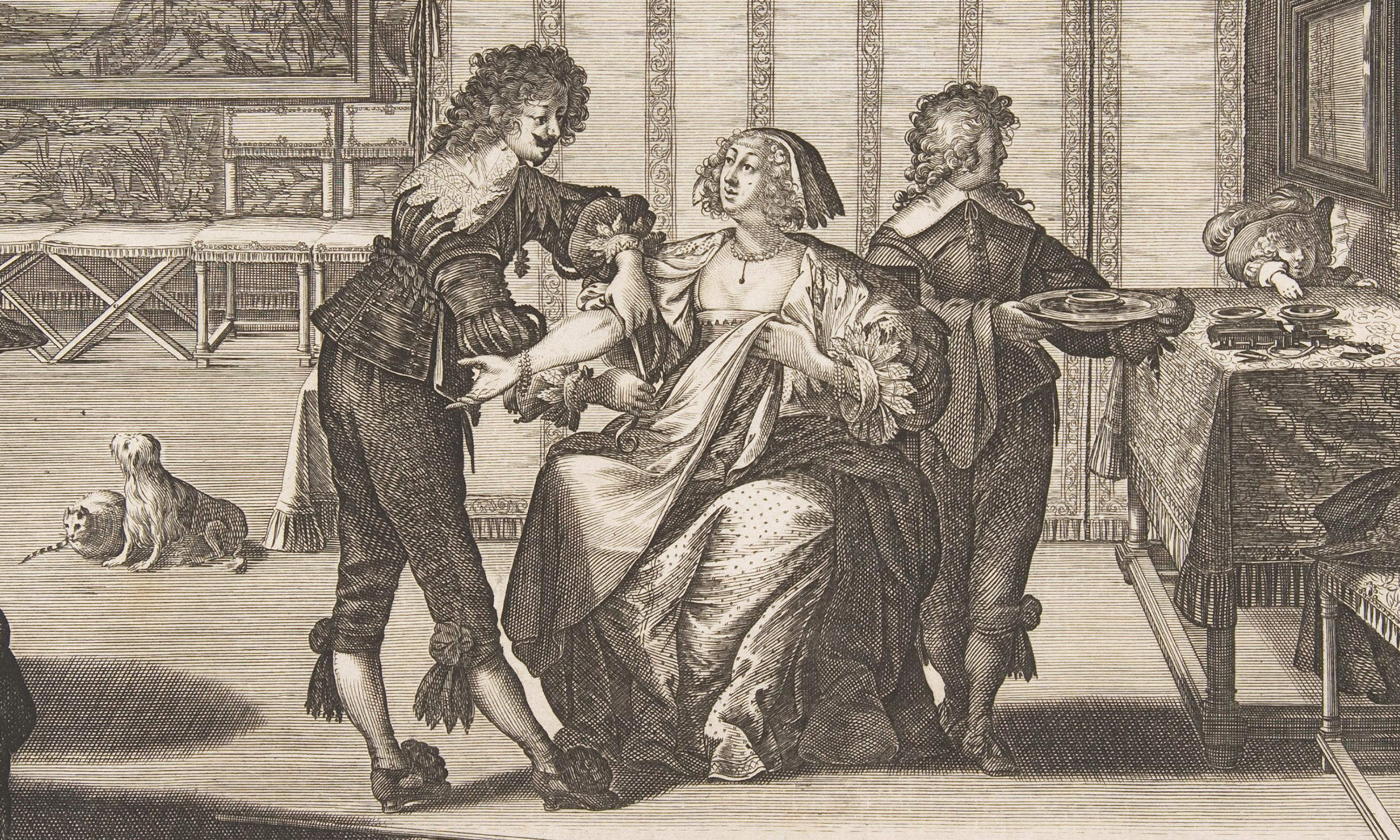
Depicting 40,000 years of medicine in a little over 240 pages, internist and historian Philip Mackowiak offers an accessible and comprehensive survey of life, death, and doctoring in Patients as Art. Rather than presenting a weighty chronology of medicine marching indiscriminately over millennia, Mackowiak focuses on sources of illness to introduce readers comprehensively to practical, cultural, and historical elements of the medical world. Foundational topics in medicine are introduced, ranging from nutrition to genetics; medical activities such as diagnostics and therapeutics are covered; and still larger topics in medicine, such as military surgery and public health, are touched on. Over 160 reproductions of paintings, sculptures, and drawings illuminate these subjects with fresh insight, offering the non-clinical eye a sense of the doctor’s clinical gaze, limned by the artist’s perspective.
Whether introducing the 30,000-year-old carved Venus of Willendorf to illustrate obesity and perceptions of body image or using watercolors of faceless South African townships to consider the social determinants of health, Patients as Art is remarkably inclusive, reaching well beyond the war-horses of the Western canon. With a nuanced sensitivity, Mackowiak unpacks pictorial representations freighted with ambiguity and does not shy away from grappling with shifting tastes and morals in the visual and medical arts. Taking note of a solitary tear crossing the cheek of an obese child in Juan Carreño de Miranda’s La Monstrua (the monster), Mackowiak reflects upon how “the artist saw fit to violate the angelic confidence of a small child without refuge . . . by portraying her more as an object of derision.” He uses a hand-colored X-ray combining diagnostic technologies and artistic techniques to explore radiography’s power to disclose secrets.



Comments