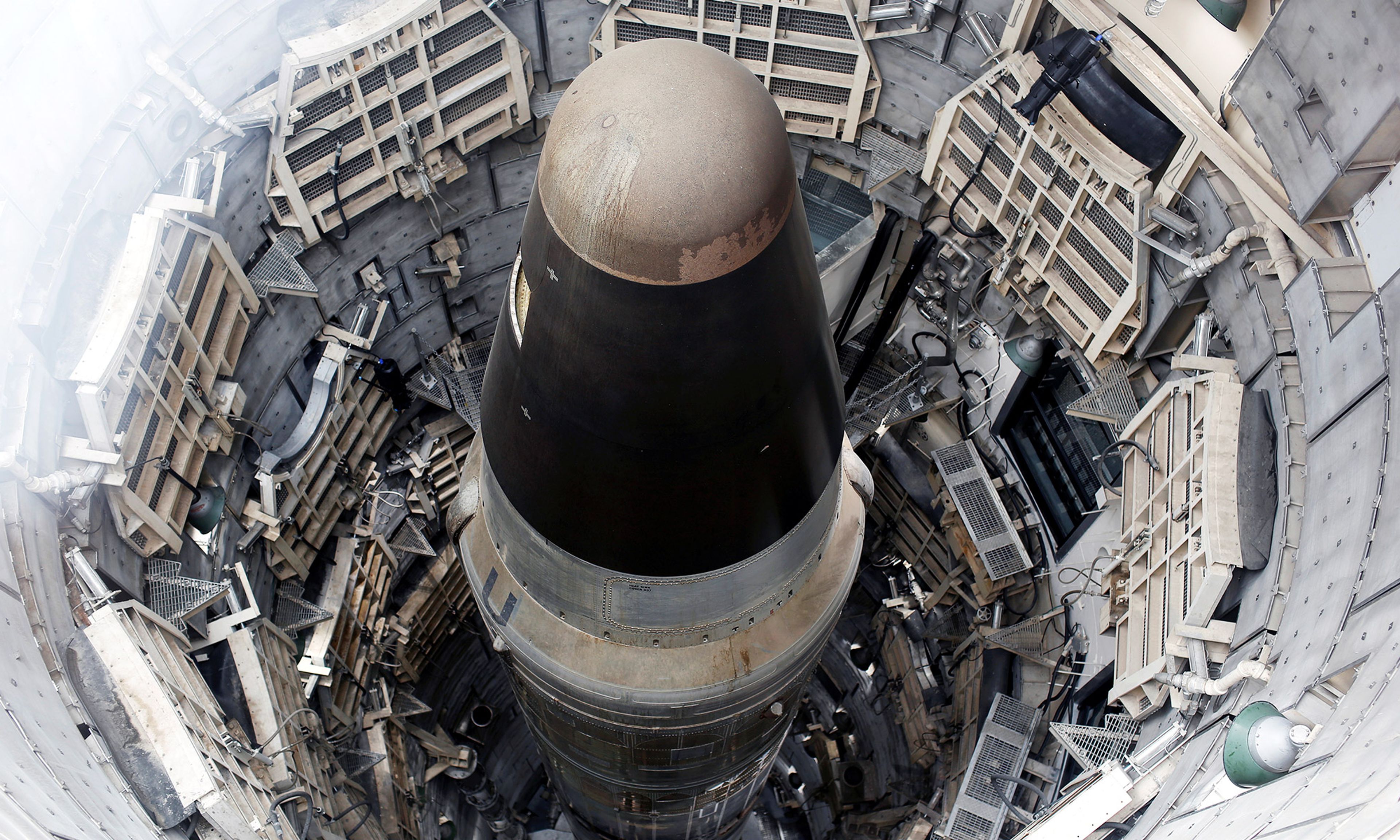
Though Fred Kaplan’s new book The Bomb: Presidents, Generals, and the Secret History of Nuclear War is, for the most part, a history of bureaucratic paperwork, it is, nevertheless, terrifying. It chronicles American war-gaming, as it played out on desks in the White House, the Pentagon, and Strategic Air Command headquarters in Omaha, Neb., with real-world stakes: the potential obliteration of life on this planet. And as Kaplan, Slate’s national-security correspondent, makes clear in his fine, impressively researched book, those stakes are still with us.
The bomb in this book’s title is the nuclear bomb, a weapon that has become increasingly powerful since relatively crude nuclear devices were dropped on Hiroshima and Nagasaki to end World War II. The subsequent Cold War was a catalyst for the evolving sophistication of nuclear weapons and nuclear-war strategies — this despite the fact that most of the civilians involved in nuclear policies, including presidents since Truman, even the so-called hawks, were horrified at the prospect of nuclear warfare. A grave lesson of this book is that possessing a huge nuclear stockpile creates a diabolical paradox: Adding to that stockpile might not deter an enemy state from starting a nuclear war; it could conceivably precipitate one.



Comments