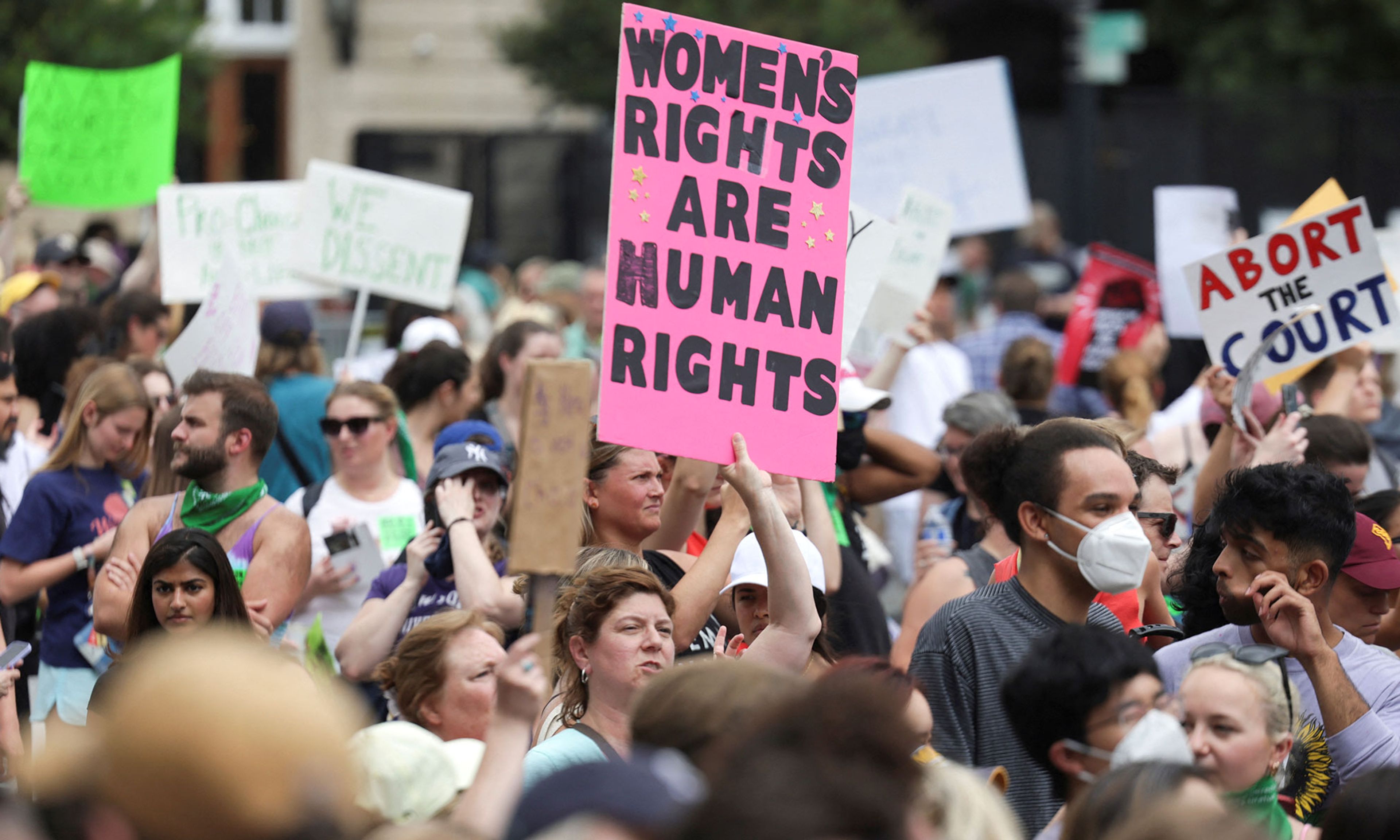
The New York Times has been gathering data that should make every fan of the Dobbs decision take a moment of silence. After the Supreme Court overturned Roe v. Wade last year, abortion restrictions have been passed in dozens of (conservative) states, ranging from total bans to gestational limits. And yet, the number of abortions across the U.S. in the first six months of 2023 has increased by nearly 50,000 when compared with the first six months of 2020. Despite the decreased number of abortions in states with firm restrictions, the surge in states with lax policies has contributed to an overall increase in abortions across the country.
Most National Review readers will be able to guess which states have seen a surge in abortions in the first half of this year (hint: think blue). However, not all such states are Democratic strongholds. Conservative bastions including Kansas and Florida have seen a sizeable increase in abortions as well. Currently, Illinois leads the pack, with nearly 20,000 more abortions recorded in the first half of 2023 than in the first half of 2020. California, North Carolina, and New York recorded around 10,000 more abortions in the same span, and Kansas, New Mexico, Colorado, and Florida recorded around 5,000 more. Across the U.S., states with minimal abortion restrictions have absorbed a new flow of abortion-seekers traveling from states with bans.





Comments