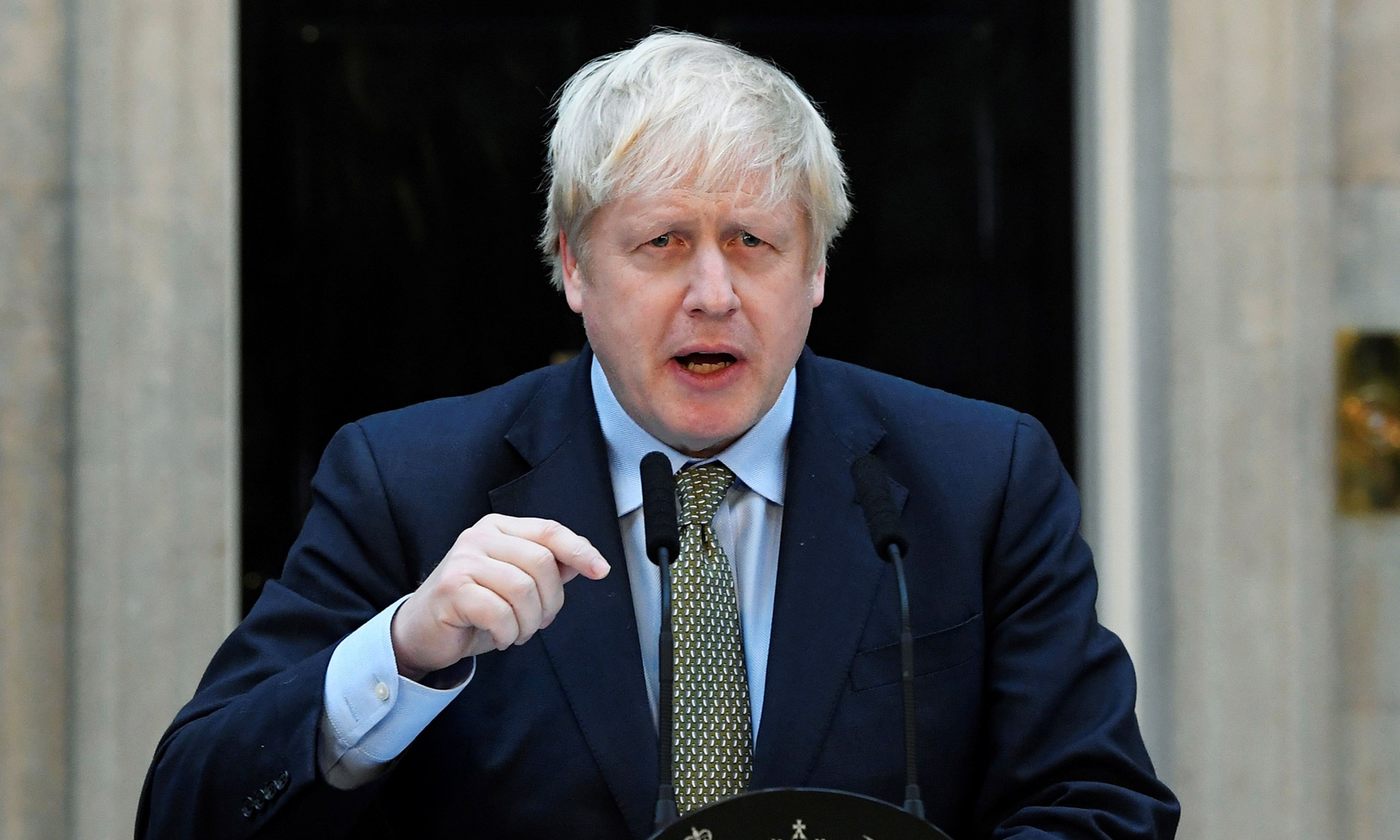
Six months ago, the British Conservative party was planning its own funeral; Nigel Farage had embarked on a sold-out tour of its strongholds, helping to cut its vote share to 8.8 percent in the European Parliament elections. Today, the Tories look to be in the prime of their youth. Boris Johnson has taken them to their fourth straight general-election win, the first time in British history that a governing party has increased its share of the vote in four consecutive elections. They now have a mandate for five years of majority government — and, judging by Johnson’s recent pronouncements, he thinks that they’ll have at least five more after that.
A great deal of thought has already been dedicated to figuring out just how the Tories did it. The consensus is that a fusion of Brexit fatigue, Jeremy Corbyn’s ineptitude, and Johnson’s pagan pizzazz won the day. But the forces underlying these contingencies have implications for politics worldwide. They point to a political realignment that could dominate western democracies for years to come.



Comments