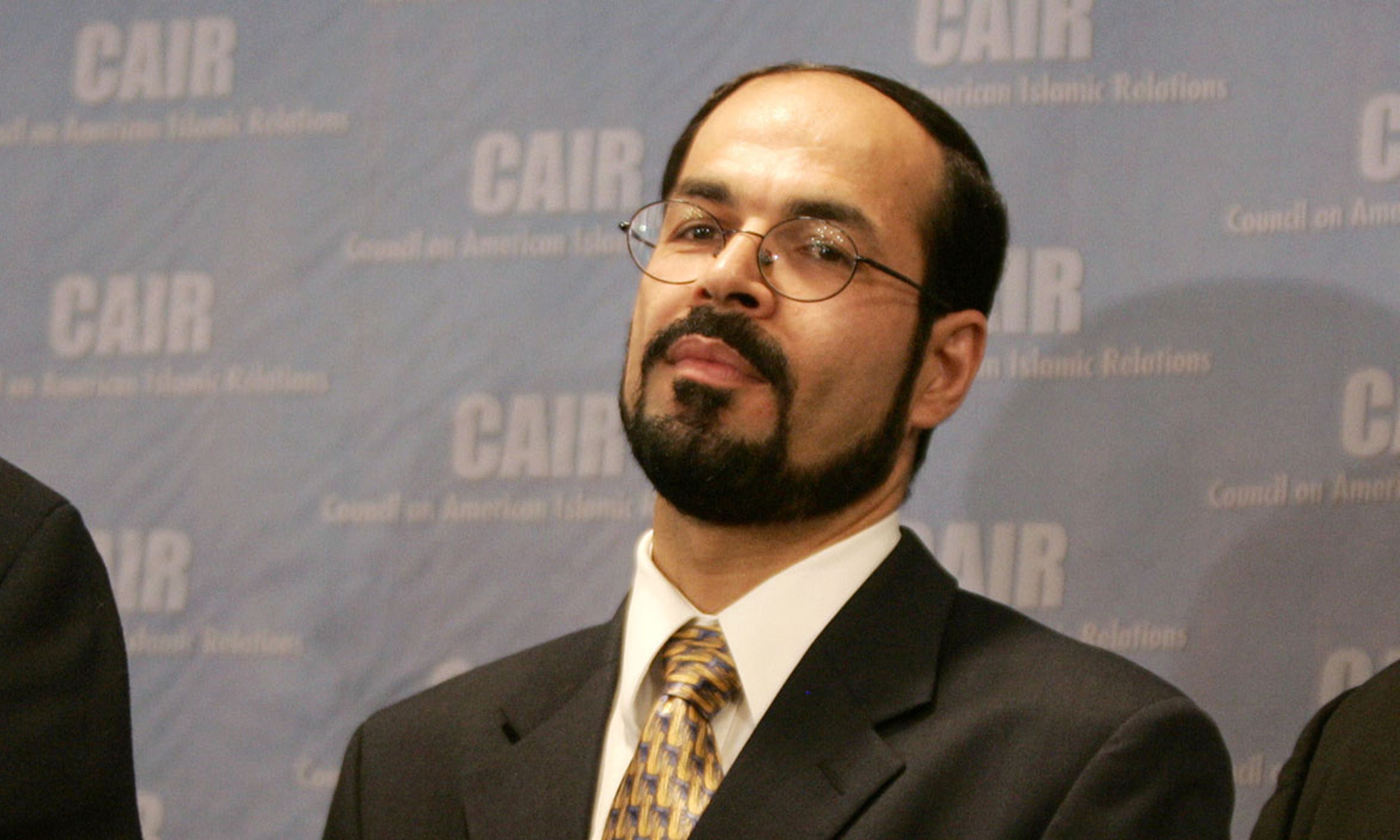
The Council on American–Islamic Relations (CAIR) has spent most of 2022 complaining about “Islamophobia” and clamoring for a government investigation into its critics. Perhaps this was all a diversion to distract attention from CAIR’s own roiling internal problems, which first came to light early last year.
Ever since January 2021, when Hasan Shibly, leader of CAIR’s Florida operations, resigned amid a scandal of spousal-abuse, polygamy, and sexual-harassment allegations, CAIR members and former members have been coming forward with accusations of gender bias and sexual harassment, and the group that bills itself as “a Muslim civil rights and advocacy organization” is beginning to look like just another hostile workplace where the men in charge bully and harass the women who work for them with impunity. (CAIR did not respond to repeated requests to comment on these allegations.)



Comments