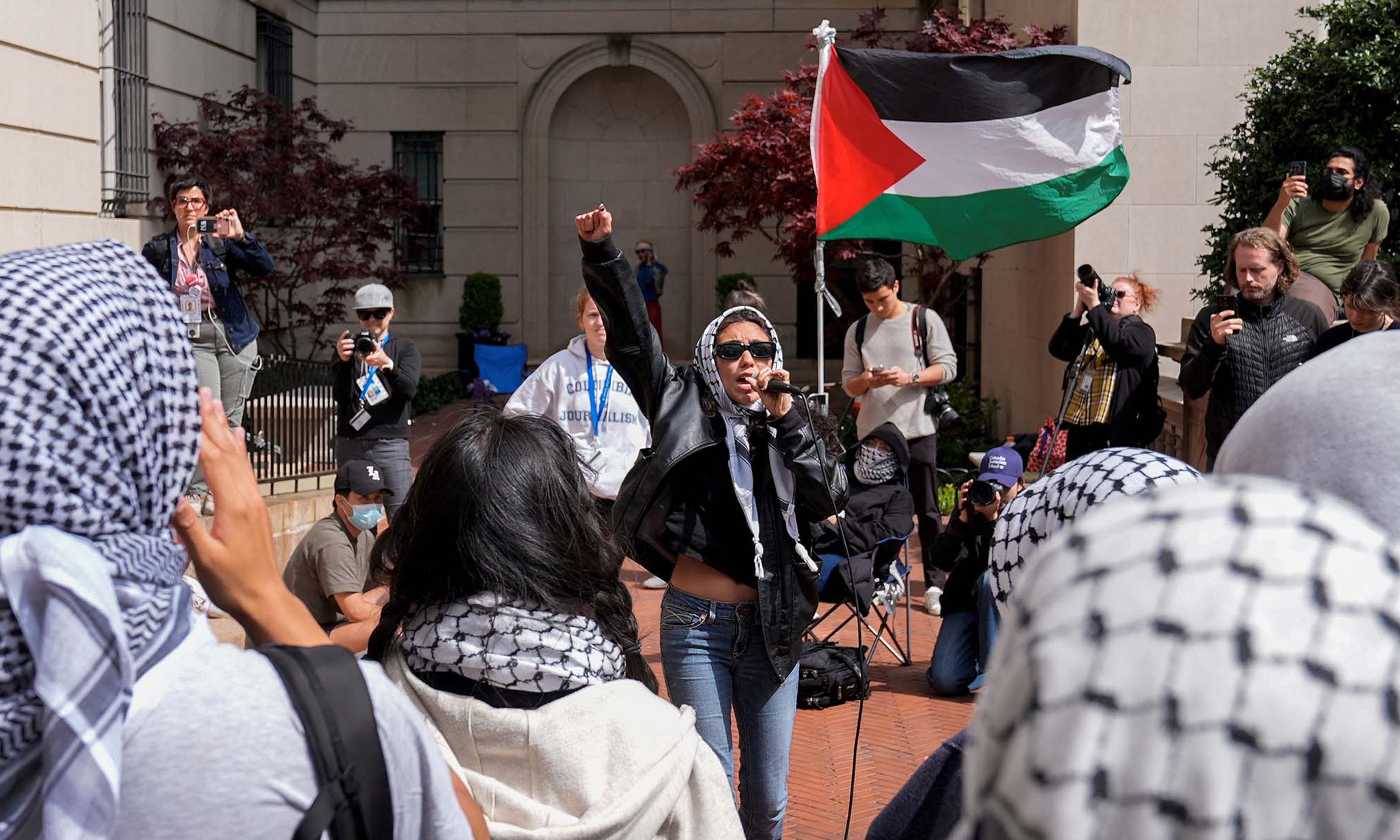
On April 27, more than 100 members of Princeton’s faculty published an open letter condemning the university’s decision to arrest and discipline two graduate students who defied police warnings and refused to dismantle their tents as part of Princeton’s “Gaza Solidarity Encampment.” In arresting and disciplining the protesters — who had violated Princeton’s long-standing rules prohibiting the erection of tents in outdoor campus spaces — the university had, according to the professors, undertaken a “repressive action” that constituted “a grave threat to freedom of speech, dissent, and assembly on the Princeton campus.” Characterizing the arrests and discipline — which have since been followed by eleven more arrests — as an “outrageous overreach,” the professors demanded the rescission of any criminal and disciplinary charges and called for the “immediate and full reinstatement” of the rule-breaking students, who were banned from campus shortly after their arrests.
The sentiment expressed by these Princeton faculty is not unique to them, as faculty elsewhere have voiced similar objections to the actions of their institutions. At public universities like Arizona State and Indiana University and private institutions like Northeastern University and Washington University in St. Louis, university leaders have disciplined students who violate protest rules and have called in police to make arrests. Predictably, many faculty, students, and other observers (nearly all of whom are ideologically aligned with the goals of the anti-Israel campus encampments across the nation) have decried such moves by universities as infringements on protesters’ rights to freedom of speech and protest.





Comments