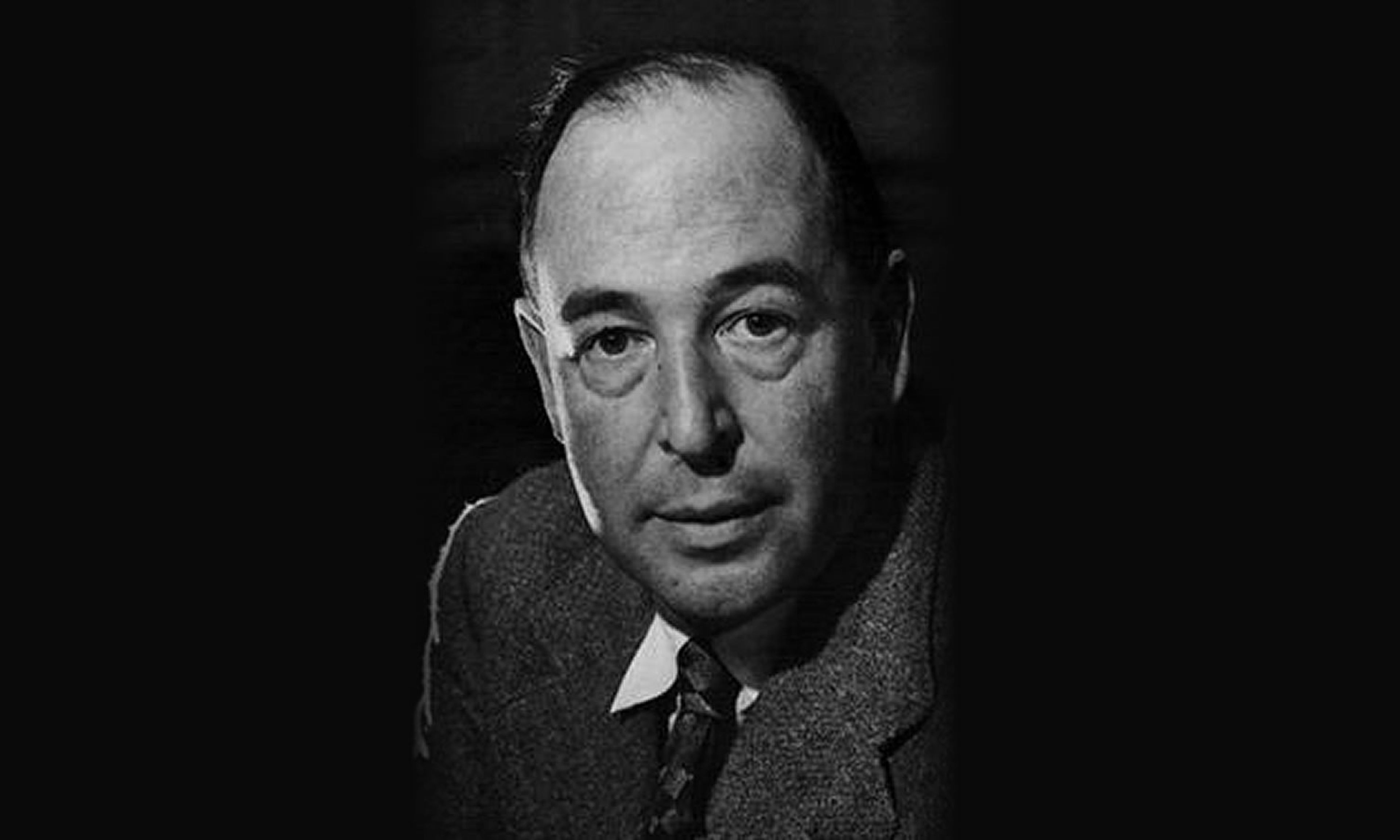
A couple of weeks ago, journalist Jonah Goldberg penned a column, “The Fierce Urgency of Tao,” for the Dispatch. We both loved it. Goldberg appealed to what we think is one of the most important books ever written, C. S. Lewis’s The Abolition of Man, published in 1943. There Lewis ably predicted what would happen as culture shed all vestiges of what he called “the Tao.” For Lewis, “the Tao” was an all-encompassing term for moral order and moral objectivity. It provides a moral standard outside of human assessment of what is right or wrong. Moral “goodness” is not merely subjective. Goodness responds to a state of affairs as the Tao orders it. It was not an exclusively Christian term in Lewis’s usage, but it was certainly complementary to Christianity. According to the Tao, reality consists either of a recognizably imposed order that one conforms to or of the exercise of power by a person aiming to impose some order. Either way, some sort of order will assert itself.
In rejecting the Tao or supposing its absence, counterfeit Taos emerge in its place. Except counterfeit Taos are false, parasitic, and subversive while disguising themselves as all-encompassing. Think of how critical theory, with its focus on intersectionality mediated through identity, grievance, and power, exhibits all the facets of a totalizing worldview. This is because, as Lewis brilliantly foresaw, moral reality reduces to a contest between those who affirm some concept of the Tao and those who see morality as an expression of emotion, will, or power. One of the more chilling moments in the early stages of Jordan Peterson’s public career features a young woman aggressively warning the professor that he is going to be left behind because of his insistence on not having reality dictated to him. The cultural revolution and its various predecessors and successors operate on the principle that enemies can be named, shamed, and overpowered. What is right is less important than what can be achieved by a determined group.



Comments