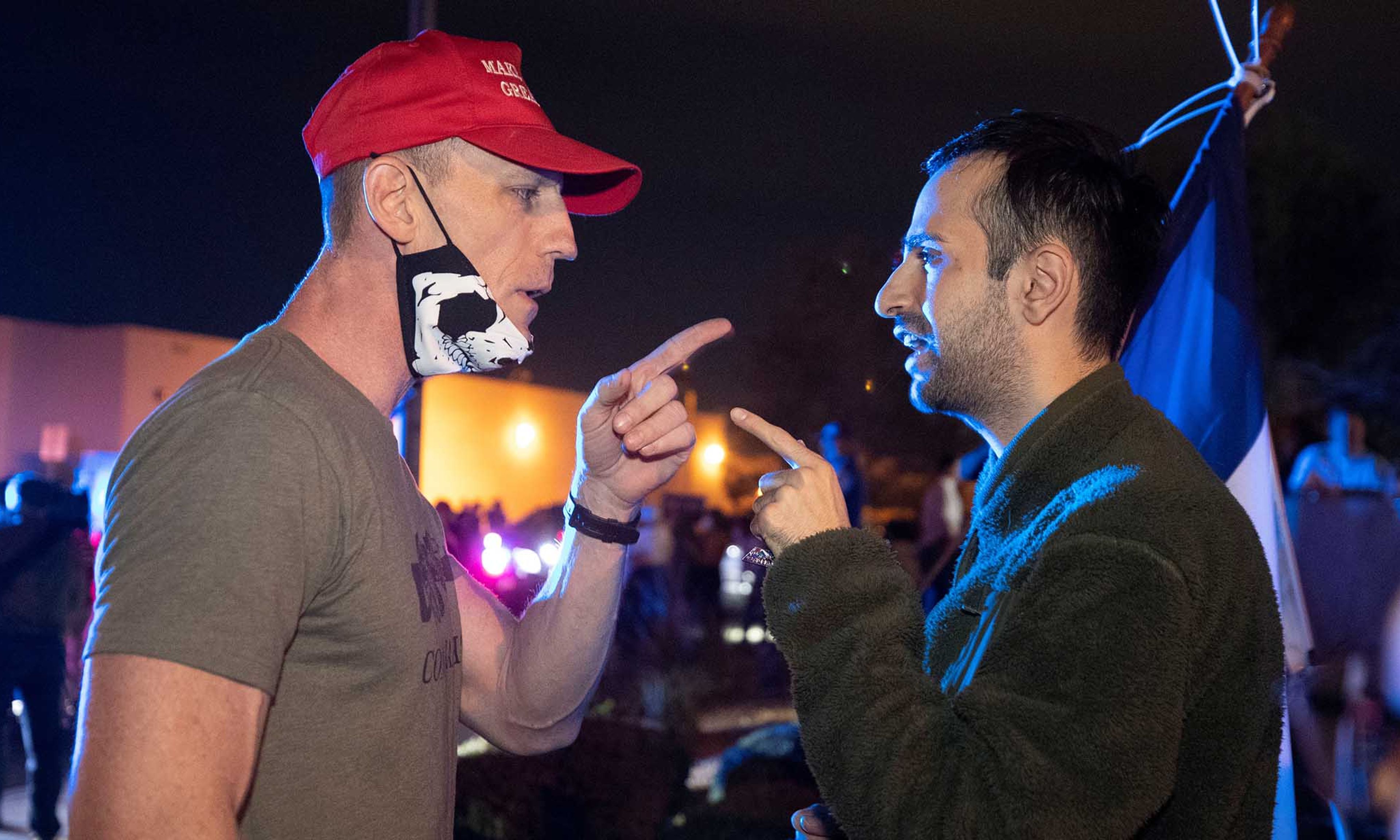
Questions about open discourse, the silencing of ideas and dissent, and the phenomenon of cancel culture are now part of the political zeitgeist and have become regular electoral talking points as we head into the 2022 elections. While these vile and dangerous tendencies once appeared primarily at our nation’s colleges and universities, they have now infiltrated the nation’s politics and daily practices and affect many industries ranging from the arts and mass media to the banking and medical communities.
What’s critical to recognize now is that most Americans are not practicing these silence-and-shame techniques. They predominate mainly on the extreme left — a fairly small minority of Americans who have had an oversize influence in recent years. New survey data collected in the fall by the Jewish Institute for Liberal Values (JILV) of 1,600 likely voters reveal that leftists are far more likely than others to end a relationship and cancel people based on politics. However, Americans on both the left and right self-censor and limit their thoughts and expressions at fairly equal rates.
Comments