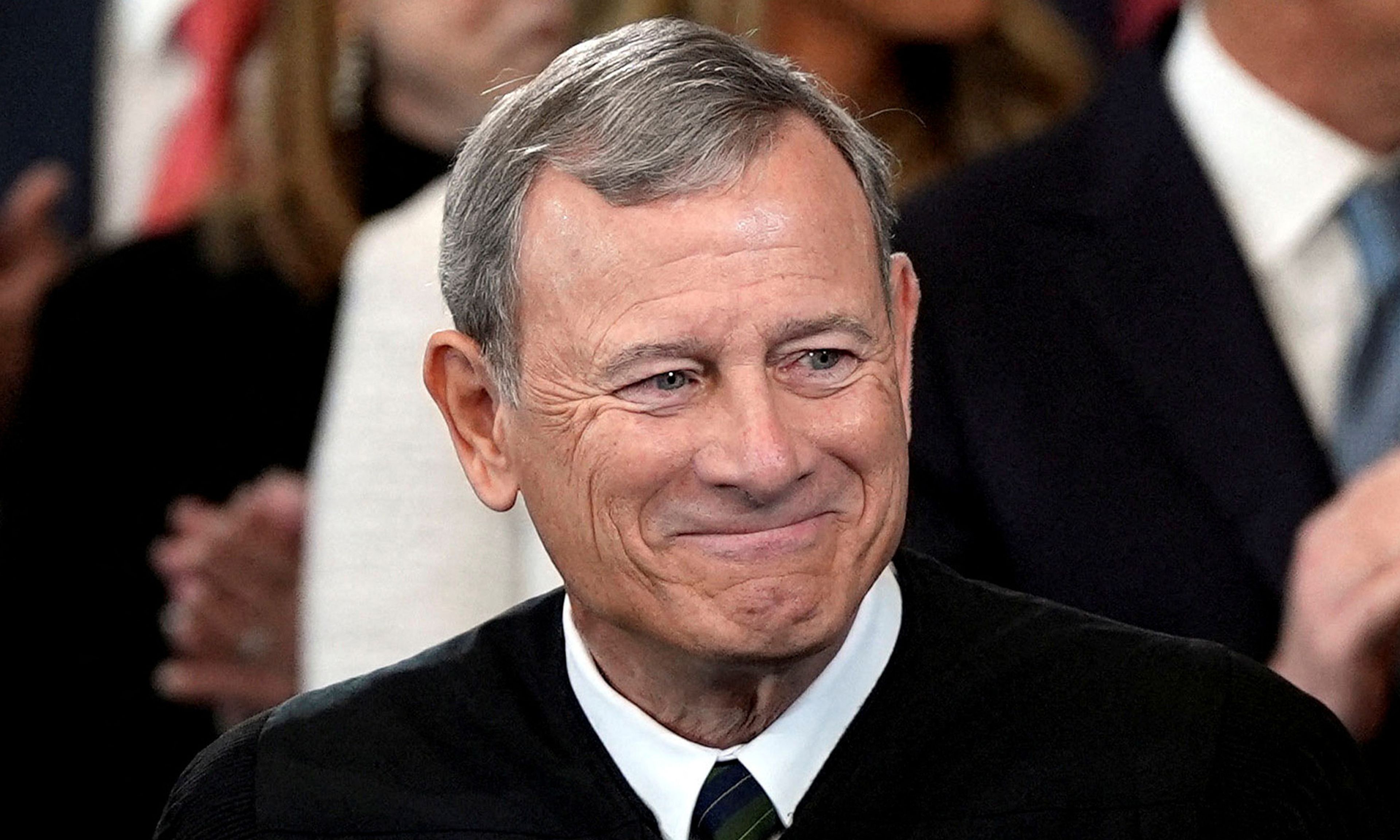
My initial column offered an overview of today’s two big executive removal power cases, Trump v. Slaughter and Trump v. Cook. Let’s continue with a closer look at Cook.
Chief Justice John Roberts is famously a stickler for process in political decision-making, frequently upholding executive and legislative actions that have been thoroughly considered (however unwisely), and often voting to send the political branches back to the drawing board if he is not convinced that they have done their homework. That often mixes poorly with Trump’s style of governing, and it did so here. But the much more controversial part of Cook is the chief justice’s decision to place the Federal Reserve outside of the system of popular accountability that the Constitution prescribes for everyone in the federal government outside of the judiciary. Thus, Congress can protect the Fed, and perhaps only the Fed, from having its leadership sacked by the president in order to allow the president to implement his vision of how executive powers should be carried out.





Comments