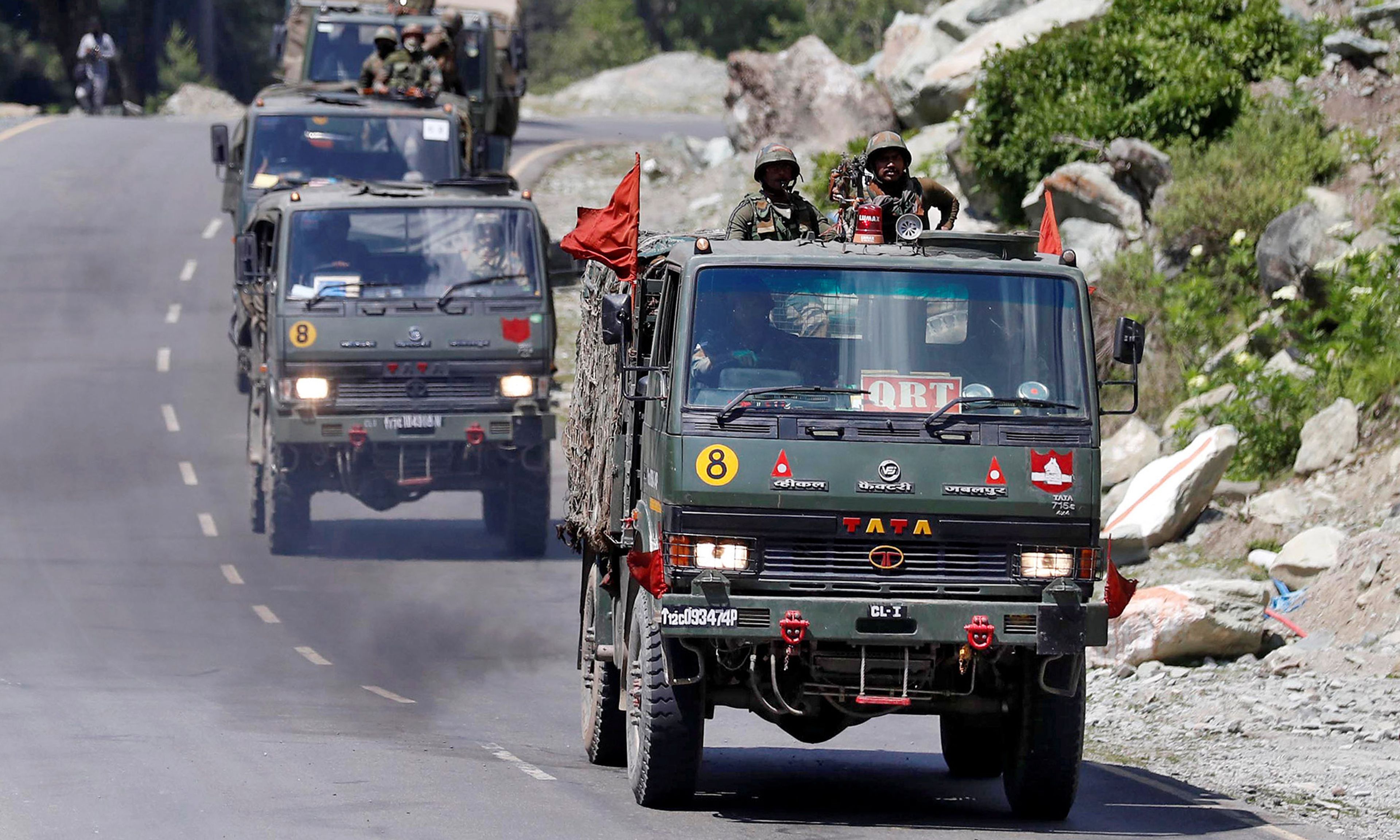
When the world diverted attention elsewhere, China and India, two of the world’s most populous nations with nuclear weapons, engaged in their most contentious border dispute in five decades. Armies from both nations faced off in the Eastern Ladakh’s Galwan Valley region. India claimed that during this dispute, at least 20 of its soldiers were killed and more were wounded. It also revealed that China suffered 35 to 40 casualties, though Beijing refused to confirm it.
The two Asian neighbors share a lengthy border of more than 2,000 miles. Historically, they’ve had multiple border disputes. A border war took place in 1962, after China built a highway through the Aksai Chin region in order to directly connect its two western regions: Xinjiang and Tibet. China claimed it won the 1962 war, but India said the war resulted in a stalemate that left many border issues unresolved.





Comments