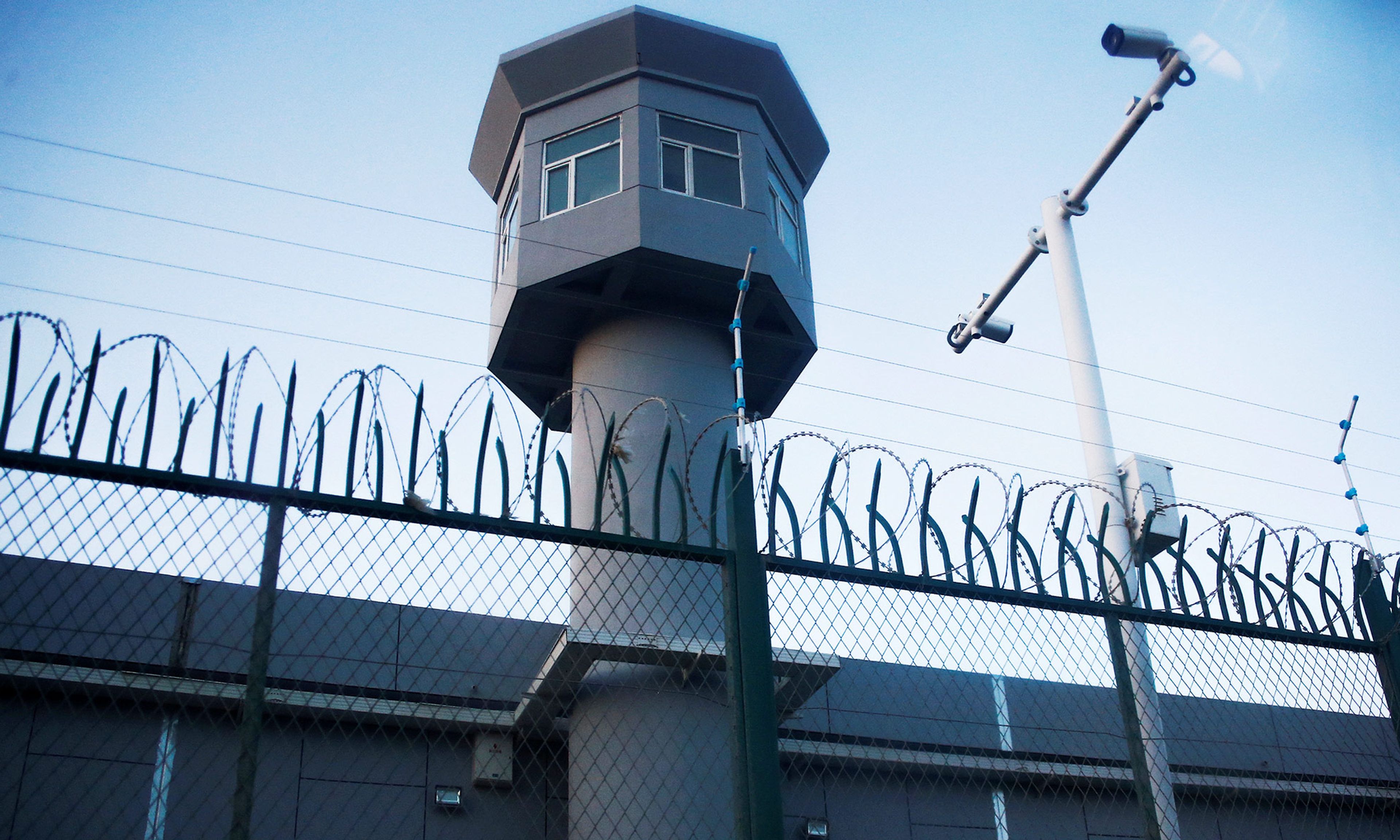
There was something sickening for viewers who saw the Chinese ambassador to the United Kingdom being interviewed on one of that nation’s Sunday-morning political-chat shows. The United Kingdom has made moves, as other European countries have, to build a 5G cellular network without the help of the Chinese state-backed company Huawei. The host, Andrew Marr, showed a video, taken by drone, of hundreds of blindfolded and manacled prisoners, presumably ethnic Uighurs, lined up before train cars in Xinjiang Province. No educated viewer could look at this footage and not think of the clattering train cars of WWII, loaded in Germany, Romania, and Hungary, feeding into the death camps.
Asked about the images he was being shown, the Chinese ambassador practically shrugged, noting that he did not know what was being depicted or where the video came from. And, he added, states have to transfer prisoners, don’t they?




Comments