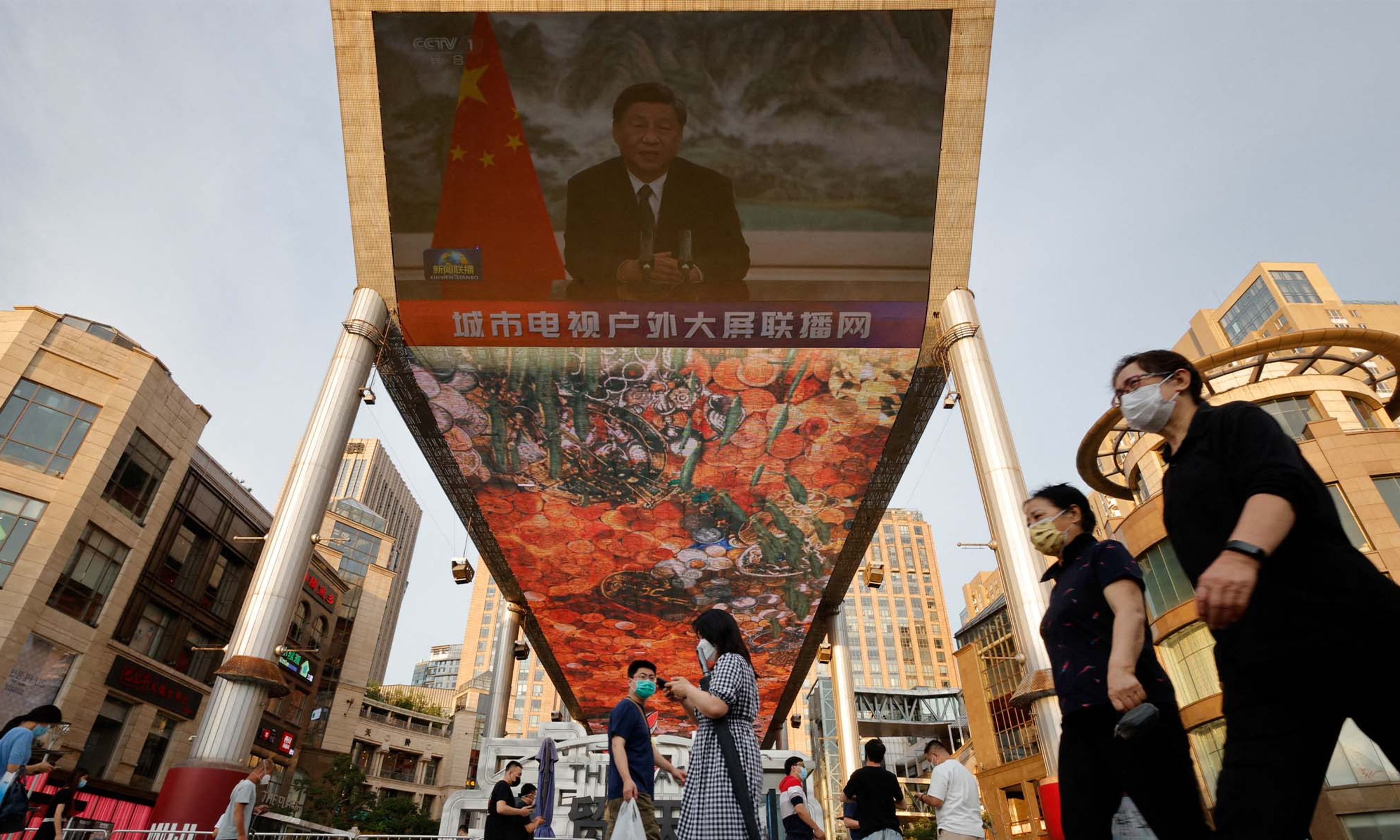
President Biden’s decision to shoot down a Chinese spy aircraft that had transited U.S. airspace exemplifies the near-term challenges the U.S. faces with the People’s Republic of China. Mike Gallagher (R., Wis.), the chairman of the new House Select Committee on China — the formal name is “Select Committee on the Strategic Competition between the United States and the Chinese Communist Party” — recently told Fox News that he views the threat from China in “three dimensions”: military, economic, and ideological. Given the focus on “strategic competition,” it seems likely the committee will prioritize such matters as trade, technology gaps, human rights, the military balance, the defense of Taiwan, and the like. Recent comments from House Foreign Affairs Committee chairman Mike McCaul (R., Texas) that the odds are “very high” of military conflict within two years further suggest the new Congress’s seriousness of intent. It is important for Congress to focus on China’s military capabilities, including asymmetric challenges such as spy balloons and cyber. Whatever actual threat the PRC may pose, our strategy should be capabilities-based.
Despite the near-term focus, though, hopefully the members will commit serious time to the real long-term problem posed by the PRC. It will require American leadership. Simply put, it is not China’s possible near-term aggression that threatens global stability but China’s impending long-term decline relative to the rest of the world as other countries grow, develop, and prosper and the PRC fades as a share of global growth. It is time to acknowledge this and start thinking about how the U.S. should best position for it. We’re still dealing today with the effects of the collapse of the Soviet Union, for which there was limited but inadequate planning and preparation by government leaders and strategists in advance. Given our leadership role in the world, we should prepare for the possibility — within a reasonable planning horizon — of the PRC’s implosion on multiple levels. Given China’s role in the global economy and its size, the consequences would likely be more difficult than what we faced at the end of the Cold War.




Comments