As the Winter Olympics come to a close, Americans may soon stop paying attention to the Chinese Communist Party and the threat it poses. But they shouldn’t. Instead, they should understand that the most pressing difficulty in countering China’s challenge is neither material nor psychological, but rather intellectual: Western policymakers do not grasp either the full scope of China’s intentions or the CCP’s holistic approach to international competition.
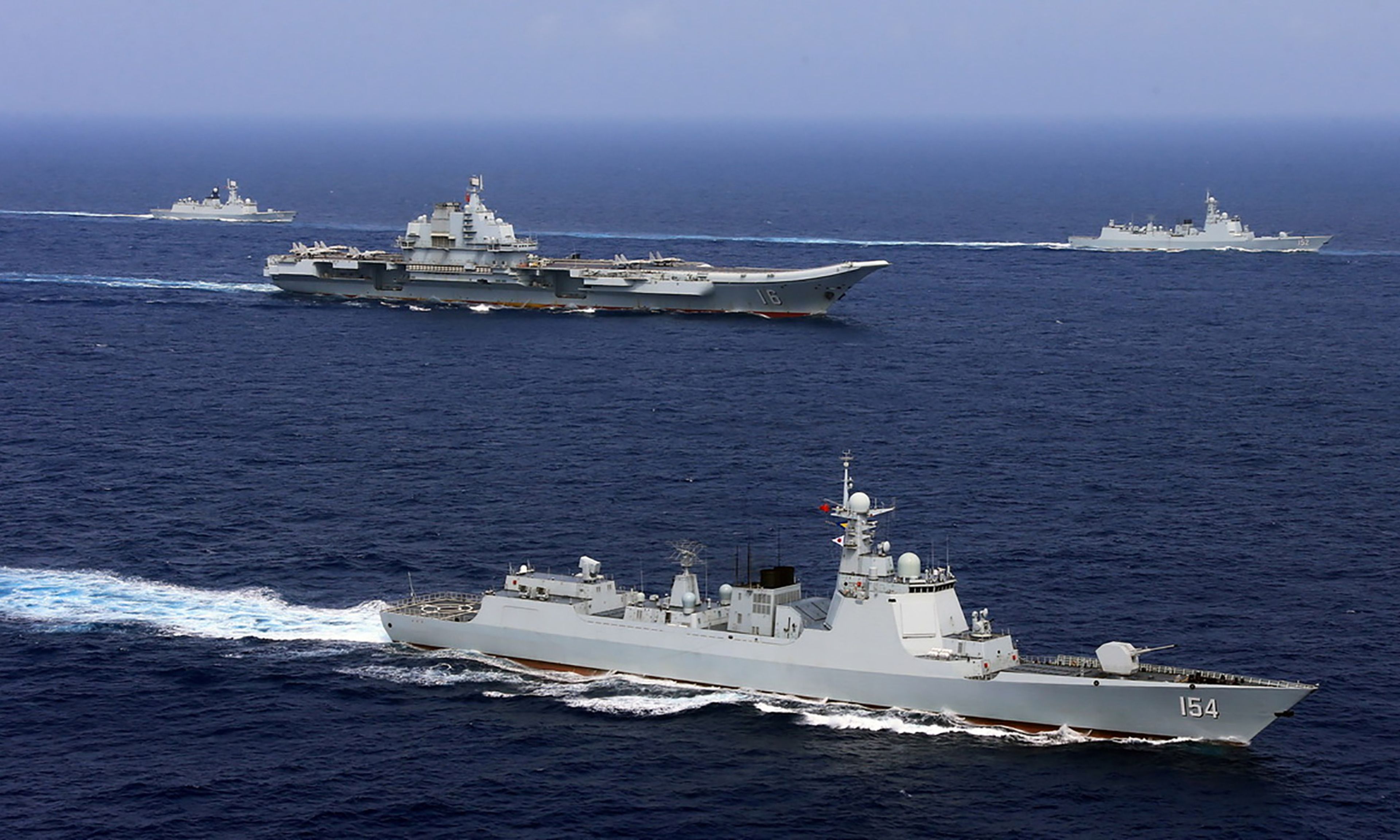
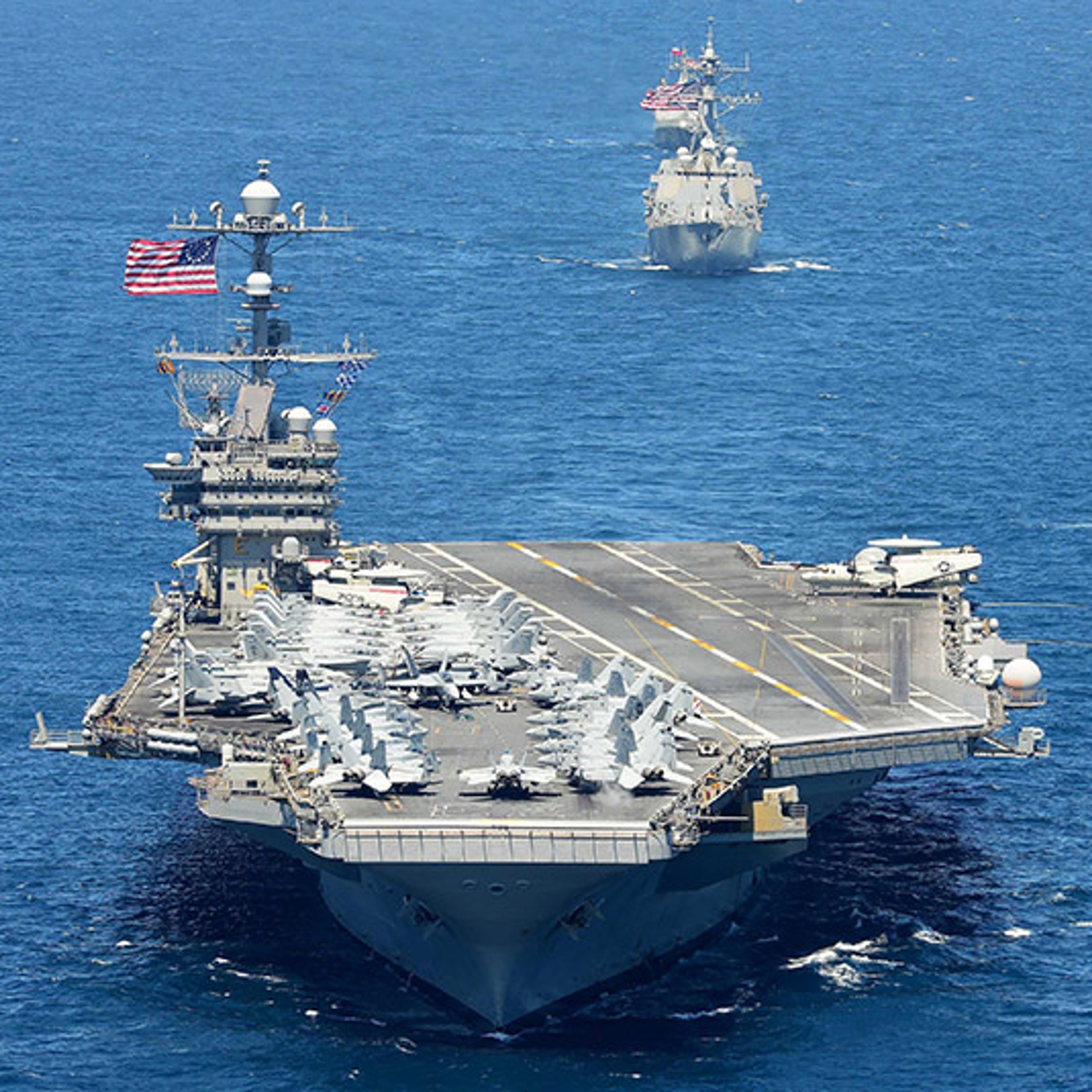
This holistic approach is particularly apparent in Chinese naval policy. Publicly speaking, China’s People’s Liberation Army (PLA) navy challenges the U.S. Navy in a conventional manner despite its reliance on land-based missile and aviation support, while Chinese hybrid forces shape the combat environment pre-conflict. But the CCP’s international-port development demonstrates the sophistication of the Chinese strategy: By purchasing global maritime infrastructure, Beijing hopes to turn the U.S.’s preferred weapon, a long-term blockade, against it.




Comments