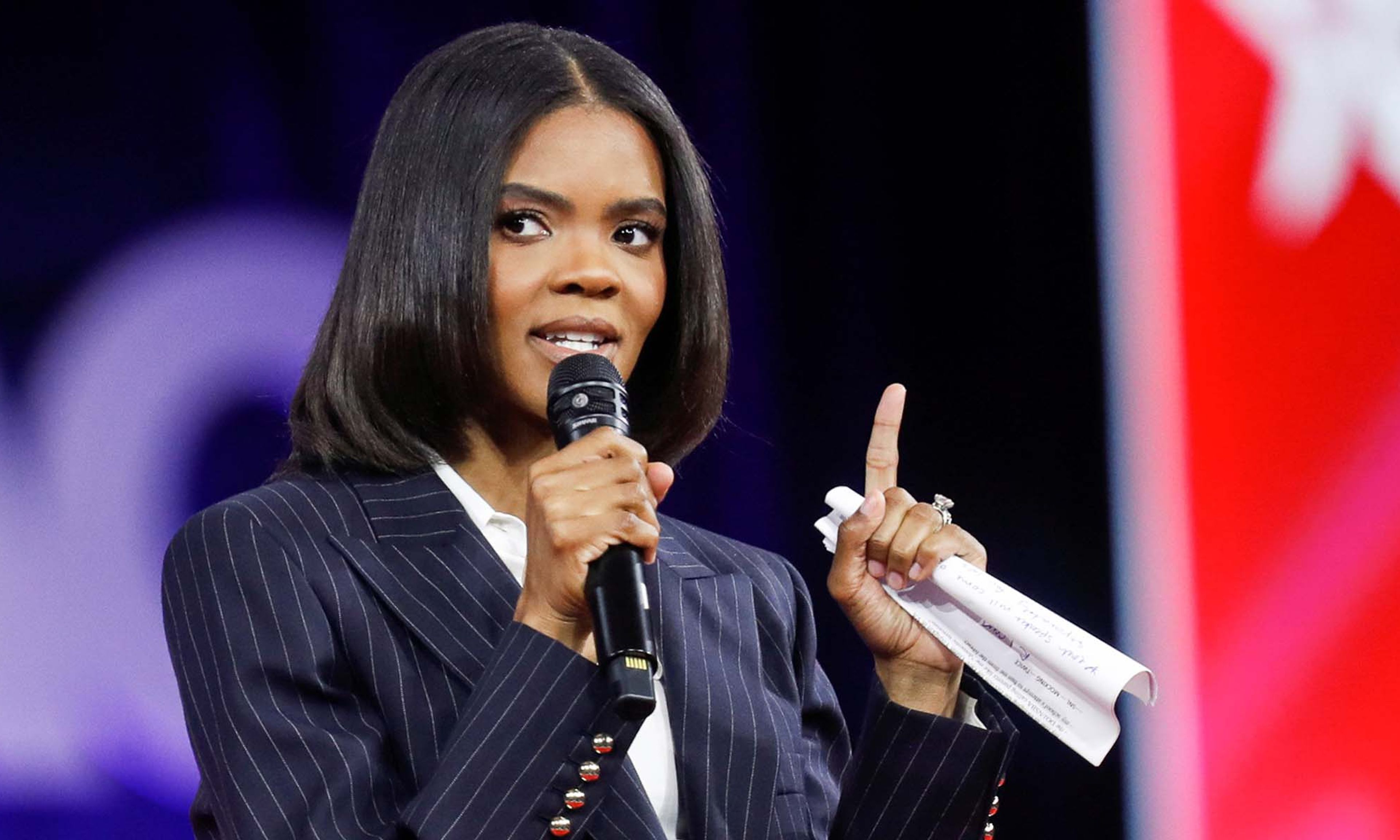
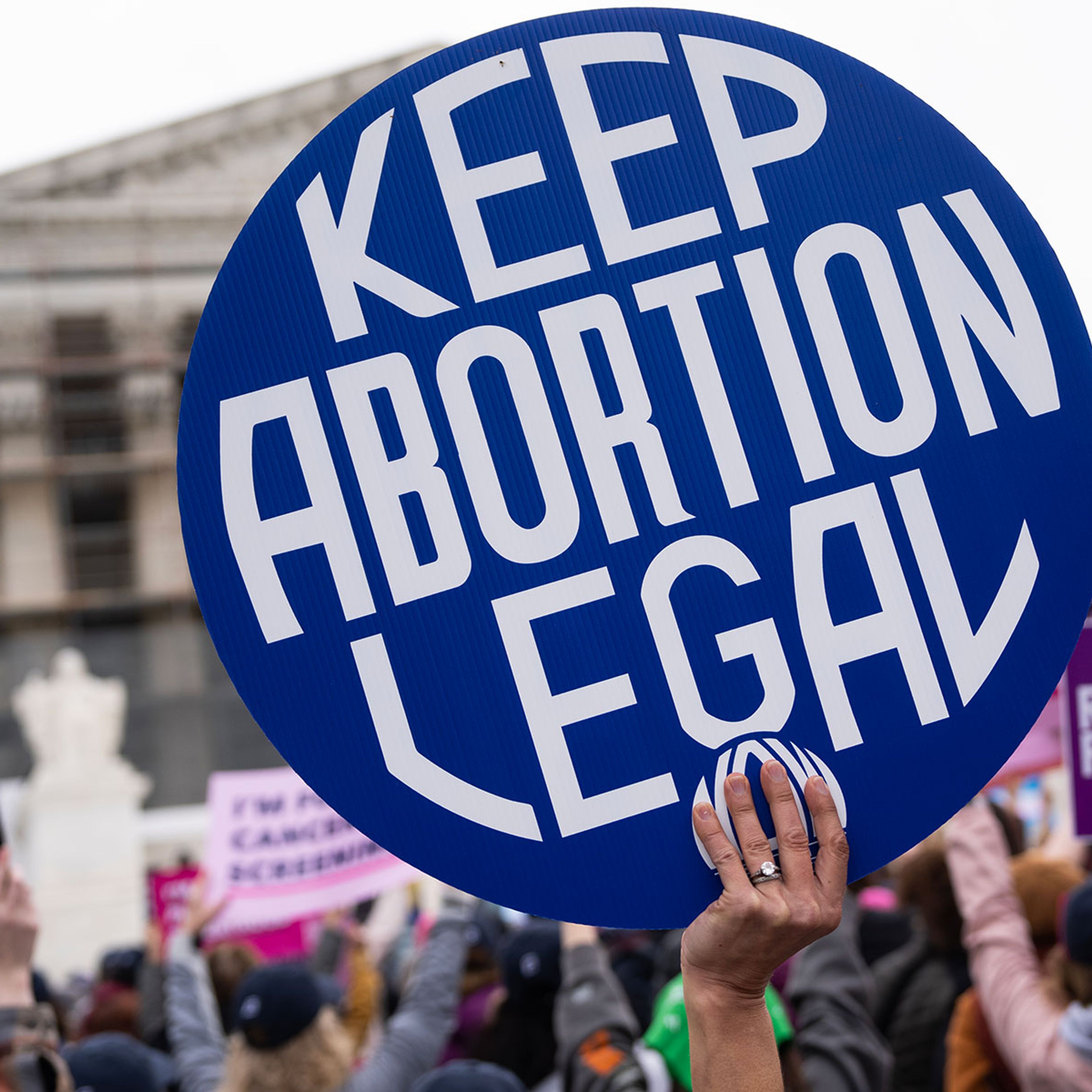
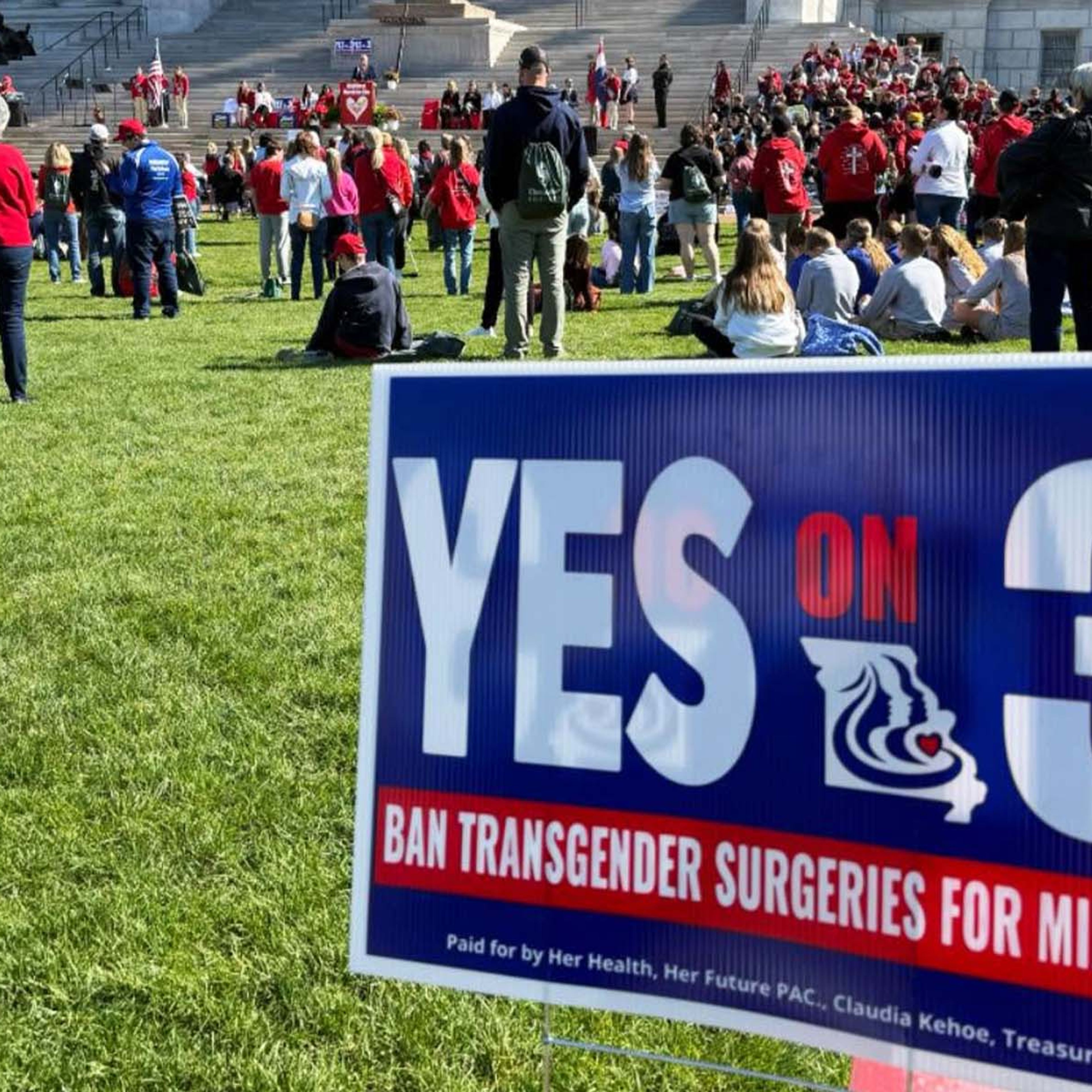
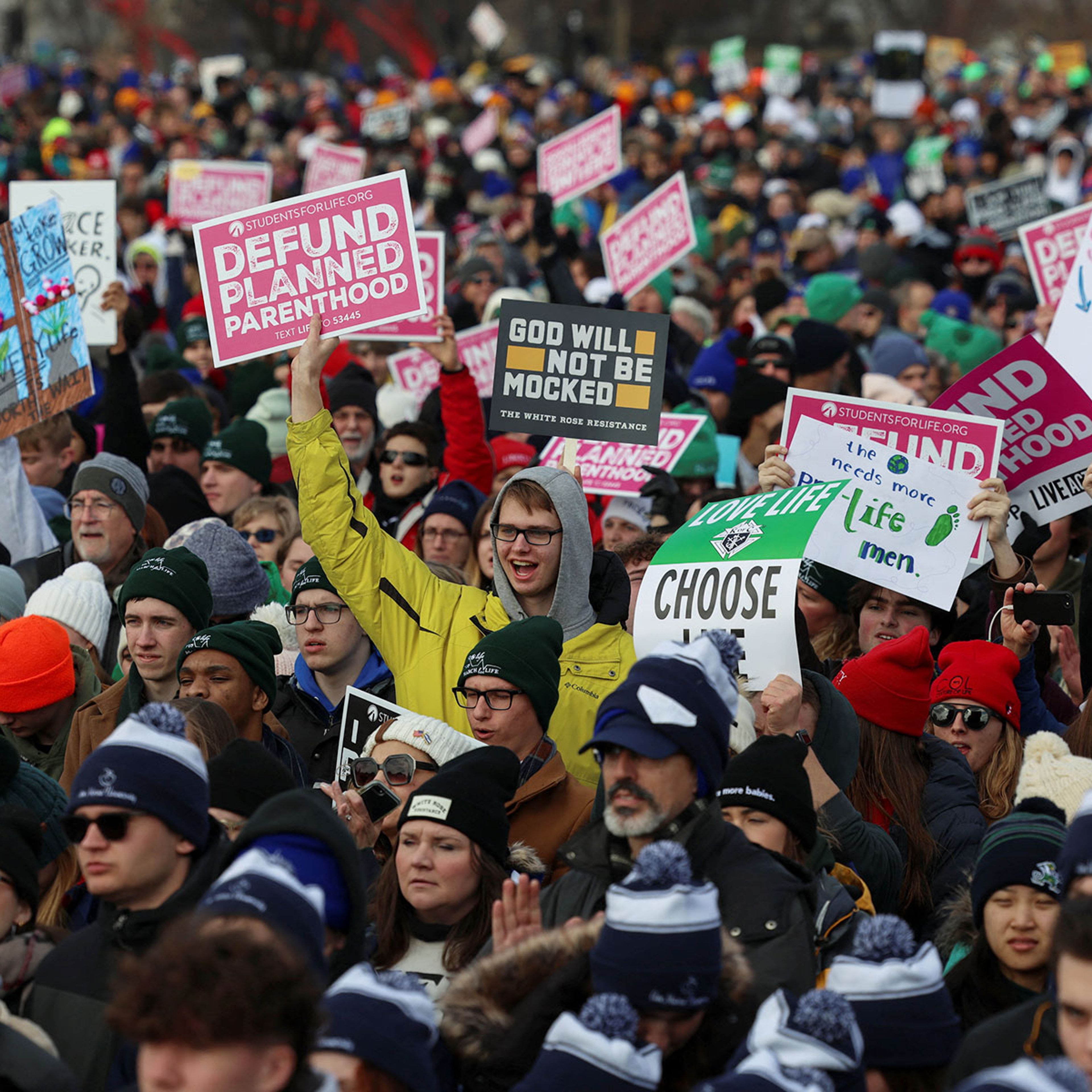
In a media ecosystem with no use for religion as anything but a bogeyman, countless words and warnings have been devoted to the rising — and amorphous — specter of Christian nationalism. The efforts of pro-lifers, concern over minors undergoing gender-transition treatment, and even support for school choice have been chalked up to this malignant and allegedly pervasive ideology.
MSNBC’s Stephanie Ruhle recently warned, before welcoming a panel for a particularly hysterical discussion of more than ten minutes, that Christian nationalists hope to “tear down the wall between church and state.” One of her guests fretted over Christian nationalism’s threat to freedom of religion. Another upped the ante, calling the “dangerous and malicious” movement a threat to democracy itself. And in one particularly egregious moment on MSNBC last month, a reporter insisted that the distinction between Christians and Christian nationalists was the belief of the latter that “our rights as Americans, as all human beings, don’t come from any earthly authority” but from God.

Comments