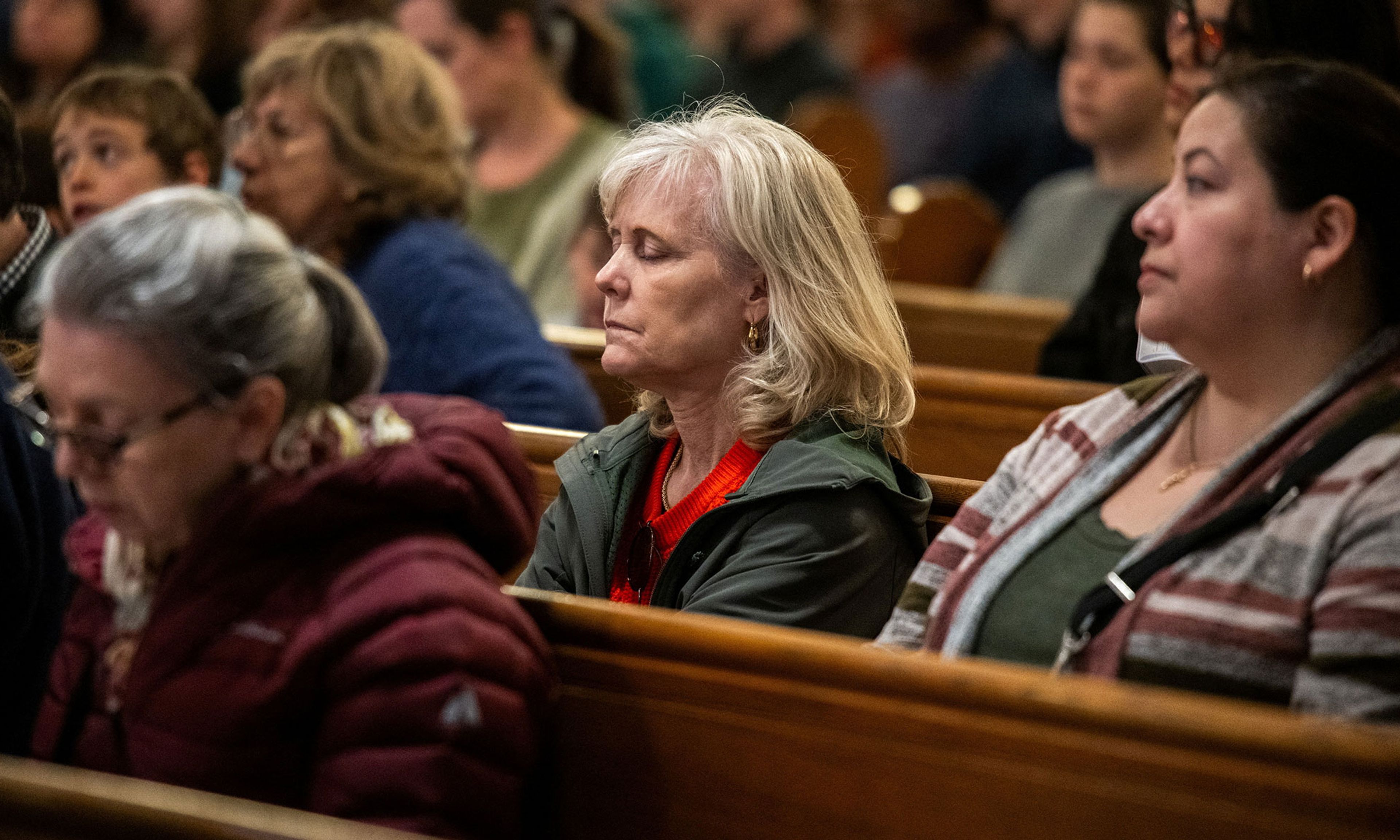
‘What is your number?” This is the question Catholic bishops are asking one another, according to Cardinal Robert McElroy, the archbishop of Washington, D.C. He was quoted in a New York Times piece that covered the mystery of the new — and young — Catholics. This Easter, he marked the addition of 1,755 new sheep to his flock, which is a greater increase than last year’s 1,566, “which had already been the highest number in at least 15 years,” according to the Times. Similar increases are being recorded throughout the country.
The paper of record is calling it a “surge,” a “jump,” and a “trend.” More than a flash in the pan, however, it’s a resurrection. For each individual who says yes to Jesus Christ — and to the way of holiness and radical love that He models in Scripture — enters a church founded by Christ, who offers Himself in the Eucharist. For those who believe, there is nothing comparable to or more powerful than the sacraments of the Catholic Church. And this will likely have a salvific effect on a culture. A baptism, a first communion, a confirmation — these are not mere milestones but miracles. The grace of God makes mercy, purity, peace, and the overcoming of suffering possible in gratuitously self-sacrificing ways, in imitation of the love Christ has for His people.



Comments