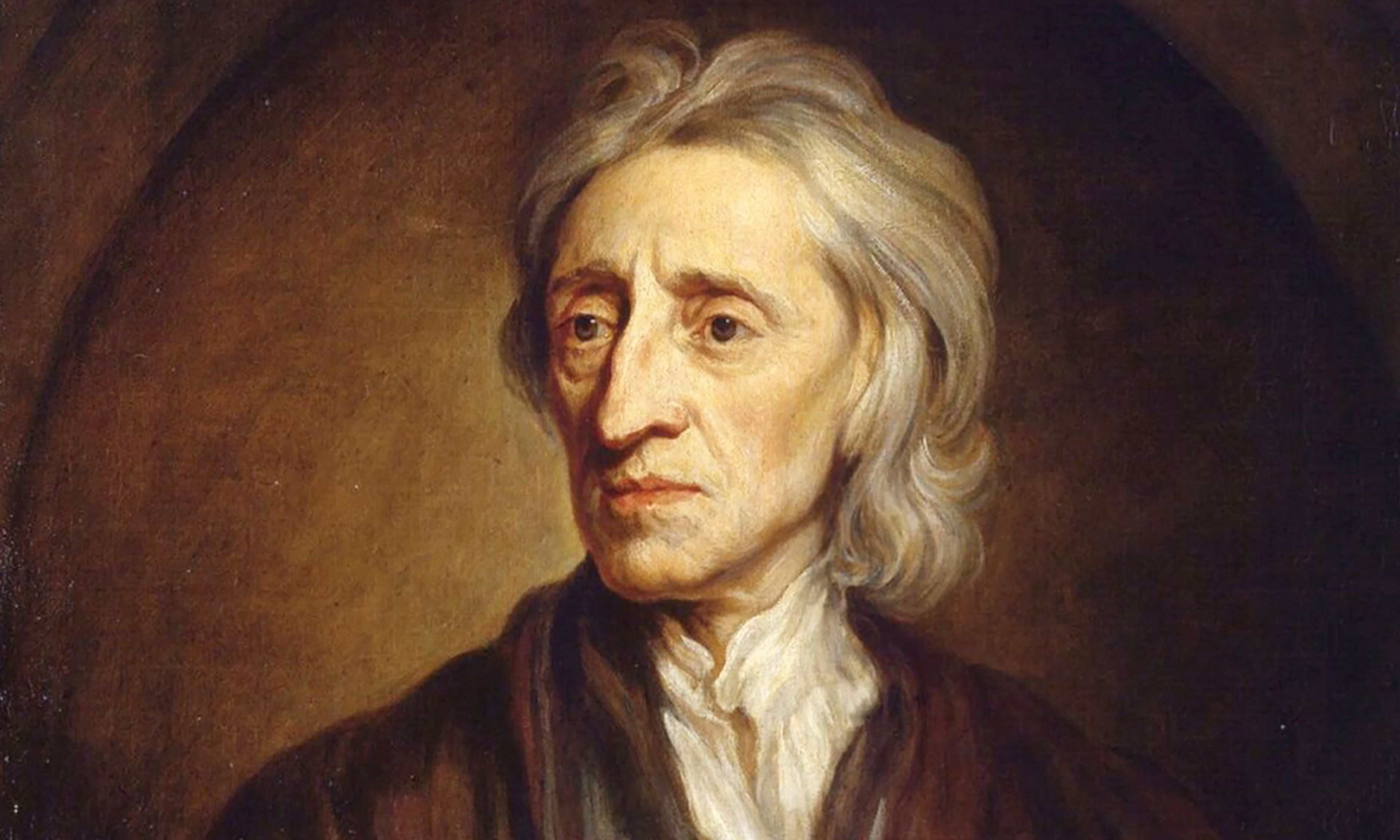
Over the past few years, a small but growing cadre of religious conservatives has decided that classical liberalism — grounded in a belief in the natural rights and freedoms of the individual — is a grotesque mistake. The coronavirus pandemic should prompt this crowd to do a little soul-searching.
Despite their differences, liberalism’s right-wing critics are united in their fierce antagonism to John Locke, whose doctrine of government-by-consent inspired the American Revolution and informed the Founding. According to Yoram Hazony, the Jewish philosopher and author of The Virtue of Nationalism, Locke’s account of human nature amounts to “a far-reaching depreciation of the most basic bonds that hold society together.” Similarly, Patrick Deneen, a Catholic political scientist and author of Why Liberalism Failed, denounces Locke’s theory of consent as “one of liberalism’s most damaging fictions,” a solvent of community, morality, and religious belief. Locke’s vision of human flourishing, they say, was really no different than that of Thomas Hobbes.





Comments