On November 4 — the day after the 2020 election — the United States will officially exit the Paris climate agreement, fulfilling the vow President Trump made in 2017 and finalized last year. If a new president replaces Trump in January, the Paris agreement’s advocates will urge that the country rejoin immediately. The international agreement, its advocates assert, gives humanity its best chance to limit global temperature rise to manageable levels. But their hopes rest on the dubious expectation that China will comply with the steep emissions reductions the agreement demands.
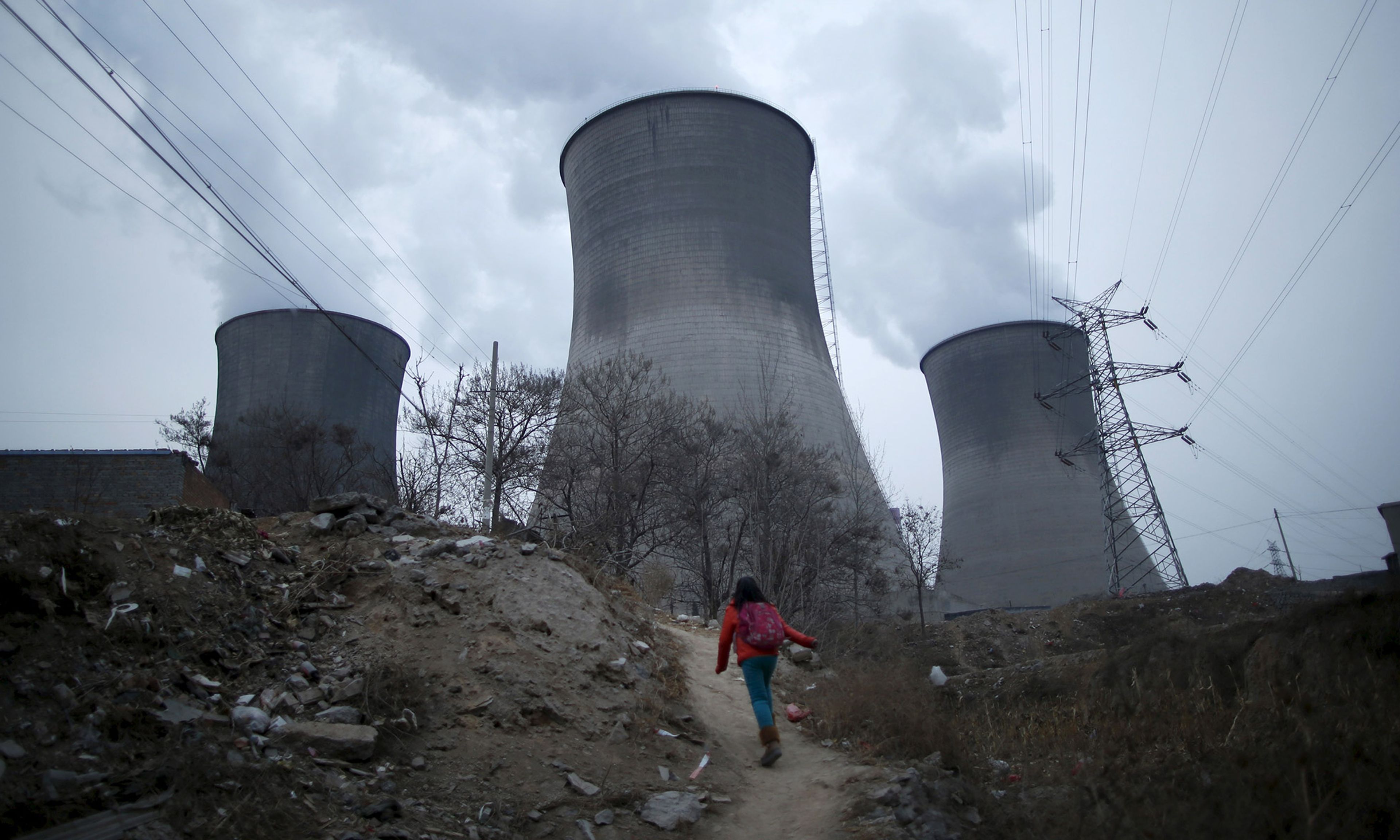
Though the Western world drove the hydrocarbon-fueled industrialization of the 19th and 20th centuries, with the United States at the forefront, it is now China that emits the world’s greatest volume of greenhouse gases. The U.S. emits 10 percent less than it did in 2005, but China has more than made up the difference, increasing its emissions from about 5 billion metric tons of CO2 in 2005 to more than 10 billion in the most recent statistical year. China now emits nearly twice as much as the U.S., generating 30 percent of the global total. Suffice it to say, the agreement’s success or failure hinges on whether China will sharply curtail its emitting behaviors.





Comments