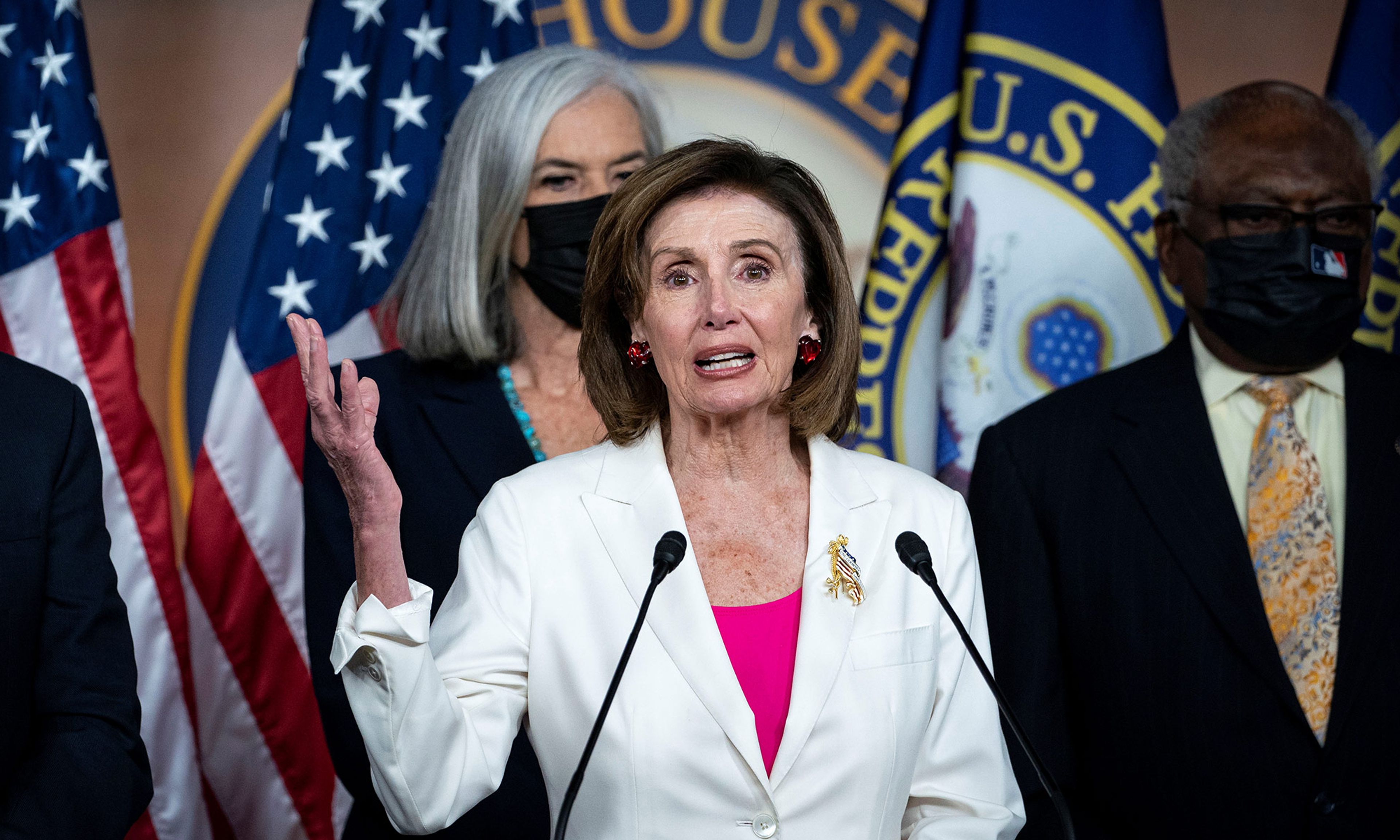
Republicans and conservatives have been celebrating the likely defeat of the Build Back Better (BBB) bill in the Senate, but that outcome — even if it occurs — may obscure the long-term significance of this episode.
Before 2021, few people who follow U.S. politics could have imagined that legislation as radical and transformative as the BBB bill might have passed the House and Senate when both were nearly evenly divided between Democrats and Republicans. Legislation like that has always come to a vote when one party had a massive majority in both houses of Congress, for the simple reason that both parties reflect the vast diversity of the country, and highly controversial or transformative legislation can be passed only when one party has won a landslide victory that it interprets as a mandate for substantial change. Even in that case, there are always representatives and senators who vote their districts and states rather than their party’s ideology.




Comments