
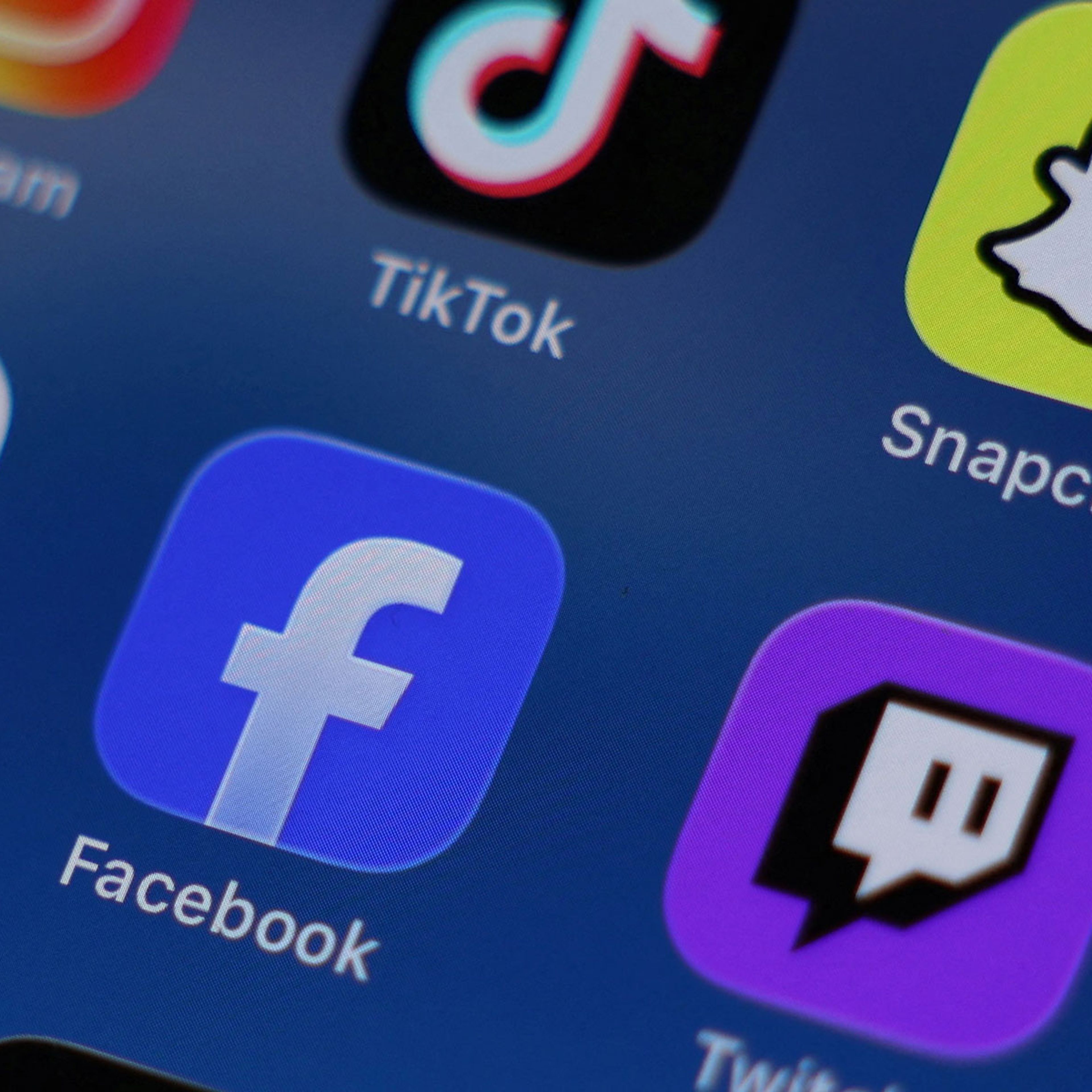
When teenagers log into their social media accounts every day, they enter a digital world that keeps Congress and parents awake at night. Across America’s kitchen tables and in Capitol Hill offices, a fierce debate has been raging for several years: How do we protect teenagers from the harmful effects of social media without cutting them off from the digital connections that shape their world and without empowering governments at the expense of parents?
For lawmakers in Congress and state capitols, it’s a high-stakes balancing act. On one side, parents share haunting stories of depression, anxiety, and eating disorders and blame them on social media’s algorithms and beauty filters. On the other, millions of teenagers find community, creative expression, and even mental health support through these same platforms. Add in thorny First Amendment questions about free speech in the digital age and you have a puzzle that nobody seems able to solve.




Comments