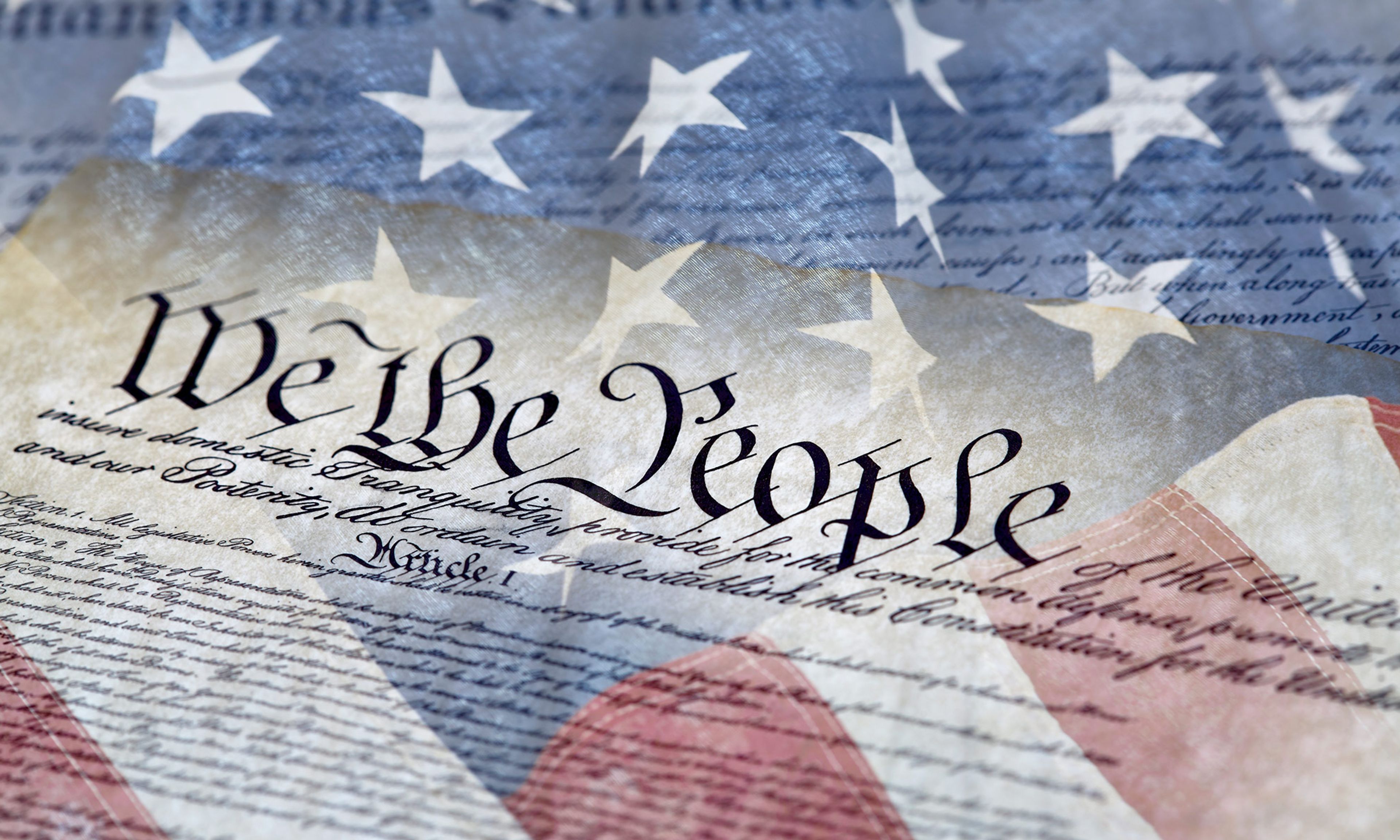
The politics of 21st-century America has overflowed with constitutional controversies. From debates about war and emergency powers to litigation over health care, marriage, religious liberty, immigration, and financial regulation to the impeachment of a president, we have frequently fought over how to put into effect the 230-year-old blueprint for our government.
These have been important and necessary arguments. But to consider them together is to see that our understanding of constitutionalism, across the political spectrum, has become too narrow. And that narrowness is not only a symptom but also a cause of the dysfunction of our politics.





Comments